
Tyres
Wheel Nut Torque: Why You Should Re-Check After New Tyres
Wheel nuts loosen most in the first miles after fitting. Here is why torque matters in both directions, and the check worth doing after any wheel comes off.
8 min read
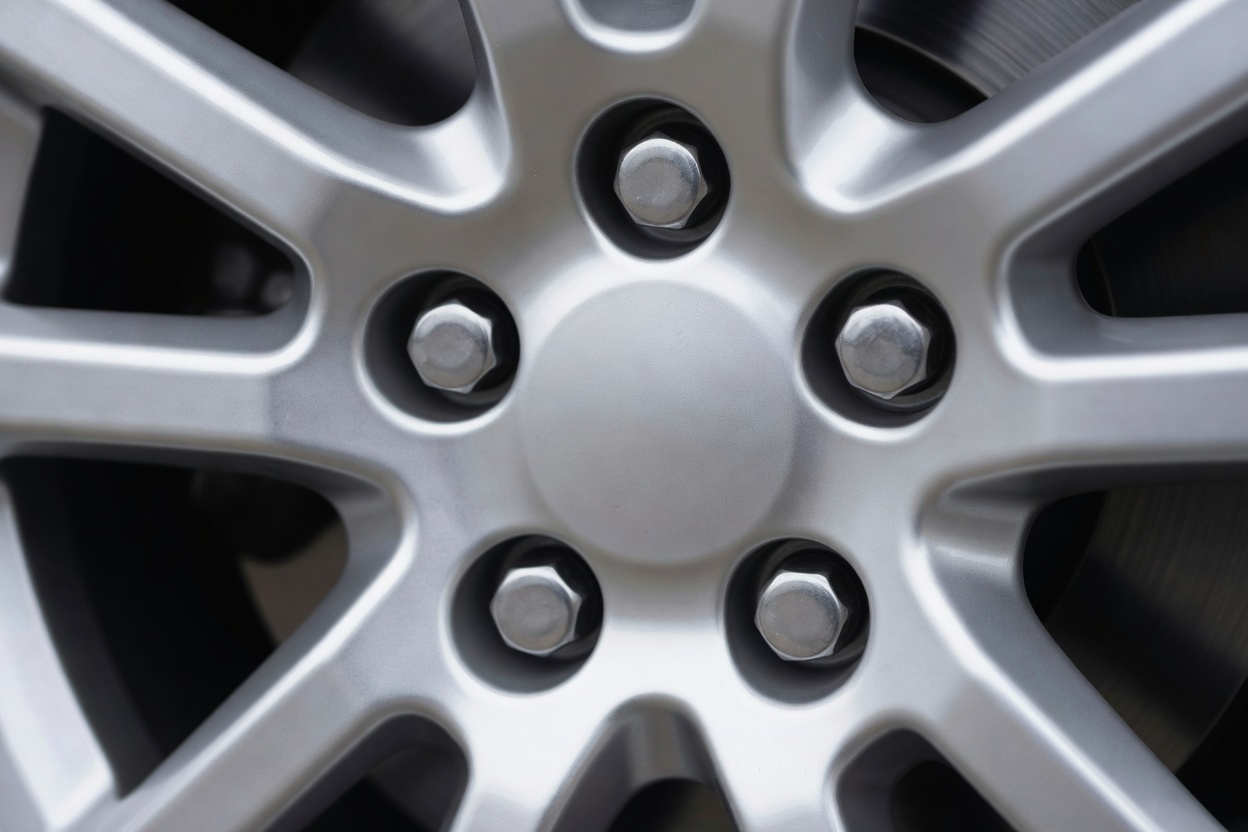
A wheel coming loose is rare and it is one of the worst things that can happen to a car in motion. It is also almost entirely preventable, and the prevention takes five minutes.
Wheel nut torque is one of those details that sits between the person who fitted your tyres and you, and the safest assumption is that it is partly your responsibility to verify.
Why nuts loosen after fitting
When a wheel is refitted, the mating surfaces between wheel and hub are not perfectly settled. Tiny high spots, a trace of corrosion or the paint on a new wheel all compress slightly under load in the first miles of driving.
As they settle, the clamping force falls. The nuts have not turned; the joint has simply become fractionally shorter, and the tension that was holding everything together has relaxed with it. That is why a re-check after a short distance is standard practice in the trade rather than a sign anything was done badly.
Heat cycling adds to it. Wheels and hubs get hot under braking and cool again, and that expansion and contraction encourages the same settling.
Over-tightening is not the safe option
Faced with a worry about looseness, the instinct is to do them up harder. That instinct causes its own failures.
A wheel stud or bolt is designed to be stretched to a specific tension, and the torque figure is how that is achieved. Beyond it the metal yields, and a stretched stud does not hold as well as a correct one even though it feels tighter going on. Repeated over-tightening leads to studs that snap, usually at the least convenient moment.
It also warps brake discs. Uneven or excessive clamping distorts the disc slightly, which shows up as a judder under braking that everyone blames on the discs themselves. That judder appearing shortly after new tyres is a well-worn pattern and the cause is usually an air gun rather than the brakes.
What good practice looks like
- Nuts tightened in a star or criss-cross pattern rather than around the circle, so the wheel is pulled on evenly.
- A torque wrench used for the final tightening, set to the figure for your car, rather than an air gun for the whole job.
- Threads and mating faces clean, and generally dry rather than greased unless the manufacturer says otherwise.
- The correct nuts for the wheels, since alloy and steel wheels often take different seat shapes.
- A locking wheel nut key that fits properly and is handed back to you.
An air gun to run the nuts down and a torque wrench to finish is perfectly normal and correct. An air gun alone, with a click of the trigger for each nut, is not, whatever it sounds like.
The check worth doing yourself
Ask whoever fitted the tyres what the torque figure is for your car and whether they recommend a re-check interval. Most will say something like fifty miles, and many will do it free.
- Drive normally for the recommended distance, or roughly fifty miles.
- Park on level ground with the handbrake on and the wheels cool.
- Set a torque wrench to the car's figure.
- Check each nut in a star pattern. Correctly torqued nuts will not move; a nut that turns has relaxed and is now correct.
- If a nut turns noticeably more than a fraction, mention it, and check the others on that wheel carefully.
If you do not own a torque wrench, a garage will do this in a few minutes. It is a small ask and a reasonable one.
Warning signs between checks
A wheel almost never comes off without warning. The signs are subtle but they are there.
- A rhythmic clicking or knocking at low speed that changes with wheel rotation.
- A vibration that appeared right after a wheel was off, rather than gradually.
- Any visible movement or gap at the wheel face, or rust streaks radiating from the nuts.
- A wheel trim that keeps working loose on one wheel only.
- A nut that looks like it sits differently to the others.
Any of those shortly after new tyres, a rotation or a puncture repair deserves stopping and looking rather than continuing to see if it settles.
Locking nuts and the practical annoyances
Locking wheel nuts are worth having and they cause a disproportionate share of roadside problems, almost always because the key is missing.
Keep it in the car, know where it is, and check it is returned every time a wheel comes off. Note the code stamped on it if there is one, because a replacement is far easier to obtain with the code than without.
Worn keys are the other issue: they round off over time, particularly if used with an air gun, and a rounded key on a flat tyre at night is a genuinely miserable situation. If yours is looking soft-edged, replace it before it becomes urgent.
The short version
Wheel nut torque matters in both directions, and the risk window is the first fifty miles after any wheel has been off.
One more situation worth naming: a wheel that has been off at the roadside, whether for a puncture or a spare, has almost certainly been tightened without a torque wrench. That is the right call in the moment, and it makes the follow-up check more important rather than less. Treat a roadside wheel change as something to have properly torqued at the first opportunity rather than as a job finished.
Ask for the figure, ask whether they re-check, and either do it yourself or have it done. It is the cheapest safety check on this entire site and it addresses a failure with no acceptable outcome.
Common questions
Why do wheel nuts loosen after new tyres?
The mating surfaces between wheel and hub settle in the first miles, compressing tiny high spots, corrosion or paint. The nuts have not turned but the joint has become fractionally shorter, so the clamping force relaxes. That is why a re-check is standard practice rather than a sign of poor work.
Is it safer to over-tighten wheel nuts?
No. Studs are designed to be stretched to a specific tension, and beyond it the metal yields, so an over-tightened stud holds worse despite feeling tighter. Over-tightening also warps brake discs, which shows as a judder under braking blamed on the discs.
When should I re-check wheel nut torque?
After roughly fifty miles, or whatever interval the fitter recommends. Check each nut in a star pattern with a torque wrench set to your car's figure, on cool wheels and level ground. Many fitters will do this free if you ask.
What are the signs of a loose wheel?
A rhythmic clicking or knocking at low speed that changes with wheel rotation, a vibration that appeared right after a wheel was off, rust streaks radiating from the nuts, or visible movement at the wheel face. Any of those means stop and look.
Does it matter which order the nuts are tightened?
Yes. A star or criss-cross pattern pulls the wheel onto the hub evenly, while going around the circle can seat it slightly skewed. The final tightening should be done with a torque wrench rather than an air gun.
Read more like this
Tyres
Can a Punctured Tyre Be Repaired, or Does It Need Replacing?
Can a punctured tyre be repaired? There are clear rules, and where the nail went decides it more than how big the hole is. Here is how to know before you call.
Tyres
The EU Tyre Label Explained: What A, B and C Actually Mean
The EU tyre label explained in plain English. What the fuel letter, the wet grip letter and the decibel figure are measuring, and which one to care about.
Tyres
How Long Do Tyres Last? Mileage, Age and What Shortens Both
How long do tyres last? Mileage varies enormously with driving and car, and age matters separately. Here is what decides it, and what you can change.
Need tyres or a service?
Search by registration or size, compare fitted prices from local specialists, and book with the price locked in.
Find tyres