
seasonal
How to Get Your Car Ready for Winter, Without Overdoing It
How to get your car ready for winter: the few checks that genuinely matter, in the order worth doing them, and the things people worry about that do not.
8 min read
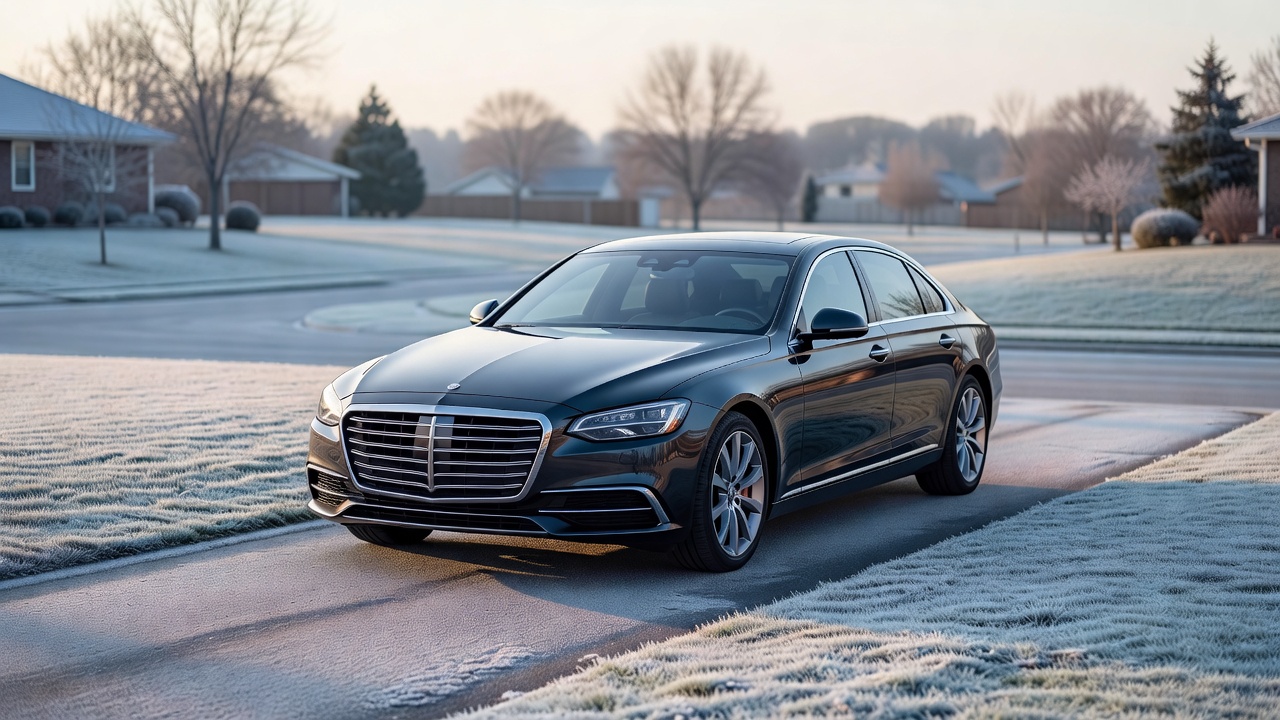
Winter does not break cars so much as expose the ones that were already marginal. The battery that was fine in October, the tyres that were legal but low, the wipers that smeared a bit.
Here is how to get your car ready for winter without turning it into a project. Five things genuinely matter, they take an afternoon between them, and most of them cost nothing at all.
Start with the battery, because it fails first
Cold works against a battery twice over: it thickens the oil the engine has to turn while reducing what the battery can deliver. A battery that has been quietly weakening all summer picks the first genuinely cold morning to give up.
Get it tested rather than guessing. Testing measures what it can actually deliver under load, which is not something you can judge from how the car started yesterday, and it is quick and often free.
The early warning worth knowing: slower cranking on the first start of the day, or start-stop quietly ceasing to engage on cars that have it.
Then the tyres, and not just the tread
Grip matters more in winter than at any other time, and three things affect it.
- Tread depth, checked across the width and around the tyre rather than at one spot. Wet grip and resistance to aquaplaning fall away well before the legal minimum.
- Pressures, which drop as temperatures fall. Cold air genuinely reduces pressure, so a tyre correct in September can be noticeably soft in December.
- Whether the compound suits the temperature. Summer tyres harden as it gets colder and lose grip before there is any ice involved, which is the argument for winter or all-season tyres in a cold climate rather than the argument about snow.
Where winter tyres are legally required, that requirement is usually tied to the snowflake marking on the sidewall rather than to the word winter in the name. Worth checking what applies where you drive, and where you might drive over the holidays.
Visibility, which is the cheapest safety you can buy
Winter is dark and dirty and the windscreen does more work than in any other season.
- Replace wipers that smear, judder or leave a band. They are inexpensive and they are the difference between seeing and guessing.
- Fill the washer bottle with a proper winter-strength screenwash. Water alone freezes in the jets and the bottle, and a frozen washer system in slush is genuinely dangerous.
- Check every bulb, including the ones you never see: rear fog, reversing, number plate.
- Clean the inside of the glass. Interior film is what makes low winter sun blinding.
- Keep a proper scraper in the car rather than relying on a card and optimism.
Also worth a habit: clear the whole windscreen and all the windows rather than a porthole, and clear the roof too so it does not slide onto the glass at the first stop.
Under the bonnet, briefly
Two fluids matter and neither takes long.
Coolant is antifreeze as well as coolant, and its protection weakens over years. If it has not been changed on schedule it may not protect to the temperature you assume. It is worth checking rather than trusting.
Oil matters because cold thickens it, and thick oil is harder to pump on start-up, which is when most engine wear happens. If your oil change is due, doing it before winter rather than after is the better order.
What to keep in the car
Not a survival kit. A short list that turns a bad evening into an inconvenient one.
- A scraper and de-icer.
- A warm layer and something waterproof, kept in the car rather than remembered.
- A torch, and a phone charger that works in the car.
- A small first aid kit and a high-visibility item.
- Something to grip with if you park where it gets icy, even a piece of old carpet.
If you drive somewhere genuinely remote or snowy, add water, something to eat and a folding shovel. For most people, most of the time, the shorter list is the honest one.
Two habits worth more than any of it
Things people worry about that matter less
Some winter advice has survived long past the cars it was written for, and following it costs time without buying much.
Idling to warm the engine before setting off is the main one. Modern engines warm faster under gentle load than sitting still, so driving away calmly is better for the car than five minutes on the drive, and it wastes noticeably less fuel. Clearing the glass properly is the reason to spend those minutes, not warming the engine.
Pouring warm water on a frozen windscreen is the other. The temperature difference can crack glass, and a small existing chip makes that far more likely. Use de-icer and a scraper, and start the demister early rather than trying to shortcut it.
Worth adding one that people underrate rather than overrate: washing the car in winter. Road salt is corrosive and it collects underneath where nobody looks, so an occasional wash that includes the underside does more for the car's long-term condition than most of the checks above.
First, keep the tank fuller than you would in summer. Condensation forms in a half-empty tank, and more usefully, a full tank is what makes an unexpected diversion or a long queue a non-event.
Second, give yourself the extra few minutes. Almost every winter incident that starts on a driveway starts with someone leaving at the normal time and driving off before the glass is clear.
None of this is dramatic. It is a battery test, a tyre check, a set of wipers and a bottle of screenwash, and it removes most of the ways winter ruins a week.
Common questions
How do I get my car ready for winter?
Test the battery, check tyre tread and pressures, replace tired wipers and fill with winter-strength screenwash, confirm the coolant still protects to a proper temperature, and keep a scraper and a warm layer in the car. That covers most of what winter actually exposes.
Do I need winter tyres?
It depends on your climate and local law. The case for them is not really about snow: summer compounds harden as temperatures drop and lose grip before ice is involved. Where they are legally required, the requirement usually refers to the snowflake marking on the sidewall.
Why does my battery die in winter?
Cold reduces what a battery can deliver at the same moment thicker oil makes the engine harder to turn. The ageing mostly happened over the summer; winter is simply when a weakened battery finally cannot do the job.
Does tyre pressure change in cold weather?
Yes. Air contracts as it cools, so pressures fall as temperatures do and a tyre set correctly in September can be noticeably soft by December. Check monthly through winter rather than seasonally.
Is it bad to run the tank low in winter?
It is worth avoiding. Condensation forms more readily in a half-empty tank, and more practically, a fuller tank is what turns an unexpected closure, diversion or long queue into an inconvenience rather than a problem.
Read more like this
seasonal
Driving in Snow and Ice: The Techniques That Actually Work
Driving in snow and ice is mostly about doing everything earlier and more gently. Here is what genuinely helps, and what four-wheel drive does not do.
seasonal
What Is Aquaplaning, and How Do You Avoid It?
What is aquaplaning, why it happens without warning, and the three things that decide whether it happens to you. Two of them are under your control.
seasonal
What to Do If You Break Down, in the Order That Keeps You Safe
What to do if you break down: the first thirty seconds matter most, and the instinct to stay in the car is right in some places and wrong in others.
Need tyres or a service?
Search by registration or size, compare fitted prices from local specialists, and book with the price locked in.
Find tyres