
Buying and selling
Buying From a Dealer or Privately: What You Gain and Give Up
Buying from a dealer or privately is a trade between price and protection. Here is what each side actually gets you, and when the cheaper route costs more.
8 min read
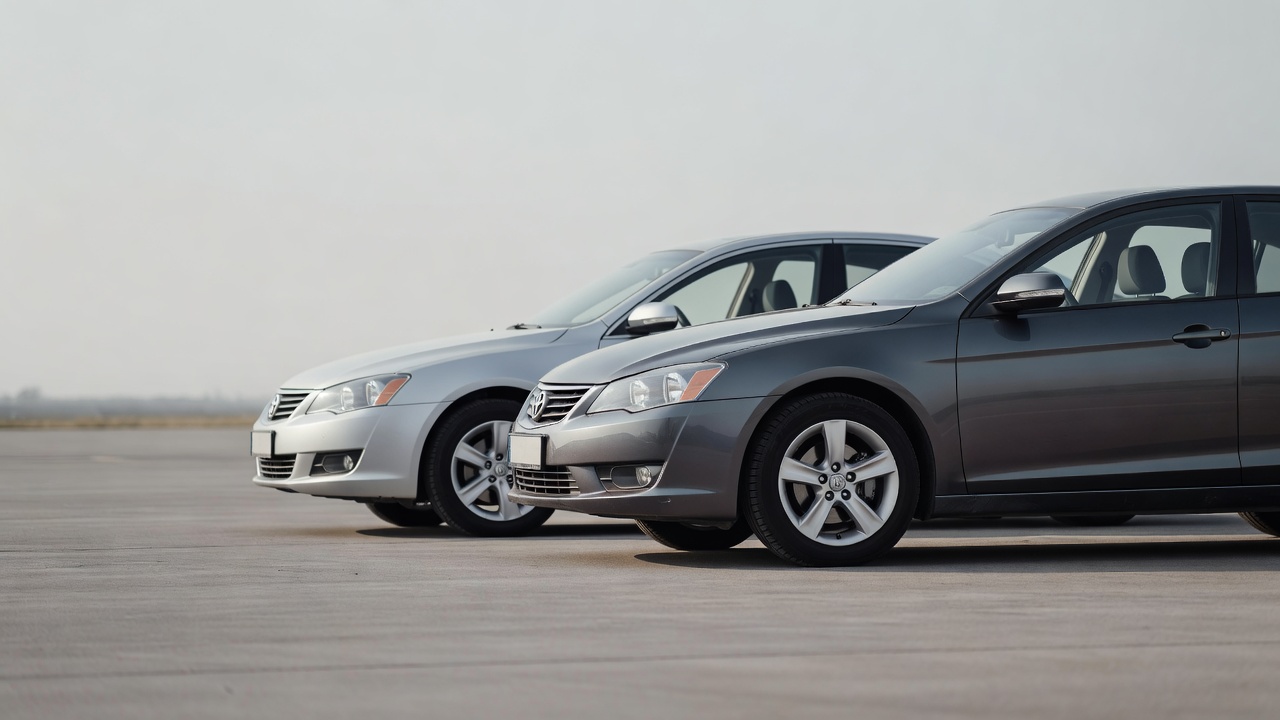
The same car is usually cheaper from a private seller than from a dealer, sometimes by a meaningful margin. The question is what that margin is buying, and whether you need it.
Buying from a dealer or privately is a trade rather than a right answer. It depends on the car, the price, and how much risk you can absorb if it goes wrong.
What a dealer price includes
Some of the difference is profit and some of it is genuinely goods and services you receive.
- Preparation. A reputable dealer will have serviced it, sorted the obvious faults and put a fresh inspection on it.
- Legal protection. In most jurisdictions a trade sale carries consumer rights that a private sale does not, which is the single biggest structural difference.
- Some form of warranty, which varies enormously in usefulness and is worth reading rather than assuming.
- Recourse. Somebody with premises and a reputation who is still there next month.
- Convenience: finance, part exchange, and paperwork handled.
The consumer rights point is the one that matters most and is least understood. A private seller is essentially selling as seen, and your remedy if something is wrong is narrow. That is not a criticism of private sellers; it is simply the legal shape of the transaction.
What you give up buying privately
Mostly recourse, and it is worth being clear-eyed about it.
If a private car develops a serious fault a week later, that is generally your problem. The seller has to describe the car accurately and not conceal known faults, but they are not responsible for it being of a particular standard in the way a trader is. So a private purchase puts far more weight on your own inspection beforehand.
You also give up the preparation. A private car often comes with the tyres, brakes and service that the owner did not do because they were selling it, and those costs land on you shortly after.
What you gain buying privately
Two things, and the second is underrated.
The price, obviously. And the history: you are talking to the person who actually drove the car, which means you can ask what went wrong, how it was used, why they are selling and whether anything is imminent. Dealers rarely know, because the car arrived as a part exchange with a folder.
You also get to see where and how it lived. A car being sold from a tidy driveway by someone who produces a folder of invoices without being asked tells you something no forecourt can.
Which route suits which car
A rough guide that holds up more often than not.
- Older, cheaper cars: privately, because a dealer premium on a low-value car is proportionally large and the warranty is usually short.
- Newer or expensive cars: a dealer becomes more attractive, since the consequences of a fault are larger and there may be manufacturer warranty remaining.
- Anything complicated, such as a large diesel, a performance car or a hybrid: the recourse is worth more, because the potential bills are worse.
- Cars where you can genuinely assess condition yourself, or take someone who can: privately, and take the saving.
- If you need finance or a part exchange: a dealer, in practice.
Cutting across all of it: the more you can inspect and the less a failure would hurt you, the more sense a private purchase makes.
The middle ground
There are options between the two that are worth knowing about.
Manufacturer approved used schemes sit at the top: dealer prices plus a premium, with checks and a proper warranty. Smaller independent dealers sit lower, offering the same legal protections as a large dealer at prices closer to private, which is often the best value on the spectrum if you find a good one. Online retailers with return periods are a different shape again, trading the ability to inspect for the ability to send it back.
Auctions belong in a category of their own, and generally not for someone who cannot assess a car quickly and absorb being wrong.
Reducing the risk either way
- Do the checks that apply to any used car: paperwork before you travel, see it cold, look underneath and behind rather than at the paint.
- Run a history check on the vehicle, whoever is selling it. It is inexpensive and covers things no inspection reveals.
- Consider an independent inspection on anything you are unsure about. A seller with nothing to hide will not object.
- Buying privately, meet at the seller's home address and check it matches the registration document.
- Buying from a dealer, read what the warranty actually covers and for how long, rather than assuming it covers everything.
That second point is worth doing in both cases. Outstanding finance, a recorded write-off or a mileage discrepancy are equally possible on a forecourt, and equally invisible in a test drive.
The honest summary
The trader posing as a private seller
Worth recognising, because it removes the protections of a dealer purchase while charging something close to private prices, which is the worst of both.
- The same phone number appears on several adverts for different cars.
- The seller wants to meet somewhere neutral rather than at a home address.
- Their name does not match the registration document, with a vague explanation.
- They know very little about the car's own history but a lot about cars generally.
- The advert language reads like a listing rather than an owner describing their car.
One or two of these can have innocent explanations. Several together usually means you are buying from a trader without the rights that come with buying from a trader, and the sensible response is to say so and see what happens.
If you can inspect a car properly, or take someone who can, and a repair bill would be inconvenient rather than serious, buying privately is usually the better value and it is not a reckless choice.
If the car is expensive, complicated, or a fault would genuinely hurt, the dealer premium is buying recourse rather than air. That is worth paying for, and it is worth choosing a dealer who will still be there when you need it.
Common questions
Is it cheaper to buy a car privately?
Usually, sometimes by a meaningful margin. What the dealer premium buys is preparation, consumer protections that a private sale does not carry, some form of warranty, and somebody to go back to. Whether you need those depends on the car and your tolerance for a bad outcome.
What protection do I lose buying privately?
Mostly recourse. A private seller must describe the car accurately and not conceal known faults, but they are not responsible for it meeting a particular standard the way a trader is. That puts far more weight on your own inspection beforehand.
When is a dealer worth the extra?
On newer or expensive cars, and on anything complicated like a large diesel, a performance car or a hybrid, where the potential bills are larger. Also whenever you need finance or a part exchange, which is simply more practical through a dealer.
What is the best value option overall?
Often a smaller independent dealer: the same legal protections as a large dealer at prices closer to private. Approved used schemes sit at the top for checks and warranty, and auctions are for people who can assess a car fast and absorb being wrong.
How do I reduce the risk either way?
Check the paperwork before you travel, see the car cold, look underneath and behind rather than at the paint, and run a vehicle history check whoever is selling. Outstanding finance and mileage discrepancies are equally possible on a forecourt and invisible in a test drive.
Read more like this
Buying and selling
Car Depreciation Explained: The Cost Nobody Sends You a Bill For
Car depreciation is usually the largest cost of ownership and the least visible. Here is how it behaves, what accelerates it, and how to lose less to it.
Buying and selling
How to Sell Your Car Privately Without the Usual Hassle
How to sell your car privately: what actually adds money, what wastes it, and how to handle viewings and payment so the whole thing stays straightforward.
Buying and selling
Petrol, Diesel, Hybrid or Electric: Which Suits How You Drive?
Petrol, diesel, hybrid or electric? The right answer depends on your journeys and where you park, not on which technology is winning. Here is how to work it out.
Need tyres or a service?
Search by registration or size, compare fitted prices from local specialists, and book with the price locked in.
Find tyres