
electric
Charging an Electric Car at Home: What Actually Matters
Charging an electric car at home is what makes one cheap to run. Here is what to know about chargers, cables and the habits that decide the cost.
8 min read
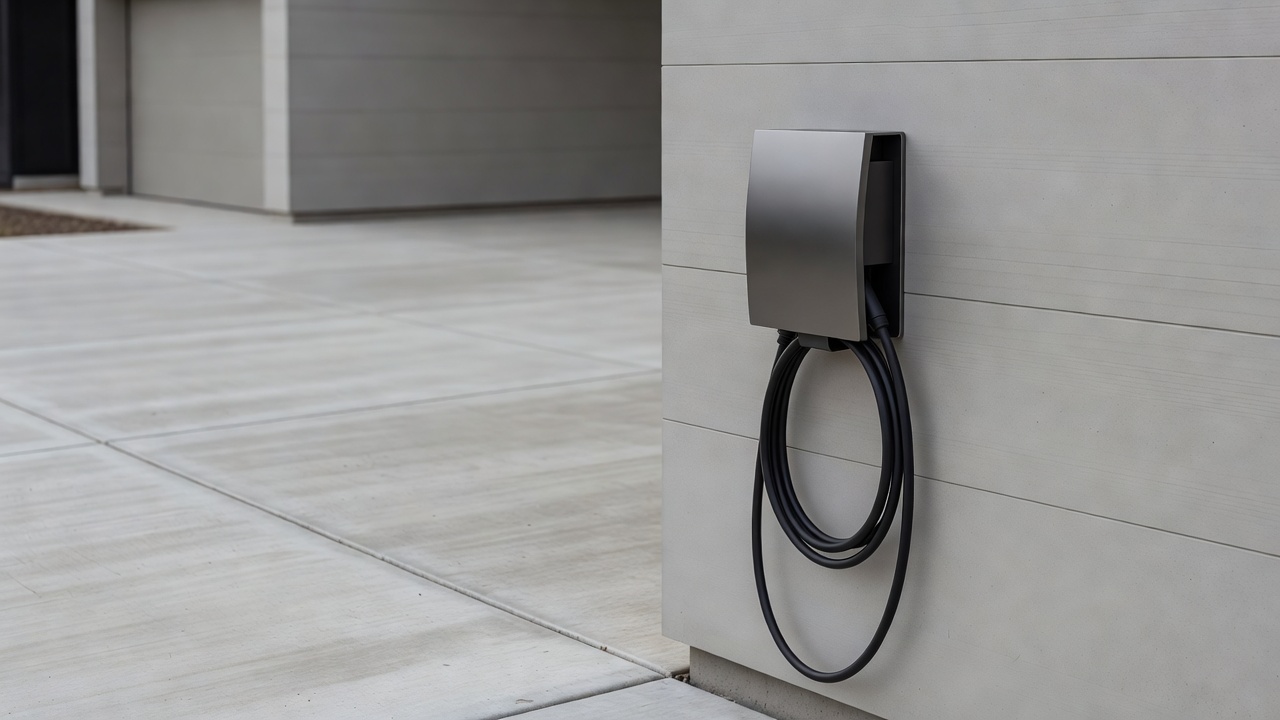
The thing that makes an electric car cheap to run is not the car. It is charging it at home overnight, slowly, on electricity that costs a fraction of what a public rapid charger does.
Charging an electric car at home is therefore the decision that determines most of the ownership experience, and it is worth understanding before buying rather than after.
A dedicated charger or a domestic socket?
You can charge from an ordinary household socket with the cable most cars come with, and for some people that is genuinely enough.
It is slow. A domestic socket delivers a small fraction of what a dedicated wall unit does, which can mean well over a day for a full charge on a larger battery. If your daily distance is short and the car sits overnight every night, that may still cover you comfortably, because you are replacing what you used rather than filling from empty.
A dedicated wall charger is considerably faster, and it is also designed for the job in a way a household socket is not: continuous high current for hours at a time is exactly the duty an ordinary socket and its wiring were never intended for. Anyone charging regularly should have a proper unit installed by a qualified electrician, and an extension lead is not an acceptable substitute at any point.
What decides how fast it charges
Three things, and the slowest of them sets the speed.
- Your electricity supply. What the property can deliver puts a hard ceiling on everything else.
- The charger unit itself, which comes in different ratings.
- The car's onboard charger, which converts incoming alternating current for the battery. This is often the real limit, and it varies a lot between models.
- Temperature, since a very cold battery accepts charge more slowly until it warms.
That third one catches people out. Installing a faster wall unit does nothing if the car itself cannot accept more, so it is worth checking the car's onboard rating before paying for capacity you cannot use.
The tariff matters more than the charger
This is the single biggest lever on running cost and it is often overlooked in favour of hardware.
Time-of-use electricity tariffs price overnight power far below the daytime rate, and an electric car is close to a perfect fit for one because it sits still for eight hours every night and does not care when it charges. The gap between charging on a standard rate and on an off-peak one is large enough to change the entire economics of owning the car.
Most cars and most chargers let you set a schedule so charging starts when the cheap rate begins. Setting that once is worth more than almost any other decision in this article.
Charging habits that protect the battery
The good news is that home charging is the gentle kind, and the habits that reduce cost are broadly the same ones that reduce battery wear.
- Set a daily charge limit around eighty per cent and charge to full only before a longer journey.
- Charge overnight at a slow rate rather than rapid where you have the choice.
- Avoid leaving the car sitting at very low charge for long periods, especially in cold weather.
- If it is parked for weeks, leave it around half charge rather than full or empty.
- Precondition the cabin while still plugged in, so heating comes from the mains rather than the battery.
That last one is genuinely worth doing in winter. Heating a cold cabin is one of the larger draws on an electric car, and doing it on the charger costs you range you would otherwise lose before leaving the drive.
Cables, connectors and the tethered question
Wall chargers come tethered, with a cable permanently attached, or untethered with a socket you plug your own cable into.
Tethered is more convenient day to day: you arrive, you plug in, there is nothing to fetch or coil. Untethered is tidier when not in use, works with different cars and cable types, and is more future-proof if you change vehicles. Neither is wrong, and the honest deciding factor for most people is whether they mind handling a wet cable in the rain.
Keep the connector clean and off the ground, and do not force it when cold. Damage to a connector is inconvenient and avoidable.
If you cannot charge at home
It is workable, and it should be a decision made with the numbers in front of you rather than discovered afterwards.
Public rapid charging costs considerably more per mile than home electricity, enough that the running-cost advantage over a petrol car narrows substantially. It also takes time you have to plan around, and relying on it for most charging is harder on the battery than slow charging.
Worth investigating before ruling it out: charging at work, on-street options in your area, and slower destination chargers at places you already visit. A car that charges slowly while you are somewhere for other reasons is a very different proposition from one that needs a dedicated trip.
Before you commit
Three questions answer most of it. Can a charger be installed where you park, and what would that cost? What tariffs are available to you, and what is the off-peak rate? And what can your car's onboard charger actually accept?
With good answers to those, an electric car is cheap and undemanding to live with. Without them, it can still work, but the sums are different enough that it is worth doing them first.
Common questions
Can I charge an electric car from a normal socket?
You can, and it is slow enough that a full charge on a larger battery can take well over a day. It works if your daily distance is short and the car sits overnight, since you are replacing what you used. For regular charging a dedicated unit installed by a qualified electrician is the right answer, and an extension lead never is.
What decides how fast my car charges at home?
The slowest of three things: what your property's electricity supply can deliver, the rating of the charger unit, and the car's own onboard charger. That last one is often the real limit, so it is worth checking before paying for a faster wall unit.
Does the electricity tariff really matter that much?
It is the single biggest lever on running cost. Time-of-use tariffs price overnight power far below the daytime rate, and a car that sits still all night is close to a perfect fit. Setting a charging schedule once is worth more than most hardware decisions.
Should I get a tethered or untethered charger?
Tethered is more convenient day to day with nothing to fetch or coil. Untethered is tidier, works with different cars and cables, and is more future-proof. For most people the deciding factor is whether they mind handling a wet cable in the rain.
Is an electric car worth it without home charging?
It is workable but the sums are different. Public rapid charging costs considerably more per mile, narrowing the advantage over petrol, and it takes planning. Check for workplace charging, on-street options and destination chargers before ruling it out.
Read more like this
electric
Do Electric Cars Wear Tyres Faster? What Actually Changes
Do electric cars wear tyres faster? Usually yes, and the reasons are weight, torque and quiet cabins. Here is how much, and what actually reduces it.
electric
How Long Do Electric Car Batteries Last? What the Evidence Shows
How long do electric car batteries last? They degrade gradually rather than failing, most of it happens early, and how you charge matters more than mileage.
Diagnose it
Burning Smell From Car? What Each One Usually Means
A burning smell from car vents or under the bonnet has a handful of likely causes, and they are not equally urgent. Here is how to tell which one you probably have.
Need tyres or a service?
Search by registration or size, compare fitted prices from local specialists, and book with the price locked in.
Find tyres