
seasonal
Driving in Snow and Ice: The Techniques That Actually Work
Driving in snow and ice is mostly about doing everything earlier and more gently. Here is what genuinely helps, and what four-wheel drive does not do.
8 min read
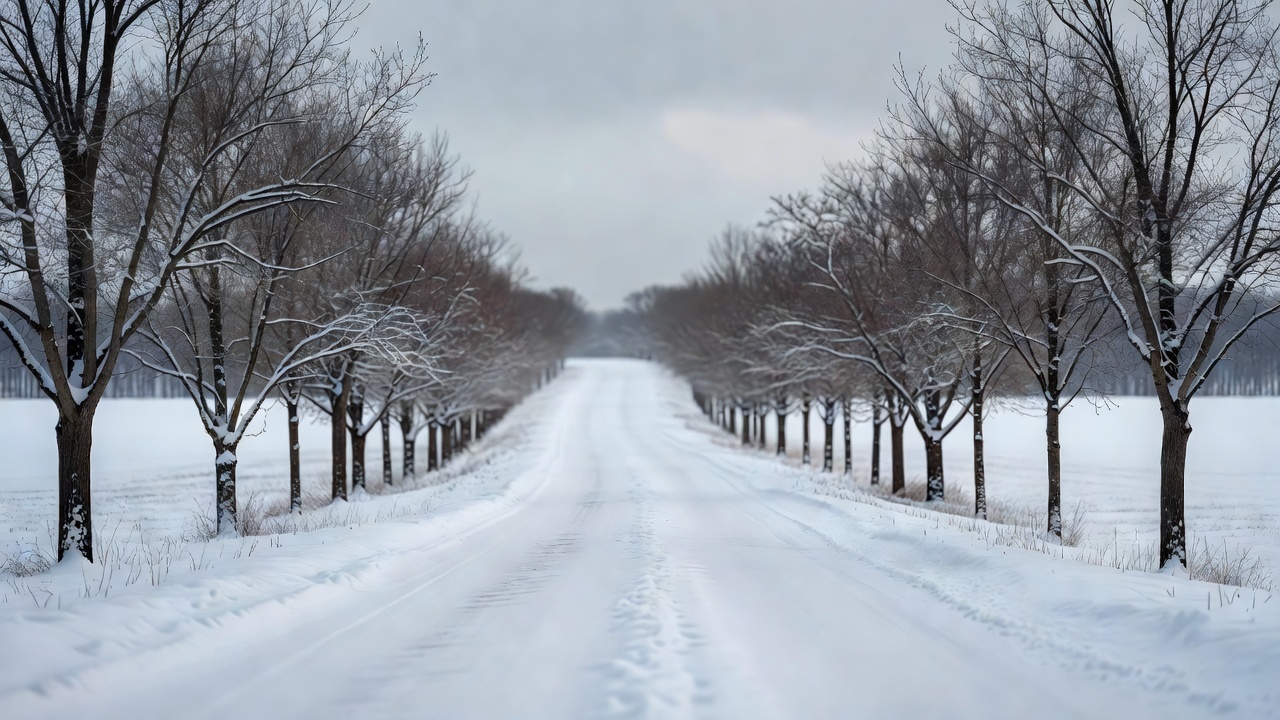
Almost everything that goes wrong on snow comes from asking the tyres for two things at once, or asking for anything suddenly.
Driving in snow and ice is less about skill than about smoothness and timing. The techniques are simple, they are counterintuitive in one or two places, and they work far better than confidence does.
The one principle underneath all of it
A tyre has a limited amount of grip and it has to share that between accelerating, braking and turning. On dry tarmac there is plenty to go round. On snow there is very little, so asking for two things simultaneously is what uses it up.
That is why almost every piece of winter driving advice reduces to the same instruction: do one thing at a time, and do it gently. Brake in a straight line before the corner, not in it. Straighten the wheel before accelerating. Never brake and steer hard together if you can avoid it.
Everything below is that principle applied to specific situations.
Getting moving
Wheelspin is not just ineffective, it actively makes things worse by polishing the snow under the tyre into ice.
- Use the gentlest throttle that produces movement, and be prepared for that to feel absurdly light.
- On a manual, pulling away in second gear reduces the torque reaching the wheels and often works where first will not.
- Many automatics and modern cars have a winter or snow mode that does the same thing. Use it.
- If the wheels spin, stop and try again more gently rather than trying harder.
- Rocking gently forwards and backwards can build enough movement to escape a rut, but stop before it becomes spinning.
The instinct to apply more power when nothing happens is the wrong one every time, and it is what turns a five-minute delay into a stuck car.
Stopping
Stopping distances on snow and ice are dramatically longer than on wet tarmac, and the gap you leave is the single most valuable thing you bring.
Leave far more room than feels necessary, and think of it as time rather than distance. Brake early, gently and progressively, and where possible slow by easing off and letting engine braking do some of the work rather than applying the brakes at all.
If your car has anti-lock brakes and you have to stop hard, press firmly and hold. The pedal will vibrate and grind, and that is the system working rather than a fault. Do not pump the pedal; that defeats it.
Worth knowing what anti-lock brakes do and do not do. They keep the wheels turning so you can steer while braking, which is genuinely valuable. They do not shorten stopping distances on snow and can lengthen them, so they are not a substitute for the gap.
Corners, hills and the awkward bits
Three situations where the principle gets specific.
On corners, all the slowing happens before you turn in. Enter slower than you think you need, keep the steering inputs small and steady, and accelerate only once the wheel is coming back to straight.
Going uphill, build momentum before the slope and try not to change gear or lift halfway up, because both interrupt the traction you have. Leave a large gap to the car ahead so you are not forced to stop on the gradient, which is the hard place to restart.
Going downhill, get into a low gear before you start descending and let the engine hold the speed. Braking on a slippery descent is a much worse position than arriving at it slowly.
If it does start to slide
The correct responses are all about removing the demand rather than adding a correction.
- Come off the throttle smoothly. Do not lift abruptly, which shifts weight and can make it worse.
- Do not brake hard, because that adds a demand the tyres cannot meet.
- Look where you want the car to go, not at what you are trying to avoid. Your hands follow your eyes.
- If the back steps out, steer gently in the direction it is sliding and unwind as it comes back.
- If the front pushes wide, easing off and straightening slightly restores grip better than adding more steering, which just scrubs.
The single most common mistake is more steering. A tyre that has lost grip does not regain it because you turned the wheel further, and the extra angle becomes a problem the moment grip returns.
What tyres do, and what four-wheel drive does not
This distinction is worth being blunt about because the confidence it creates causes real incidents.
Four-wheel drive helps you accelerate. It puts power down through four contact patches instead of two, which is genuinely useful for getting moving and getting up a hill. It does nothing whatsoever for stopping or steering, because both of those use all four wheels regardless of which ones are driven.
Winter tyres help with all three. The compound stays flexible at low temperatures where a summer tyre hardens, and the tread is designed to bite into snow. A two-wheel-drive car on winter tyres will out-stop and out-corner a four-wheel-drive car on summer tyres, and it is not close.
If you have to choose one, choose the tyres. Where winter tyres are legally required, that requirement is usually tied to the snowflake marking on the sidewall rather than to the word winter in a product name.
Before you set off
Clear all the glass, the mirrors, the lights and the roof, not a porthole. Snow left on the roof slides onto the windscreen at the first firm stop, exactly when you least want it.
Then give yourself more time than the journey needs. Almost every winter mistake is made by someone running late, and time is the one thing on this page that costs nothing and helps with everything.
Common questions
How do I get moving in snow without wheelspin?
Use the gentlest throttle that produces any movement, and on a manual try pulling away in second gear to reduce torque at the wheels. Many cars have a winter mode that does the same. If the wheels spin, stop and try again more gently, because spinning polishes the snow into ice.
How should I brake on ice?
Early, gently and in a straight line, leaving far more room than feels necessary. Where you can, slow by easing off and using engine braking instead of the brakes. If you must stop hard with anti-lock brakes, press firmly and hold rather than pumping the pedal.
Does four-wheel drive help in snow?
It helps you accelerate and get moving. It does nothing for stopping or steering, because those use all four wheels whichever ones are driven. A two-wheel-drive car on winter tyres will out-stop and out-corner a four-wheel-drive car on summer tyres.
What should I do if the car starts to slide?
Come off the throttle smoothly, do not brake hard, and look where you want to go rather than at what you are avoiding. If the back steps out, steer gently into the slide and unwind as it comes back. Adding more steering is the most common mistake.
Are winter tyres worth it?
They help with accelerating, stopping and steering, because the compound stays flexible at low temperatures where a summer tyre hardens. If you are choosing between winter tyres and four-wheel drive, the tyres do more.
Read more like this
seasonal
How to Get Your Car Ready for Winter, Without Overdoing It
How to get your car ready for winter: the few checks that genuinely matter, in the order worth doing them, and the things people worry about that do not.
seasonal
What Is Aquaplaning, and How Do You Avoid It?
What is aquaplaning, why it happens without warning, and the three things that decide whether it happens to you. Two of them are under your control.
seasonal
What to Do If You Break Down, in the Order That Keeps You Safe
What to do if you break down: the first thirty seconds matter most, and the instinct to stay in the car is right in some places and wrong in others.
Need tyres or a service?
Search by registration or size, compare fitted prices from local specialists, and book with the price locked in.
Find tyres