
electric
Batteriealterung beim Elektroauto: Wie lange der Akku hält
Die Batteriealterung ist die meistgestellte Frage vor dem Umstieg und die am schlechtesten beantwortete. Die Zahlen aus der Praxis sind besser als der Ruf.
10 min lesen
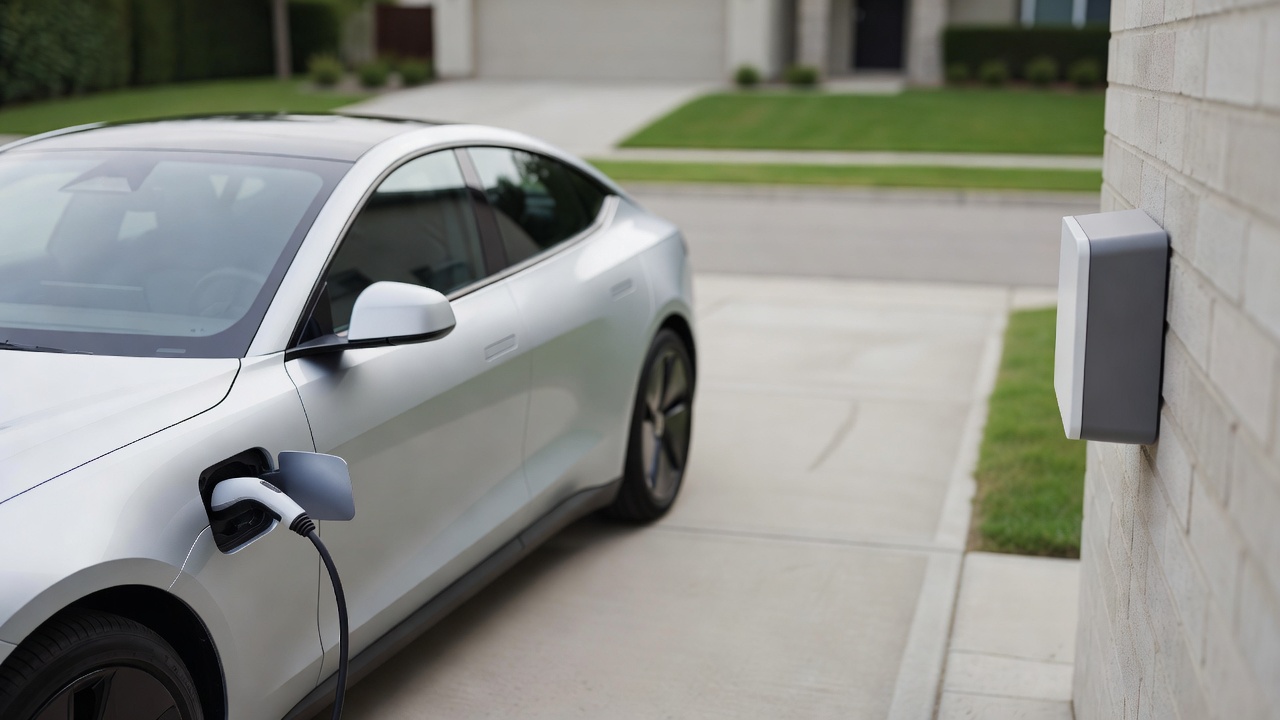
Keine Frage kommt vor dem Umstieg häufiger, und keine wird schlechter beantwortet. Meist folgt entweder eine Beruhigung ohne Zahlen oder ein Schreckensbild aus der Frühzeit der Elektromobilität.
Die Batteriealterung ist real, messbar und inzwischen ziemlich gut dokumentiert. Sie verläuft nur deutlich langsamer, als der Ruf vermuten lässt, und sie folgt Regeln, die Sie zu einem guten Teil beeinflussen können.
Was in der Batterie tatsächlich passiert
Die Batteriealterung läuft auf zwei Wegen ab, und die beiden werden gern verwechselt.
- Kalendarische Alterung: Die Zellen altern mit der Zeit, auch wenn das Fahrzeug steht. Temperatur und Ladestand entscheiden hier über das Tempo.
- Zyklische Alterung: Jeder vollständige Lade- und Entladevorgang beansprucht die Zellen ein Stück. Gezählt werden dabei Vollzyklen, nicht Steckvorgänge.
Aus beidem ergibt sich der Zustandswert, den die Branche State of Health nennt und mit SoH abkürzt: die heute verfügbare Kapazität im Verhältnis zur ursprünglichen. Ein Fahrzeug mit 91 Prozent hat also noch gut neun Zehntel seiner ursprünglichen Reichweite.
Wichtig dabei: Der Verlauf ist nicht linear. Der erste spürbare Rückgang kommt relativ früh und fällt dann deutlich flacher aus. Wer nach dem ersten Jahr hochrechnet, kommt zu einem viel zu düsteren Ergebnis.
Die Zahlen aus der Praxis
Flottenauswertungen über inzwischen sehr große Fahrzeugbestände zeichnen ein konsistentes Bild der Batteriealterung: Der Rückgang liegt im Mittel bei ungefähr ein bis zwei Prozent pro Jahr, und ein Großteil der Fahrzeuge liegt nach acht Jahren noch deutlich über achtzig Prozent.
Das heißt in der Sprache des Alltags: Ein Fahrzeug, das neu 400 Kilometer schaffte, schafft nach acht Jahren typischerweise noch über 340. Das ist ein Unterschied, aber keiner, der den Gebrauch verändert.
Ausreißer bei der Batteriealterung gibt es in beide Richtungen, und die frühen Baujahre ohne aktive Temperierung der Batterie sind der Grund für die schlechten Geschichten. Fahrzeuge mit Flüssigkeitskühlung, also praktisch alles ab der zweiten Generation, verhalten sich deutlich gutmütiger.
Was die Garantie abdeckt
Fast alle Hersteller geben auf die Antriebsbatterie eine eigene Garantie, in der Regel acht Jahre oder 160.000 Kilometer, je nachdem, was zuerst eintritt.
Entscheidend ist die Schwelle darin. Üblich ist eine Zusage, dass die Kapazität in diesem Zeitraum nicht unter etwa siebzig Prozent fällt, und darunter wird nachgebessert. Diese Zahl ist kein Erwartungswert, sondern eine Untergrenze, unter der es einen Anspruch gibt, und die meisten Fahrzeuge liegen deutlich darüber.
Lesen Sie die Bedingungen, bevor Sie sich darauf verlassen. Manche Hersteller verlangen die regelmäßige Wartung im Vertragsnetz, und einige Garantien sind an Bedingungen zur Ladeweise geknüpft.
Was die Batteriealterung beschleunigt
Hier liegt der Teil der Batteriealterung, den Sie in der Hand haben, und er ist erfreulich einfach.
- Dauerhaft auf 100 Prozent laden und in diesem Zustand stehen lassen. Für den Alltag sind 80 Prozent die schonendere Obergrenze, und fast jedes Fahrzeug lässt sich darauf einstellen.
- Regelmäßig sehr tief entladen. Unter zehn Prozent gehört zur Ausnahme, nicht zur Gewohnheit.
- Ausschließlich mit Gleichstrom schnellladen. Gelegentlich ist unproblematisch, täglich belastet die Zellen thermisch.
- Hitze. Ein Fahrzeug, das im Hochsommer voll geladen tagelang in der prallen Sonne steht, altert schneller als eines in der Tiefgarage.
- Lange Standzeiten bei hohem Ladestand. Wer wegfährt, lässt das Auto besser bei etwa der Hälfte stehen.
Der erste Punkt hat die größte Wirkung bei dem geringsten Aufwand. Eine einmal gesetzte Ladegrenze wirkt über Jahre, und für die seltene lange Fahrt lädt man eben vorher einmal voll.
Wie Sie den Zustand messen lassen
Die Reichweitenanzeige im Display taugt dafür nicht. Sie rechnet aus dem jüngsten Verbrauch hoch und schwankt mit Temperatur, Fahrweise und Route, sagt über die Batteriealterung aber wenig.
Belastbar sind drei Wege: die Diagnose beim Hersteller, die den intern gespeicherten Zustandswert ausliest, ein unabhängiges Prüfzertifikat, wie es mehrere Prüforganisationen inzwischen anbieten, und im Fahrzeug selbst der Blick auf die tatsächlich geladene Energiemenge über einen vollständigen Ladevorgang im Vergleich zur Nennkapazität.
Für einen Kauf oder Verkauf ist das Zertifikat das Mittel der Wahl. Es kostet wenig, dauert unter einer Stunde und verwandelt die größte Unsicherheit im Gespräch in eine Zahl.
Und wenn sie doch getauscht werden muss?
Der komplette Austausch einer Antriebsbatterie ist teuer, und mit dieser Zahl wird viel Angst gemacht. In der Praxis ist er selten, denn normale Batteriealterung führt nicht dorthin, und dazwischen liegen mehrere günstigere Stufen.
Häufig ist nicht die Batterie defekt, sondern ein einzelnes Modul oder ein Steuergerät, und der Tausch beschränkt sich darauf. Daneben ist ein Markt für aufgearbeitete Batterien entstanden, und ausgemusterte Akkus werden als stationäre Speicher weiterverwendet, was den Restwert der Zellen stützt.
Praktisch heißt das: Rechnen Sie nicht mit dem Neupreis der kompletten Batterie, wenn Sie den Wert eines gebrauchten Elektroautos abschätzen. Rechnen Sie mit der Wahrscheinlichkeit eines Modultauschs innerhalb Ihrer Haltedauer, und die ist gering.
Was das für Kauf und Verkauf heißt
Beim Kauf eines gebrauchten Elektroautos ist der Zustandswert die wichtigste einzelne Information, wichtiger als die Laufleistung. Verlangen Sie ihn, und nehmen Sie ein Fahrzeug ohne Nachweis nur mit entsprechendem Preisabschlag.
Beim Verkauf gilt dasselbe umgekehrt. Ein Zertifikat über einen guten Zustand ist eines der wenigen Dokumente, die sich beim Preis unmittelbar bemerkbar machen, weil es die Frage beantwortet, die jeder Interessent ohnehin stellt.
Häufige Fragen
Wie schnell altert der Akku eines Elektroautos?
Flottenauswertungen zeigen im Mittel etwa ein bis zwei Prozent Kapazitätsverlust pro Jahr, wobei ein Großteil der Fahrzeuge nach acht Jahren noch deutlich über achtzig Prozent liegt. Der Verlauf ist nicht linear: Der erste Rückgang kommt früh und flacht danach ab.
Was deckt die Batteriegarantie ab?
Üblich sind acht Jahre oder 160.000 Kilometer, je nachdem was zuerst eintritt, mit einer Zusage, dass die Kapazität nicht unter etwa siebzig Prozent fällt. Das ist eine Untergrenze mit Anspruch, kein Erwartungswert, und die meisten Fahrzeuge liegen deutlich darüber.
Soll ich immer auf 100 Prozent laden?
Für den Alltag nicht. 80 Prozent sind die schonendere Obergrenze und lassen sich in fast jedem Fahrzeug fest einstellen. Vor einer langen Fahrt einmal voll zu laden ist unproblematisch, dauerhaft voll geladen zu stehen dagegen der wirksamste Beschleuniger der Batteriealterung.
Schadet Schnellladen der Batterie?
Gelegentlich nicht nennenswert. Täglich ausschließlich mit Gleichstrom zu laden belastet die Zellen thermisch und geht auf die Lebensdauer. Wer zu Hause laden kann und unterwegs nur bei Bedarf schnelllädt, bewegt sich im unproblematischen Bereich.
Wie lasse ich den Batteriezustand prüfen?
Über die Herstellerdiagnose, die den intern gespeicherten Wert ausliest, oder über ein unabhängiges Prüfzertifikat, das mehrere Prüforganisationen anbieten. Die Reichweitenanzeige im Display taugt dafür nicht, weil sie aus dem jüngsten Verbrauch hochrechnet.
Mehr lesen wie dies
electric
Wallbox zu Hause: Was sie bringt und was sie kostet
Eine Wallbox lädt schneller als die Steckdose, doch der eigentliche Gewinn liegt woanders: beim Strompreis und daran, dass Sie nie wieder tanken fahren.
electric
Reifen am Elektroauto: Verschleißen sie schneller?
Reifen am Elektroauto halten meist kürzer, und die Spanne zwischen zwei Fahrern ist größer als der Unterschied zum Verbrenner.
Diagnose it
Auto riecht verbrannt: Was welcher Geruch bedeutet
Wenn das Auto verbrannt riecht, sagt die Art des Geruchs mehr als der Geruch selbst. Fünf Gerüche, fünf verschiedene Ursachen.
Brauchen Sie Reifen oder einen Service?
Suchen Sie nach Kennzeichen oder Reifengröße, vergleichen Sie Komplettpreise lokaler Spezialisten und buchen Sie zum festgelegten Preis.
Finden Sie Reifen