
Servicing
How Often Should You Change Engine Oil? The Honest Answer
How often should you change engine oil? The interval in your handbook assumes a driving pattern most people do not have. Here is how to read it properly.
8 min read
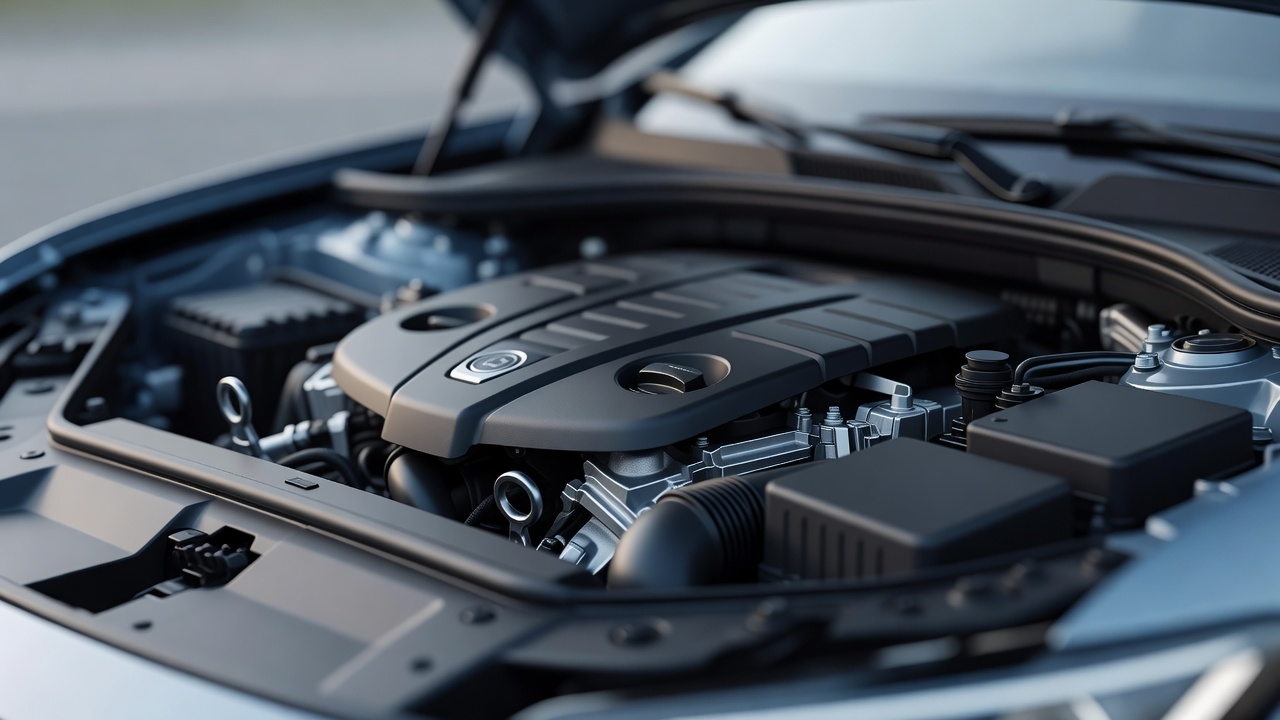
Ask three people how often should you change engine oil and you will get three confident answers, all different, and at least one of them will be a number someone learned in about 1994.
The real answer is less satisfying and much more useful: your handbook already tells you, it gives you two intervals rather than one, and most people are quietly using the wrong one.
Your handbook gives two intervals, not one
Almost every manufacturer publishes a normal service interval and a severe or arduous one. The severe interval is typically about half the normal figure.
People read the normal figure, because it is the one printed larger and the one the salesperson mentioned, and then drive a pattern that meets the severe definition. That gap is where most premature engine wear quietly happens.
So the first thing worth doing is finding both numbers, along with the time limit that sits beside the mileage. Oil degrades on a calendar as well as on an odometer, which is why the interval is always written as a distance or a period, whichever comes first.
What severe use actually means
The term sounds like track days and towing. Read the definition and it usually describes an ordinary suburban life.
- Lots of short journeys, particularly under about ten miles, where the engine never fully warms.
- Frequent stop-start town driving.
- Regular idling, whether in traffic or waiting with the engine running.
- Towing, or carrying heavy loads.
- Very cold or very hot climates.
- Dusty or unsealed roads.
If the school run and the supermarket are most of your mileage, you are in severe use, whatever it feels like. The reason is condensation: a cold engine produces water vapour that only boils off once the oil is properly hot, and an engine that never gets there accumulates moisture and fuel dilution in the sump.
This is why a car doing twelve thousand gentle motorway miles a year is often kinder to its oil than one doing four thousand miles of two-mile trips.
Why the old numbers no longer apply
The familiar short intervals people quote come from an era of mineral oils and looser engine tolerances. Modern synthetic oils are genuinely more stable and modern engines are built to different standards, so manufacturer intervals stretched considerably and legitimately.
There is a counterweight, though. Long intervals were also set with an eye on running costs and service schedules, and modern engines ask more of their oil than older ones did: turbochargers run oil far hotter, and some designs are notably sensitive to oil condition.
The sensible position is neither extreme. Follow the manufacturer's interval, but pick the right one of the two, and treat the severe interval as normal if your driving matches the description.
The specification matters as much as the timing
Changing oil on schedule with the wrong oil is not a saving. Modern engines specify a viscosity grade and an approval standard, and both are requirements rather than preferences.
Diesel cars with particulate filters are the clearest example: they generally need a low-ash oil, because ordinary oil leaves deposits the filter cannot burn off, and those deposits accumulate permanently. Fitting the wrong grade there does not cause a problem you notice next week. It shortens the life of an expensive component over years.
Your handbook names the specification. It is worth checking that whoever changes your oil is using it, and it is a perfectly reasonable question to ask.
Reading the oil yourself
Checking is a monthly job that takes a minute, and it tells you things the schedule cannot.
- Park level, with the engine off and cool, or at least several minutes after switching off.
- Pull the dipstick, wipe it, reinsert it fully, then pull it again for the reading.
- The level should sit between the two marks. Below the lower mark, top up with the right specification. Above the upper mark is a problem too, not a bonus.
- Look at the colour and texture. Fresh oil is translucent amber; dark is normal and expected, gritty is not.
- If the level drops noticeably between checks, that is worth investigating rather than simply topping up forever.
Two things on the dipstick genuinely warrant a conversation with a mechanic: a thick pale emulsion, which can be condensation on a short-journey car and can also be coolant, and an oil level that has risen on its own, which can indicate fuel dilution.
What happens if you stretch it
Nothing dramatic, at first, which is the whole problem. Oil does not fail suddenly. It loses the additive package that keeps deposits in suspension, and then deposits start forming in the narrow oil passages the engine relies on.
On a turbocharged engine that matters more, because the turbo bearing depends on clean oil at high temperature, and it is one of the more expensive things to replace on an otherwise healthy car.
The other cost is quieter and more certain: a car with gaps in its service history is worth less, and no amount of explaining at sale time recovers it.
A practical answer
Find the two intervals in your handbook. Be honest about which describes your driving, and if it is close, take the shorter one. Respect the time limit as well as the mileage, because a car doing very few miles still needs its oil changed on the calendar.
Then check the level monthly, and use the specification the manufacturer names. That combination costs very little and removes almost all of the risk that oil is what eventually ends the car.
Common questions
How often should you change engine oil?
Follow the interval in your handbook, which gives both a mileage and a time limit, whichever comes first. The important detail is that most handbooks publish two intervals, a normal one and a severe one, and a lot of everyday driving meets the severe definition.
What counts as severe driving?
Mostly ordinary things: repeated short journeys where the engine never fully warms, stop-start town driving, a lot of idling, towing, extreme temperatures or dusty roads. If the school run and the shops are most of your mileage, you are in severe use.
Does oil go off if I barely drive?
Yes, which is why the interval has a time limit as well as a mileage. Oil absorbs moisture and fuel over time, and a car doing very few miles is usually doing short cold ones, which is the pattern that contaminates oil fastest.
Does the type of oil matter or is it all the same?
It matters. Engines specify a viscosity grade and an approval standard, and both are requirements. Diesels with particulate filters generally need a low-ash oil, because ordinary oil leaves deposits the filter cannot burn off and those accumulate permanently.
What does milky oil on the dipstick mean?
It can be simple condensation on a car doing short journeys, and it can be coolant getting where it should not. Because those two have very different consequences, it is worth having someone look rather than deciding which it is yourself.
Read more like this
Servicing
Car Filters Explained: What Each One Does and When It Matters
Your car has four filters doing four unrelated jobs, and they are the cheapest parts on the service list. Here is what each does and what happens when it clogs.
Servicing
Coolant and Antifreeze Explained: Why the Colour Matters
Coolant is not just antifreeze, and the colours are not interchangeable. Here is what it actually does, why it expires, and why mixing types is expensive.
Servicing
Do I Need Wheel Alignment? The Signs, and What It Actually Fixes
Do I need wheel alignment? The clearest evidence is not how the car drives, it is how the tyres are wearing. Here is how to read it before you pay for anything.
Need tyres or a service?
Search by registration or size, compare fitted prices from local specialists, and book with the price locked in.
Find tyres