
ownership
Unterhaltskosten senken: Wo beim Auto wirklich Geld liegt
Die meisten sparen beim Tanken und übersehen die Posten, die ein Vielfaches ausmachen. Eine geordnete Liste, nach Wirkung sortiert.
10 min lesen
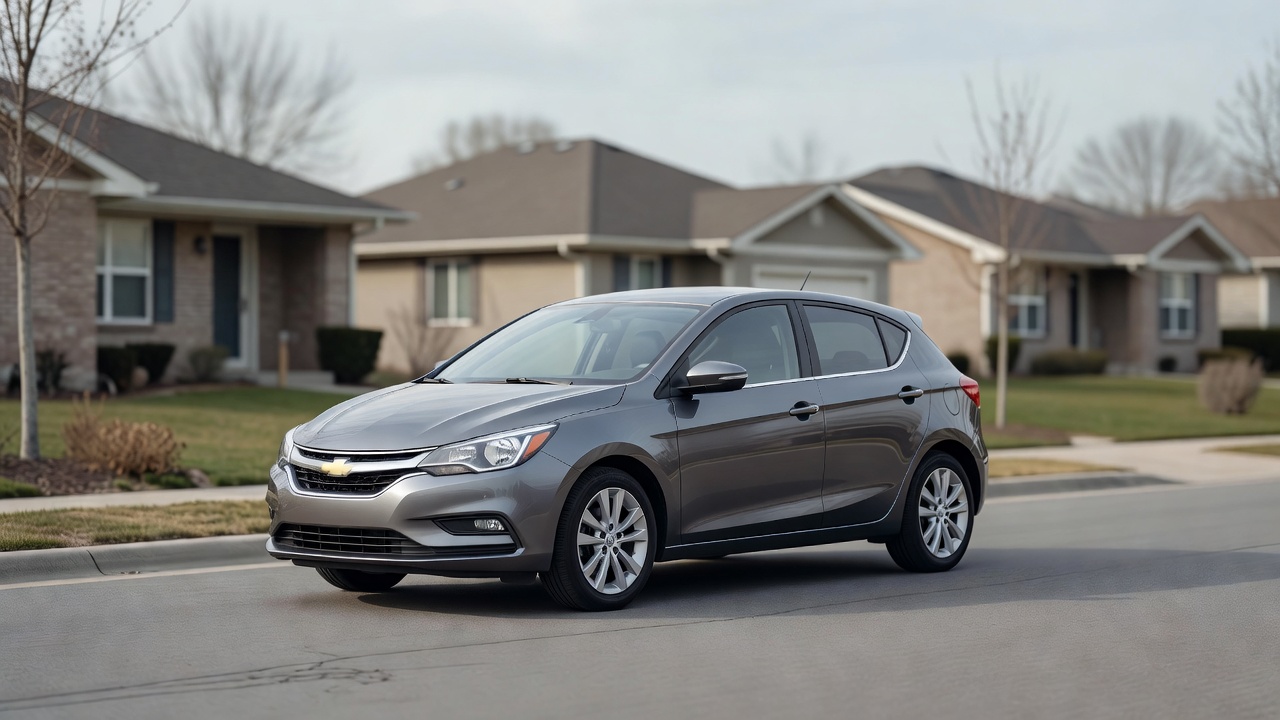
Wenn Autokosten steigen, fängt fast jeder an derselben Stelle an: Man achtet mehr auf die Spritpreise. Das ist verständlich, weil es der einzige Posten ist, den man wöchentlich bezahlt und in großen Ziffern an der Straße stehen sieht.
Nach Wirkung sortiert steht er allerdings nicht oben. Wer seine Unterhaltskosten ernsthaft senken will, arbeitet die Liste in der richtigen Reihenfolge ab, und die sieht anders aus als erwartet.
Die Reihenfolge der Unterhaltskosten
Für ein durchschnittlich genutztes Fahrzeug sortieren sich die Unterhaltskosten grob so:
- Wertverlust. Der größte Posten bei fast jedem Fahrzeug, und der einzige, der nie als Rechnung ankommt. Er wird über die Wahl des Fahrzeugs entschieden, nicht über die Nutzung.
- Versicherung. Der Betrag, der sich am schnellsten und ohne jeden Komfortverzicht senken lässt.
- Kraftstoff oder Strom. Wichtig, aber stärker von der Fahrweise abhängig als vom Tankstellenpreis.
- Wartung und Reparaturen. Planbar, wenn man sie plant, und teuer, wenn man sie aufschiebt.
- Steuer, Parken, Mautvignetten und die Kleinigkeiten.
Der erste Punkt hat einen eigenen Beitrag verdient und ist beim gekauften Fahrzeug weitgehend entschieden. Die Punkte zwei bis vier sind die, an denen sich an den laufenden Unterhaltskosten in diesem Jahr noch etwas ändern lässt.
Versicherung: der schnellste Gewinn
Kaum jemand wechselt, obwohl der Unterschied zwischen einem alten und einem aktuellen Tarif für dasselbe Fahrzeug erheblich sein kann. Fünf Stellschrauben lohnen den Blick.
- Jährlich vergleichen, nicht nur bei Ärger. Die Kündigungsfrist ist bei den meisten Verträgen der 30. November.
- Die Selbstbeteiligung ehrlich wählen. Eine höhere Selbstbeteiligung senkt den Beitrag deutlich und lohnt sich, wenn Sie kleine Schäden ohnehin selbst zahlen würden.
- Werkstattbindung prüfen. Sie spart spürbar, schränkt aber die Wahl im Schadensfall ein, was bei einem älteren Fahrzeug weniger wiegt als bei einem neuen.
- Jährliche Zahlweise statt monatlich, weil die unterjährige Zahlung fast immer einen Zuschlag kostet.
- Die Typklasse schon vor dem Fahrzeugkauf ansehen. Zwei ähnlich teure Modelle können in der Versicherung sehr unterschiedlich liegen.
Ein Punkt zur Vorsicht: Prüfen Sie vor der Kündigung, ob Ihr bestehender Vertrag Leistungen enthält, die im billigeren Angebot fehlen, etwa den Verzicht auf die Einrede grober Fahrlässigkeit. Der günstigste Beitrag ist nicht automatisch der günstigste Vertrag.
Kraftstoff: die Fahrweise schlägt den Tankpreis
Zwischen einer sparsamen und einer normalen Fahrweise liegen im Alltag zweistellige Prozentwerte. Zwischen einer günstigen und einer teuren Tankstelle liegen einstellige.
Das Wirksamste ist unspektakulär: früh vom Gas, vorausschauend rollen statt spät bremsen, auf der Autobahn ein Stück langsamer, und den Dachträger abbauen, wenn er nicht gebraucht wird. Ein Dachgepäckträger kostet auf der Autobahn spürbar Verbrauch, auch leer.
Beim Elektroauto verschiebt sich der Hebel: Dort entscheidet der Strompreis, also zu Hause statt unterwegs zu laden und die günstigen Nachtstunden zu nutzen. Wer eine Lademöglichkeit am Haus hat, hat den größten Teil dieses Postens bereits gelöst.
Reifen: der Posten, der zweimal wirkt
Reifendruck ist die billigste Maßnahme überhaupt und wird von den meisten viermal im Jahr statt monatlich geprüft. Zu wenig Druck erhöht den Rollwiderstand, kostet Verbrauch und fährt die Schultern schneller ab, also zweimal Geld.
Bei der Auswahl lohnt der Blick auf die Kraftstoffeffizienzklasse des EU-Reifenlabels. Zwischen der besten und einer mittleren Klasse liegt über die Lebensdauer eines Satzes ein Betrag, der den Aufpreis meist übersteigt.
Wo Sparen dagegen teuer wird, ist die Nasshaftung. Ein Reifen ist das einzige Bauteil, das Ihr Auto mit der Straße verbindet, und die Bremswegunterschiede zwischen den Klassen sind erheblich. Sparen Sie beim Rollwiderstand, nicht beim Grip.
Wartung: planen statt aufschieben
Die Wartung in einer freien Werkstatt lässt die Herstellergarantie in der Regel unberührt, solange nach Vorgabe gearbeitet und dokumentiert wird, und der Stundensatz liegt oft deutlich niedriger.
Zwei Fragen senken die Rechnung zusätzlich. Erstens: Welche Positionen sind fällig und welche sind Empfehlungen? Beides steht meist untereinander auf demselben Zettel. Zweitens: Was ohnehin ausgebaut werden muss, gehört gleich miterledigt, weil derselbe Arbeitsweg nicht zweimal bezahlt werden sollte.
Und die unbequeme Wahrheit: Aufgeschobene Wartung senkt die Unterhaltskosten nicht, sie verschiebt sie mit Zinsen. Ein Zahnriemen ist eine Position im dreistelligen Bereich, sein Versagen eine im vierstelligen.
Der Rest, kurz
Die Kfz-Steuer gehört zu den Unterhaltskosten, die über die Fahrzeugwahl entschieden werden und sich danach nicht mehr beeinflussen lassen. Beim Parken lohnt sich der Vergleich von Monatskarten gegen Einzelparken ernsthaft, sobald Sie regelmäßig dieselbe Stelle ansteuern.
Und ein Posten, den viele mitschleppen, ohne ihn zu prüfen: Schutzbriefe und Pannendienste sind häufig doppelt vorhanden, einmal über die Versicherung, einmal über einen Club, gelegentlich zusätzlich über den Hersteller. Einmal nachsehen kostet zehn Minuten.
Die Rechnung, die alles ordnet
Führen Sie zwölf Monate lang eine einfache Liste: jede Zahlung, die mit dem Auto zu tun hat, mit Datum und Betrag. Am Ende steht eine Zahl pro Kilometer, und die ist die einzige Grundlage, auf der sich sinnvoll entscheiden lässt.
Fast jeder, der das einmal macht, entdeckt dabei zwei Dinge: dass die Unterhaltskosten höher liegen als angenommen, und dass sie an einer anderen Stelle entstehen als vermutet.
Häufige Fragen
Welcher Posten ist der größte?
Bei fast jedem Fahrzeug der Wertverlust, und er kommt nie als Rechnung an. Er wird über die Wahl des Fahrzeugs entschieden, nicht über die Nutzung. Danach folgen Versicherung, Kraftstoff, Wartung und Reparaturen sowie Steuer und Parken.
Wo spare ich am schnellsten?
Bei der Versicherung, weil es dort keinen Komfortverzicht kostet. Jährlich vergleichen, die Selbstbeteiligung ehrlich wählen, Werkstattbindung prüfen, jährlich statt monatlich zahlen. Achten Sie aber darauf, dass im günstigeren Vertrag keine Leistungen fehlen.
Bringt sparsames Fahren wirklich etwas?
Mehr als die Tankstellenwahl. Zwischen sparsamer und normaler Fahrweise liegen im Alltag zweistellige Prozentwerte, zwischen günstiger und teurer Tankstelle einstellige. Früh vom Gas, vorausschauend rollen, etwas langsamer auf der Autobahn und den Dachträger abbauen.
Lohnen sich teurere Reifen?
Beim Rollwiderstand oft ja, weil die Kraftstoffersparnis über die Lebensdauer eines Satzes den Aufpreis meist übersteigt. Bei der Nasshaftung ist Sparen dagegen die falsche Stelle, denn die Bremswegunterschiede zwischen den Klassen sind erheblich.
Ist die freie Werkstatt günstiger?
Meist ja, und die Herstellergarantie bleibt in der Regel unberührt, solange nach Vorgabe gearbeitet und dokumentiert wird. Fragen Sie zusätzlich, welche Positionen fällig und welche Empfehlungen sind, und lassen Sie zusammenlegen, was denselben Arbeitsweg teilt.
Mehr lesen wie dies
ownership
Wertverlust beim Auto: Wo das Geld wirklich hingeht
Der Wertverlust ist für die meisten Fahrzeuge der größte Posten überhaupt, größer als Sprit, Versicherung und Werkstatt zusammen. Und der einzige, über den kaum jemand spricht.
ownership
Privatverkauf: Das Auto ohne Ärger selbst verkaufen
Ein Privatverkauf bringt mehr als die Inzahlungnahme, wenn drei Dinge stimmen: das Inserat, der Vertrag und die Übergabe.
Diagnose it
Auto riecht verbrannt: Was welcher Geruch bedeutet
Wenn das Auto verbrannt riecht, sagt die Art des Geruchs mehr als der Geruch selbst. Fünf Gerüche, fünf verschiedene Ursachen.
Brauchen Sie Reifen oder einen Service?
Suchen Sie nach Kennzeichen oder Reifengröße, vergleichen Sie Komplettpreise lokaler Spezialisten und buchen Sie zum festgelegten Preis.
Finden Sie Reifen