
Running costs
AdBlue: Was es ist und warum der Wagen sonst stehen bleibt
AdBlue ist kein Kraftstoffzusatz und kein optionales Extra. Läuft der Tank leer, startet ein moderner Diesel nach dem Abstellen nicht mehr.
8 min lesen
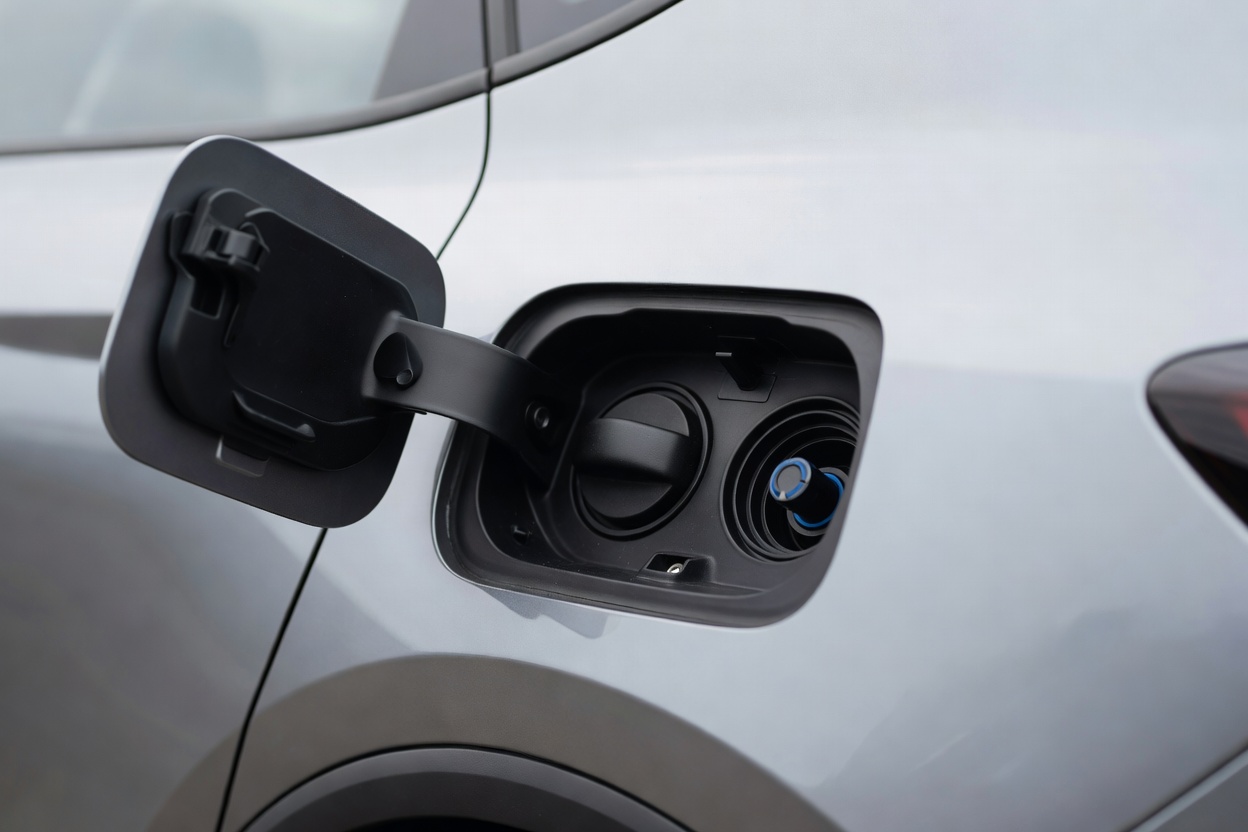
Sie fahren einen Diesel, im Display erschien eine Meldung zu einer Flüssigkeit, von der Sie noch nie gehört haben, und jetzt zählt das Fahrzeug die Kilometer herunter, bis es nicht mehr startet.
Also: Was ist AdBlue, und ist das dringend? Kurz gesagt ja, es ist echt, es ist kein Defekt, und es ist eine der wenigen Warnungen im Auto, die genau das tut, was sie ankündigt.
Was es ist und was es bewirkt
AdBlue ist kein Kraftstoffzusatz und gehört nicht in den Dieseltank. Es ist eine Harnstofflösung in entmineralisiertem Wasser, hat einen eigenen Tank und wird in den Abgasstrang eingespritzt statt in den Motor.
Dort wandelt es Stickoxide um, also genau die Schadstoffe, bei denen Diesel am schlechtesten abschneiden, in Stickstoff und Wasserdampf. Deshalb schaffen moderne Diesel Grenzwerte, die sonst außer Reichweite lägen, und deshalb ist das System keine Ausstattung, die der Hersteller einfach weglassen könnte.
Benziner brauchen es nicht. Wer einen Benziner oder Benzin-Hybrid fährt, kann diesen Text getrost überspringen.
Wie viel Sie verbrauchen
Der AdBlue Verbrauch verhält sich ungefähr proportional zum Kraftstoffverbrauch, richtet sich also nach dem Fahren und nicht nach der Zeit.
Ein Fahrzeug mit langen Autobahnfahrten verbraucht gleichmäßig und vorhersehbar. Eines mit kurzen Wegen verbraucht absolut weniger, muss aber oft in einem ähnlichen zeitlichen Abstand nachgefüllt werden, weil die Tankgröße auf normale Nutzung ausgelegt ist. Anhängerbetrieb, hohe Zuladung und zügiges Fahren erhöhen den Verbrauch spürbar.
In der Praxis wird meist zwischen zwei Inspektionen nachgefüllt und nicht bei jedem Tanken. Das Fahrzeug meldet sich rechtzeitig, und das ist der entscheidende Teil.
Was passiert, wenn Sie es ignorieren
Genau hier werden Leute überrascht, denn diese Warnung verhält sich anders als andere.
Zuerst kommt eine Meldung mit komfortabler Restreichweite, dann immer eindringlichere Hinweise mit Countdown. Läuft der Tank leer, startet das Fahrzeug nicht mehr, sobald Sie es einmal abgestellt haben. Kein Notlauf, keine reduzierte Leistung, sondern kein Start.
Das ist Absicht und emissionsrechtlich vorgeschrieben, also kein Konstruktionsfehler und nichts, was eine Werkstatt umgehen kann. Ist es passiert, muss genug Flüssigkeit nachgefüllt werden, damit das System zufrieden ist, und bei manchen Fahrzeugen muss der Stand eine Mindestmenge überschreiten, bevor die Sperre aufgehoben wird. Aus einer kleinen Besorgung wird so ein Abschleppfall, weshalb der Countdown beim ersten Auftreten Respekt verdient.
Selbst nachfüllen
Es ist wirklich einfach, und selbst gemacht kostet es einen Bruchteil dessen, was eine Werkstatt dafür berechnet.
- Den Einfüllstutzen finden. Er liegt oft neben dem Dieselstutzen unter derselben Klappe, manchmal im Kofferraum oder unter der Haube. Der Deckel ist meist blau.
- In einem verschlossenen Gebinde kaufen, an der Tankstelle, beim Teilehändler oder im Supermarkt. Kanister mit integriertem Ausgussstutzen sind am einfachsten und den kleinen Aufpreis wert.
- Auf das Haltbarkeitsdatum achten. Die Flüssigkeit altert, besonders wenn sie warm gelagert wurde.
- Langsam einfüllen und aufhören, wenn es zurückstaut. Überfüllen bringt nichts und macht Schmutz.
- Verschüttetes zügig abwischen. Es ist nicht gefährlich, kristallisiert beim Trocknen aber weiß aus und kann Lack angreifen.
Im Gebinde zu kaufen statt an der Zapfsäule ist in der Regel deutlich günstiger, und ein Reservekanister im Kofferraum beseitigt das Problem vollständig.
Die Fehler, die richtig Geld kosten
- In den Dieseltank füllen. Das ist der ernste Fall. Nicht starten, denn der Tank muss abgelassen werden, und wenn die Flüssigkeit erst zirkuliert, kann sie das Kraftstoffsystem beschädigen.
- Diesel in den AdBlue-Tank füllen, was das System ebenfalls verunreinigt und teuer wird.
- Etwas anderes als die richtige Spezifikation verwenden. Selbstgemischte oder improvisierte Lösungen beschädigen den Katalysator.
- Ein Gefäß nutzen, in dem etwas anderes war. Verunreinigung ist nach dem Nachfüllen die häufigste Ursache für eine Systemstörung.
- Den Countdown ignorieren, bis das Fahrzeug nicht mehr startet, womit aus fünf Minuten Arbeit ein verlorener Tag wird.
Die Stutzen haben unterschiedliche Durchmesser, damit der erste Fehler schwerer passiert. Trotzdem lohnt es sich, den Deckel zu lesen statt sich zu verlassen.
Wenn die Warnung ein Defekt ist
Manchmal erscheint die Meldung bei vollem Tank, und das ist ein anderes Problem.
Übliche Ursachen sind ein defekter Qualitäts- oder Füllstandssensor, ein auskristallisierter Injektor, oder eingefrorene Flüssigkeit bei starkem Frost. Sie gefriert bei Temperaturen, die in einem deutschen Winter regelmäßig vorkommen, weshalb Fahrzeuge Tank und Leitungen beheizen und ein Ausfall dieser Heizung eine Warnung erzeugen kann, die mit dem Füllstand nichts zu tun hat.
Das Erkennungsmerkmal ist einfach: Wenn Sie korrekt nachgefüllt haben und die Warnung über mehrere Fahrzyklen bestehen bleibt, hören Sie mit dem Nachfüllen auf und lassen Sie auslesen. Mehr hineinzugießen behebt keinen Sensorfehler und kann den Tank überfüllen.
Ändert das etwas an der Dieselfrage?
AdBlue ist ein laufender Kostenpunkt, aber ein kleiner im Verhältnis zum Kraftstoff, und für sich genommen kein Grund, einen modernen Diesel zu meiden.
Einzurechnen ist, dass das System ein weiteres Bauteil ist, das bei einem älteren Fahrzeug mit hoher Laufleistung ausfallen kann, und Reparaturen an Injektor oder Tankheizung sind nicht trivial. Bei einem gebrauchten Diesel lohnt deshalb die Frage, ob eine solche Warnung schon einmal auftrat und wie sie behoben wurde.
Für die meisten Halter läuft es auf einen Kanister alle paar tausend Kilometer hinaus und auf eine Warnung, die reichlich Vorlauf gibt. So behandelt ist es eine kleine Pflicht und kein Problem.
Häufige Fragen
Was ist AdBlue und wofür wird es gebraucht?
Eine Harnstofflösung in entmineralisiertem Wasser mit eigenem Tank, die in den Abgasstrang eingespritzt wird statt in den Motor. Sie wandelt Stickoxide in Stickstoff und Wasserdampf um, wodurch moderne Diesel ihre Grenzwerte erreichen.
Was passiert, wenn AdBlue leer ist?
Das Fahrzeug startet nicht mehr, sobald Sie es einmal abgestellt haben. Das ist emissionsrechtlich vorgeschrieben und lässt sich nicht umgehen. Die Warnungen beginnen mit komfortabler Restreichweite, weshalb die erste Meldung Beachtung verdient.
Kann ich AdBlue selbst nachfüllen?
Ja, und es kostet einen Bruchteil einer Werkstattbefüllung. Der Stutzen liegt oft neben dem Dieselstutzen und hat meist einen blauen Deckel. Verschlossene, haltbare Ware der richtigen Spezifikation verwenden, langsam einfüllen und Verschüttetes abwischen, weil es weiß auskristallisiert.
Was tun, wenn AdBlue in den Dieseltank gelangt ist?
Nicht starten. Der Tank muss abgelassen werden, und wenn die Flüssigkeit erst im System zirkuliert, kann sie das Kraftstoffsystem beschädigen. Die Stutzen haben bewusst unterschiedliche Durchmesser, den Deckel zu lesen kostet dennoch nur Sekunden.
Warum warnt das Fahrzeug bei vollem Tank?
Das deutet auf einen Defekt statt auf den Füllstand: häufig ein Qualitäts- oder Füllstandssensor, ein auskristallisierter Injektor oder eingefrorene Flüssigkeit bei ausgefallener Tankheizung. Bleibt die Warnung nach korrektem Nachfüllen über mehrere Fahrten, auslesen lassen statt weiter nachzufüllen.
Mehr lesen wie dies
Running costs
Autobatterie Lebensdauer: Warum sie plötzlich aufgibt
Die Autobatterie Lebensdauer hängt weniger am Alter als am Fahrprofil. Und sie kündigt sich an, wenn man weiß, worauf zu achten ist.
Running costs
Höherer Spritverbrauch: Woran es meistens liegt
Ein höherer Spritverbrauch hat selten eine Ursache. Meist sind es mehrere kleine, und zwei davon stehen gerade unter dem Auto.
Diagnose it
Auto riecht verbrannt: Was welcher Geruch bedeutet
Wenn das Auto verbrannt riecht, sagt die Art des Geruchs mehr als der Geruch selbst. Fünf Gerüche, fünf verschiedene Ursachen.
Brauchen Sie Reifen oder einen Service?
Suchen Sie nach Kennzeichen oder Reifengröße, vergleichen Sie Komplettpreise lokaler Spezialisten und buchen Sie zum festgelegten Preis.
Finden Sie Reifen