
seasonal
Autopanne: Was in den ersten Sekunden zählt
Eine Autopanne ist selten selbst gefährlich. Gefährlich wird sie durch die Stelle, an der das Fahrzeug steht, und die erste Minute danach.
8 min lesen
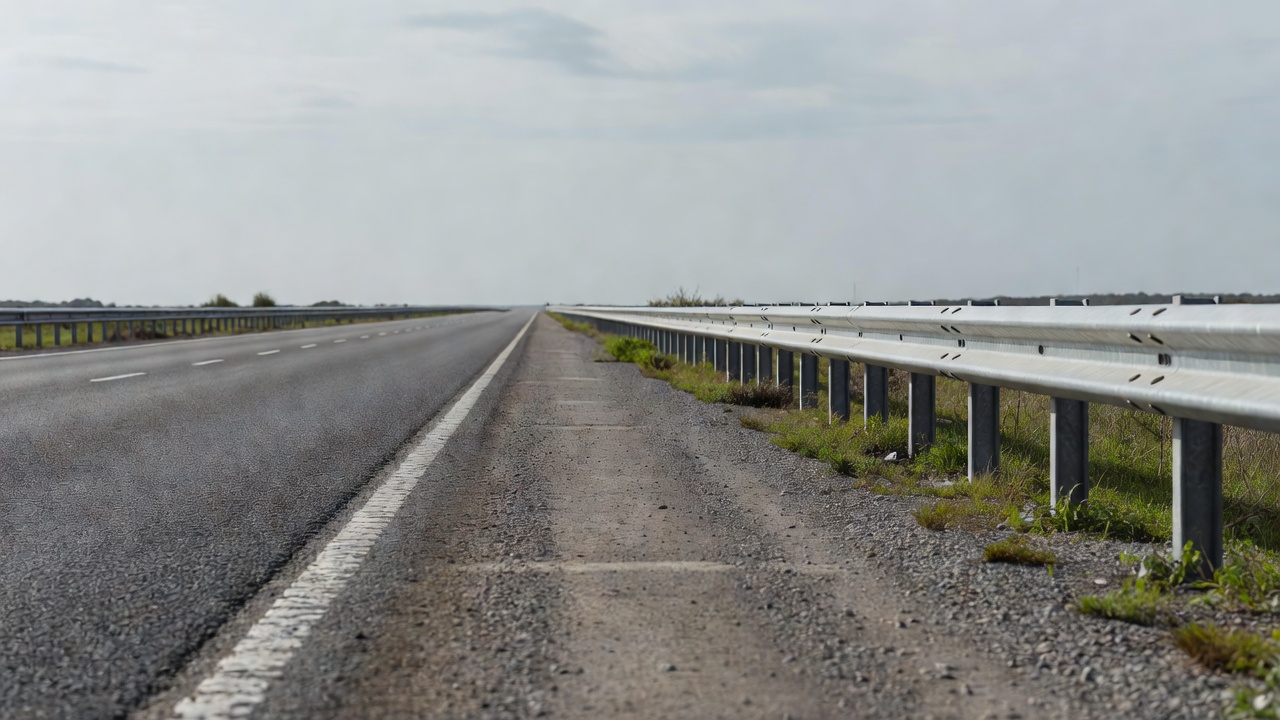
Eine Autopanne ist selten für sich genommen gefährlich. Gefährlich wird sie durch die Stelle, an der das Fahrzeug zum Stehen kommt, und durch das, was alle in der ersten Minute danach tun.
Das lohnt sich vorher zu lesen, denn die richtigen Handlungen sind teils unlogisch, und bei vorbeifahrendem Verkehr ist keine Zeit, sie sich zu überlegen.
Die ersten dreißig Sekunden
Bei einer Autopanne während der Fahrt geht es zuerst um die Position und nicht um die Ursache.
- Warnblinkanlage sofort einschalten, damit Sie für alle hinter Ihnen berechenbar sind.
- Den vorhandenen Schwung nutzen, um so weit wie möglich von der Fahrbahn herunterzukommen. Ein noch rollendes Fahrzeug lässt sich viel besser platzieren als ein stehendes.
- Die Stelle mit dem größten Abstand zum fließenden Verkehr ansteuern, und lieber hinter einer Kuppe oder Kurve als knapp davor.
- Räder geradestellen und die Feststellbremse anziehen.
- Erst danach überlegen, was eigentlich kaputt ist.
Der Reflex, sofort anzuhalten und nachzusehen, ist der, den man unterdrücken sollte. Fünfzig Meter Ausrollen können der Unterschied zwischen einer sicheren und einer gefährlichen Position sein, und nichts, was Sie diagnostizieren könnten, ist so viel wert.
Aussteigen oder sitzen bleiben?
Hier unterscheidet sich die Empfehlung je nach Situation, und diese Entscheidung ist wichtiger als jede andere auf dieser Seite.
Auf der Autobahn und auf Schnellstraßen gilt: Warnweste anlegen, solange Sie noch im Fahrzeug sitzen, auf der dem Verkehr abgewandten Seite aussteigen und hinter die Leitplanke gehen, deutlich hinter dem Fahrzeug. Ein stehendes Auto am Rand einer schnellen Straße ist genau das, was gelegentlich getroffen wird, und darin zu sitzen ist der schlechteste Platz.
Auf einer ruhigen Straße, in einer sicheren Haltebucht oder wenn Aussteigen Sie an einen gefährlicheren Ort brächte, kann Sitzenbleiben mit angelegtem Gurt die bessere Wahl sein. Auch wenn jemand nicht sicher aussteigen kann, ändert das die Rechnung.
Das Prinzip dahinter: Abstand und etwas Festes zwischen Menschen und fließendem Verkehr. Wo das Fahrzeug das leistet, bleiben Sie. Wo nicht, gehen Sie.
Gesehen werden
Sichtbarkeit entscheidet mehr als alles andere darüber, ob eine Autopanne ereignislos bleibt.
- Warnblinker an, bei schlechter Sicht zusätzlich Standlicht.
- Warnweste vor dem Aussteigen anlegen, nicht danach. Sie gehört genau deshalb in den Innenraum und nicht in den Kofferraum.
- Nicht zwischen dem eigenen Fahrzeug und dem ankommenden Verkehr stehen und niemals direkt dahinter, wo Sie verdeckt sind.
- Das Warndreieck aufstellen, auf der Autobahn in ausreichendem Abstand und hinter der Leitplanke gehend, nicht auf der Fahrbahn.
- Nachts eine Taschenlampe eher auf sich selbst richten als entgegenkommenden Fahrern ins Gesicht.
Die Warnweste im Innenraum statt im Kofferraum zu haben, ist eine Kleinigkeit, die die Reihenfolge von allem darüber verändert. In den Kofferraum zu greifen ist genau das, was Sie vermeiden wollen.
Sinnvoll Hilfe rufen
Nach einer Autopanne kommt die Hilfe schneller und passender, wenn die Person am Telefon sich die Lage vorstellen kann.
Nennen Sie den Standort so genau wie möglich, über Kilometrierung, Ausfahrtsnummer oder eine Karten-App mit Koordinaten. Sagen Sie, auf welcher Seite Sie stehen und in welche Richtung Sie unterwegs waren, denn beides wird leicht angenommen und leicht verwechselt.
Beschreiben Sie den Ausfall so, wie Sie ihn einer Werkstatt beschreiben würden: was Sie gehört haben, welche Warnung erschien, ob es plötzlich oder allmählich kam, und ob das Fahrzeug noch startet oder rollt. Ein Fahrzeug, das nicht anspringt, braucht andere Hilfe als eines, das überhitzt ist, und das zu wissen erspart eine zweite Anfahrt.
Sagen Sie außerdem, wenn Kinder, Tiere oder gefährdete Personen dabei sind oder wenn Sie sich an der Stelle unsicher fühlen. Das ändert meist die Dringlichkeit.
Weiterfahren oder nicht
Manche Ausfälle lassen ein Weiterfahren zu, und die meisten davon sollte man trotzdem nicht.
Alles rund um Überhitzung, Öldruck, Bremsen oder Lenkung bedeutet anhalten, weil Weiterfahren aus einer Reparatur einen Austausch macht oder Schlimmeres. Ein platter Reifen, auf dem weitergefahren wird, ist ein zerstörter Reifen und oft auch eine beschädigte Felge. Eine Warnleuchte, die Sie nicht kennen, liest man besser im Stand als bei Tempo.
Die eine Ausnahme, die man benennen sollte: Wenn Anhalten an genau dieser Stelle gefährlicher wäre als langsames Weiterfahren zu einer besseren, ist Weiterfahren richtig. Das ist eine echte Abwägung und keine Regel.
Die Wahrscheinlichkeit vorher senken
Die meisten Fälle von Autopanne sind nicht rätselhaft. Sie sammeln sich um eine Handvoll Ursachen, die sich vorher melden.
- Die Batterie, die deutlich nachlässt, bevor sie stehen lässt, und schnell zu prüfen ist.
- Die Reifen, samt Luftdruck und dem Pannenset oder Reserverad, das nie kontrolliert wurde.
- Der Kraftstoff, was banal klingt und ein häufiger Einsatzgrund ist.
- Die Kühlung, bei der ein langsames Leck monatelang sichtbare Spuren hinterlässt.
- Aufgeschobene Wartung, aus der der Rest weitgehend besteht.
Den Tank voller halten als nötig, den Luftdruck monatlich prüfen und die Batterie vor dem Winter testen lassen nimmt einen großen Teil der realistischen Ursachen heraus.
Häufige Fragen
Was tue ich zuerst bei einer Autopanne?
Warnblinker einschalten und den vorhandenen Schwung nutzen, um so weit wie möglich von der Fahrbahn herunterzukommen, möglichst hinter einer Kuppe oder Kurve statt knapp davor. Die Ursache kommt zuletzt.
Soll ich im Auto sitzen bleiben oder aussteigen?
Auf Autobahnen und Schnellstraßen: Warnweste im Fahrzeug anlegen, zur verkehrsabgewandten Seite aussteigen und hinter die Leitplanke gehen, deutlich hinter dem Fahrzeug. Auf ruhigen Straßen oder in einer sicheren Bucht kann Sitzenbleiben mit Gurt besser sein.
Wo stelle ich mich hin, während ich warte?
Weit hinter dem Fahrzeug und hinter der Leitplanke, wo es eine gibt. Niemals zwischen dem eigenen Auto und dem ankommenden Verkehr und niemals direkt dahinter, wo Sie verdeckt sind.
Was sollte ich der Pannenhilfe sagen?
Den Standort so genau wie möglich über Kilometrierung, Ausfahrt oder Koordinaten, auf welcher Seite Sie stehen und in welche Richtung Sie fuhren. Dann den Ausfall: was Sie hörten, welche Warnung erschien, und ob das Fahrzeug noch startet oder rollt.
Darf ich noch bis zur nächsten Ausfahrt fahren?
Bei Überhitzung, Öldruck, Bremsen oder Lenkung nicht, weil Weiterfahren aus einer Reparatur einen Austausch macht. Die echte Ausnahme ist, wenn Anhalten an genau dieser Stelle gefährlicher wäre als langsames Weiterfahren zu einer besseren.
Mehr lesen wie dies
seasonal
Fahren im Schnee: Die Technik, die wirklich hilft
Fahren im Schnee ist weniger eine Frage des Könnens als der Sanftheit. Was hilft, was nicht, und was Allrad nachweislich nicht kann.
seasonal
Auto winterfest machen: Was wirklich zählt
Auto winterfest machen heißt nicht Checkliste abarbeiten. Fünf Dinge entscheiden, und die Winterreifenpflicht gilt situativ, nicht nach Datum.
seasonal
Aquaplaning: Warum es ohne Vorwarnung passiert
Aquaplaning kündigt sich nicht an. Drei Faktoren entscheiden, ob es passiert, und zwei davon haben Sie selbst in der Hand.
Brauchen Sie Reifen oder einen Service?
Suchen Sie nach Kennzeichen oder Reifengröße, vergleichen Sie Komplettpreise lokaler Spezialisten und buchen Sie zum festgelegten Preis.
Finden Sie Reifen