
Tyres
Profiltiefe messen: So lesen Sie Ihre Reifen richtig
Profiltiefe messen dauert zwei Minuten und braucht kein Werkzeug. Wichtiger als der Wert ist oft das Verschleißbild, denn es nennt die Ursache.
8 min lesen
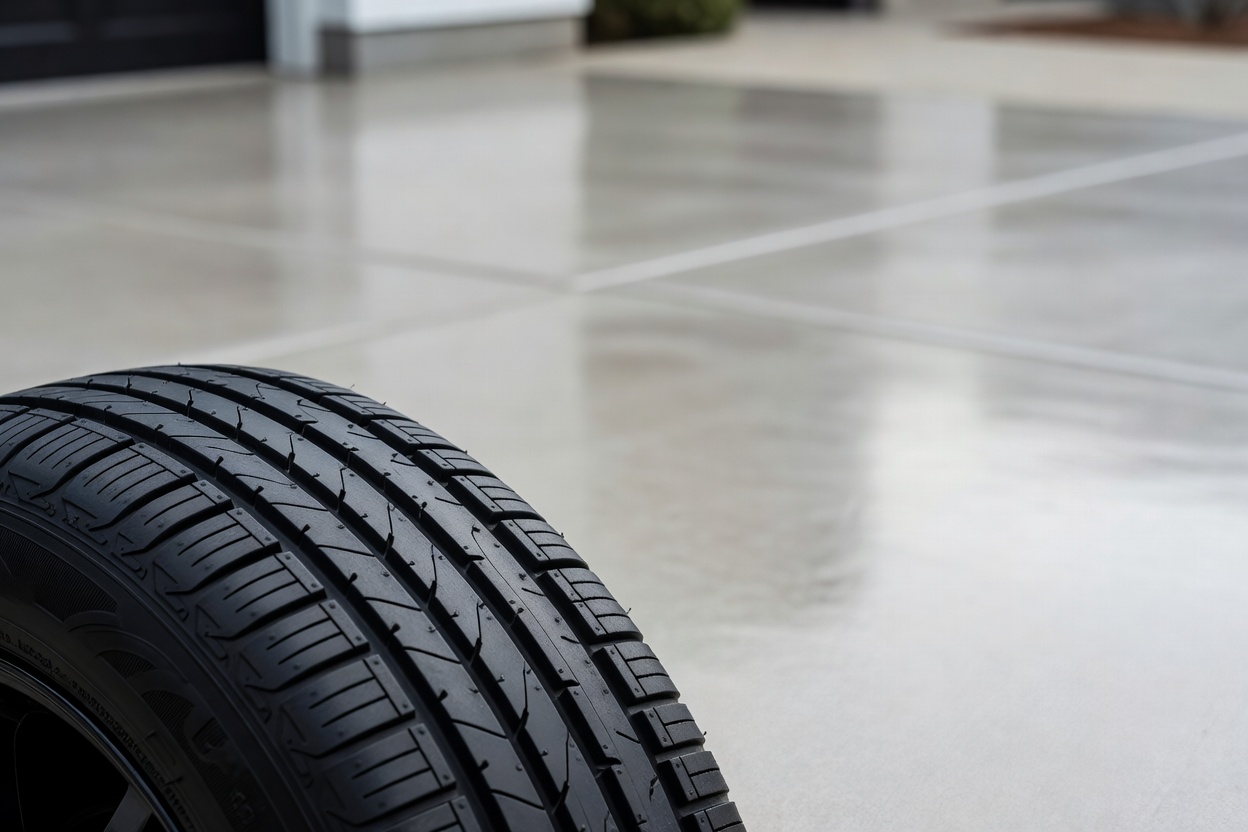
Sie stehen in der Einfahrt und ein Reifen sieht irgendwie flacher aus als die anderen. Oder Sie haben schlicht länger nicht hingesehen.
Profiltiefe messen geht ohne Werkzeug und dauert kaum zwei Minuten. Der eigentliche Gewinn liegt aber nicht in der Zahl, sondern im Verschleißbild: Wie ein Reifen abfährt, verrät fast immer, warum er es tut.
Die Zwei-Minuten-Prüfung
Sie brauchen nichts außer einer Münze, und jeder Reifen bringt seine eigene Anzeige bereits mit.
- Fahrzeug eben abstellen und die Vorderräder voll einschlagen, damit Sie die Innenseite sehen.
- Nach den Verschleißindikatoren suchen: kleine Gummistege in den Hauptrillen, gleichmäßig über den Reifen verteilt.
- Mit dem Finger darüberfahren. Liegt ein Steg auf einer Höhe mit dem Profil, ist die gesetzliche Grenze erreicht.
- Außen, Mitte und innen getrennt prüfen. Die Innenkante fährt sich oft zuerst ab und wird am seltensten angesehen.
- Alle vier Reifen prüfen, und das Reserverad nicht vergessen, falls vorhanden.
Die Verschleißindikatoren sind kein grober Anhaltspunkt. Sie sitzen bewusst auf der gesetzlichen Mindestprofiltiefe, ein Steg auf Profilhöhe bedeutet also fertig und nicht fast fertig.
Die Ein-Euro-Münze, und warum 1,6 mm nur die Untergrenze sind
Für einen Zahlenwert genügt eine Ein-Euro-Münze. Ihr goldener Rand ist etwa drei Millimeter breit: Verschwindet er in der Hauptrille, haben Sie noch mindestens drei Millimeter Profil.
Messen Sie an mehreren Stellen rund um den Reifen und über die Breite, nicht nur einmal. Ein Reifen kann an der geprüften Stelle einwandfrei sein und wenige Zentimeter weiter deutlich dünner.
Gesetzlich vorgeschrieben sind in Deutschland 1,6 Millimeter. Das ist eine Grenze für die Bußgeldstelle, kein Qualitätsmaßstab: Nässeverhalten und Aquaplaningreserve lassen lange vorher nach. Der ADAC und die meisten Werkstätten empfehlen deshalb einen Wechsel bei etwa 3 Millimetern bei Sommerreifen und rund 4 Millimetern bei Winterreifen.
Das Verschleißbild lesen, der eigentlich nützliche Teil
Gleichmäßiger Abrieb über die ganze Lauffläche heißt, dass Reifen und Fahrwerk in Ordnung sind. Alles andere ist ein Symptom mit einer ziemlich klaren Ursache.
- Beide Schultern abgefahren, Mitte gut: dauerhaft zu wenig Luftdruck.
- Mitte abgefahren, Schultern gut: dauerhaft zu viel Luftdruck.
- Nur eine Kante, meist die innere: Spur- oder Fahrwerksproblem. Wird sehr spät entdeckt, weil die Innenseite abgewandt ist.
- Muldenförmige Vertiefungen rundum: verschlissene Stoßdämpfer oder Fahrwerksteile.
- Sägezahnbildung, die man in eine Richtung deutlich spürt: ebenfalls Spur.
Fahren Sie mit der flachen Hand über die Lauffläche, statt nur hinzusehen. Sägezahn und Muldenbildung fühlt man deutlich früher, als man sie sieht.
Die Flanke gehört dazu
Viele Reifen werden nicht wegen des Profils getauscht, sondern wegen der Flanke. Sie trägt die Last und hat keinen Stahlgürtel hinter sich, Schäden wiegen hier also schwerer als in der Lauffläche.
- Eine Beule oder Blase: Die Karkasse ist gerissen und die Luft drückt gegen den Rest. Damit nicht weiterfahren.
- Ein Riss, in dem Gewebe sichtbar wird: erledigt, unabhängig vom Profil.
- Feine Risse über die ganze Flanke: Alterung und UV-Einwirkung, bei älteren Reifen ernst zu nehmen.
- Bordsteinschaden, der nur oberflächlich Gummi abgetragen hat: meist kosmetisch, die Innenseite trotzdem ansehen.
- Jede Verformung bei korrektem Luftdruck: prüfen lassen.
Genau deshalb sind Niederquerschnittsreifen und Runflats gegenüber einem harten Bordsteinkontakt weniger nachsichtig: Zwischen Felge und Kante liegt schlicht weniger Gummi.
Wie alt ist zu alt?
Gummi altert, ob gefahren wird oder nicht. Ein Reifen mit sechs Jahren und wenig Laufleistung kann problematischer sein als einer, der in zwei Jahren dreißigtausend Kilometer gesehen hat.
Die DOT-Nummer auf der Flanke nennt in ihren letzten vier Ziffern Woche und Jahr der Herstellung. Das ist besonders bei Wohnwagen, Anhängern, Oldtimern und Zweitwagen wichtig, also überall dort, wo ein Fahrzeug lange steht.
Ein festes Verfallsdatum gibt es nicht, und wer eines nennt, vereinfacht. Fair ist: Ein älterer Reifen mit Rissbildung an einem Fahrzeug, das draußen steht und selten bewegt wird, gehört angesehen und nicht nur überflogen.
Wann Sie es prüfen lassen sollten
Die Kontrolle selbst ist eine Zwei-Minuten-Sache. Bei einigen Befunden ist der nächste Schritt trotzdem jemand mit einer Hebebühne.
Profiltiefe messen vor der Hauptuntersuchung
Reifen sind einer der häufigsten Mängelpunkte bei der Hauptuntersuchung, und fast immer wäre er vorher erkennbar gewesen.
Geprüft wird nicht nur der Wert, sondern auch das Bild: ungleicher Verschleiß über die Breite, Beschädigungen an der Flanke, unterschiedliche Reifen an einer Achse und ein Alter, das nicht mehr zur Bauart passt. Ein Reifen mit ausreichend Profil in der Mitte und abgefahrener Innenkante fällt auf, obwohl der gemessene Wert an der geprüften Stelle stimmt.
Wer ohnehin einen Termin hat, sollte deshalb vorher zehn Minuten investieren und alle vier Reifen samt Innenkanten ansehen. Eine Nachuntersuchung kostet Zeit und Gebühr, und der Reifen war in beiden Fällen fällig.
Das gilt besonders für Fahrzeuge, die viel kurze Strecken fahren. Dort verschleißen die Vorderreifen deutlich schneller als die hinteren, und wer nie tauscht, hat am Ende zwei fast neue und zwei erledigte Reifen statt vier gleichmäßig genutzter.
- Verschleiß nur an einer Kante, weil sonst der neue Satz genauso abfährt.
- Mulden- oder Sägezahnbildung, die auf das Fahrwerk deutet.
- Beule, Gewebe im Riss oder Unsicherheit an der Flanke.
- Ein Reifen deutlich schlechter als sein Partner auf derselben Achse.
- Vibration oder Ziehen, das zusammen mit dem Verschleiß aufgetreten ist.
Neue Reifen auf ein Fahrzeug mit Spurfehler zu montieren heißt, dasselbe Problem zweimal zu bezahlen. Eine Achsvermessung kostet einen Bruchteil eines Satzes.
Häufige Fragen
Wie messe ich die Profiltiefe ohne Messgerät?
Mit den Verschleißindikatoren in den Hauptrillen: Liegt ein Steg auf Profilhöhe, ist die gesetzliche Grenze erreicht. Für einen Zahlenwert genügt eine Ein-Euro-Münze, deren goldener Rand etwa drei Millimeter breit ist.
Wie viel Profiltiefe ist vorgeschrieben?
In Deutschland 1,6 Millimeter. Das ist allerdings eine Bußgeldgrenze und kein Qualitätsmaßstab, denn Nässeverhalten und Aquaplaningreserve lassen deutlich früher nach. Empfohlen werden meist 3 Millimeter bei Sommer- und 4 Millimeter bei Winterreifen.
Warum ist nur eine Kante meines Reifens abgefahren?
Das ist fast immer die Spureinstellung oder ein verschlissenes Fahrwerksteil, meist an der Innenkante, weil dort niemand hinsieht. Ohne Korrektur fährt sich der neue Reifen genauso ab.
Ist eine Beule in der Flanke gefährlich?
Ja. Eine Beule bedeutet, dass die Karkasse gerissen ist und die Luft gegen den verbliebenen Gummi drückt. Das ist ein struktureller Schaden, bei dem die Profiltiefe keine Rolle spielt.
Wie oft sollte ich die Reifen prüfen?
Einmal im Monat zusammen mit dem Luftdruck, dazu vor jeder längeren Fahrt und vor dem Winter. Fahren Sie dabei mit der flachen Hand über die Lauffläche, denn Sägezahn und Mulden spürt man früher, als man sie sieht.
Mehr lesen wie dies
Tyres
Reifen reparieren oder ersetzen? Die Stelle entscheidet
Ob sich ein Reifen reparieren lässt, entscheidet die Stelle des Schadens, nicht seine Größe. Das können Sie selbst beurteilen.
Tyres
EU-Reifenlabel erklärt: Was A, B und C wirklich heißen
Das EU-Reifenlabel nennt drei Werte, und nur einer davon entscheidet über den Bremsweg. Was Kraftstoff, Nasshaftung und Geräusch bedeuten.
Tyres
Wie lange halten Reifen? Was die Laufleistung entscheidet
Wie lange halten Reifen? Die Spanne ist riesig, und sie hängt mehr am Fahrer als am Reifen. Was Sie beeinflussen können und was nicht.
Brauchen Sie Reifen oder einen Service?
Suchen Sie nach Kennzeichen oder Reifengröße, vergleichen Sie Komplettpreise lokaler Spezialisten und buchen Sie zum festgelegten Preis.
Finden Sie Reifen