
Tyres
RDKS Warnleuchte an: Was sie wirklich bedeutet
Die RDKS Warnleuchte meldet nicht immer eine Panne. Kälte, ein Radwechsel oder ein müder Sensor lösen sie genauso aus.
8 min lesen
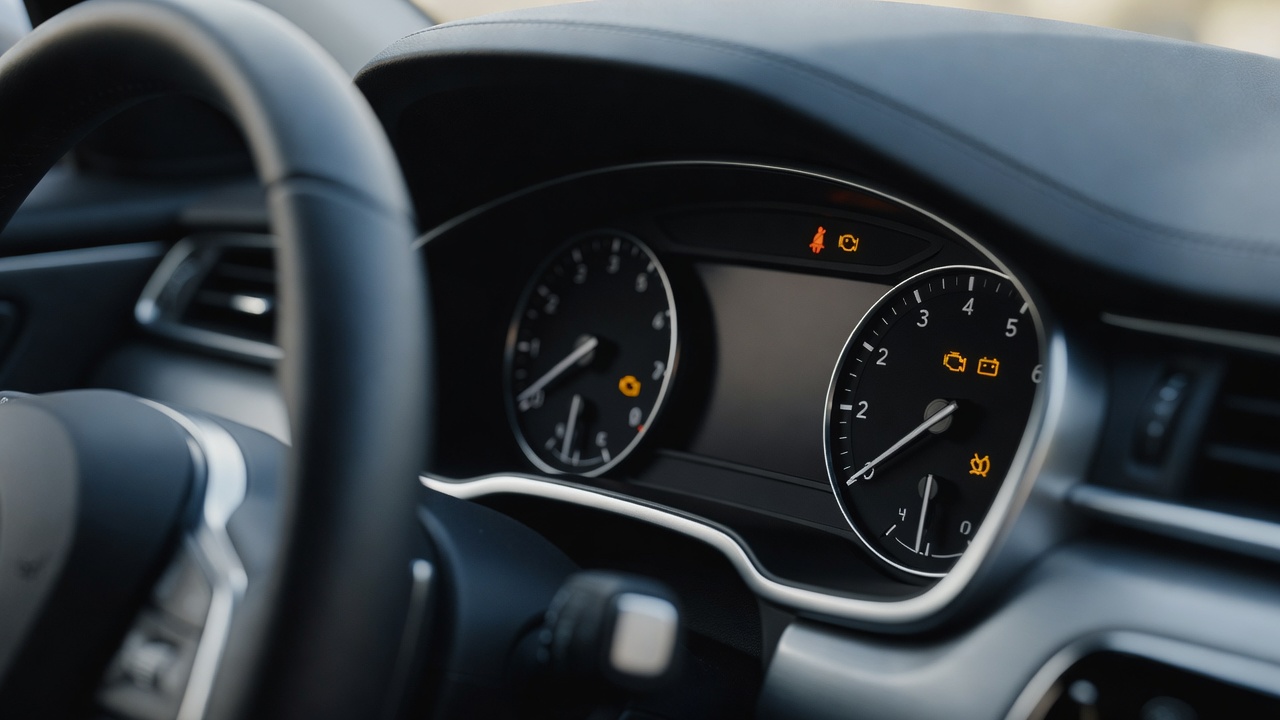
Ein gelbes Symbol ist aufgetaucht, das ein bisschen wie ein Hufeisen mit einem Ausrufezeichen aussieht. Das Auto fährt normal und kein Reifen sieht platt aus.
Das RDKS, also das Reifendruckkontrollsystem, ist eines der nützlicheren Dinge im Armaturenbrett und eines der am häufigsten falsch gedeuteten. Es warnt nicht nur vor einer Panne, und die Umstände, unter denen es angeht, sagen meist schon, worum es geht.
Zwei Systeme, die sich unterschiedlich verhalten
Welches Ihr Fahrzeug hat, lohnt sich einmal herauszufinden, denn es ändert die Deutung der Leuchte.
Ein direktes RDKS hat in jedem Rad einen Sensor, der den tatsächlichen Druck misst. Es kann meist sagen, welcher Reifen betroffen ist, oft sogar mit Wert, und erkennt einen langsamen Verlust an einem einzelnen Rad zuverlässig. Die Sensoren enthalten Batterien und geben nach einigen Jahren auf, was dann ein eigener Fehler ist.
Ein indirektes RDKS hat keine Sensoren. Es schließt aus den Raddrehzahlen auf den Druck, weil ein weicherer Reifen einen etwas kleineren Abrollumfang hat und dadurch minimal schneller dreht. Das ist günstiger und kann nichts kaputtgehen, es nennt aber kein einzelnes Rad, erkennt vier gleichmäßig fallende Reifen nicht und muss nach dem Korrigieren des Drucks von Hand zurückgesetzt werden.
Die vier üblichen Bedeutungen
- Echter Druckverlust an einem Reifen. Der wichtige Fall, oft ein schleichender Platten statt eines dramatischen.
- Kälte. Luft zieht sich beim Abkühlen zusammen, ein Temperatursturz über Nacht kann einen korrekt gefüllten Reifen unter die Schwelle bringen, ohne dass etwas defekt ist.
- Nach dem Aufpumpen nicht zurückgesetzt, beim indirekten System, sodass das Fahrzeug weiter gegen den alten Referenzwert vergleicht.
- Ein defekter Sensor oder eine leere Sensorbatterie beim direkten System, was als Warnung erscheint, die sich durch keinen noch so korrekten Druck beseitigen lässt.
- Ein Radwechsel, auch der Wechsel auf ein Notrad, den ein indirektes System als Abweichung liest.
Der Kältefall erwischt jeden Herbst sehr viele Fahrer. Gehen alle vier beim ersten Kälteeinbruch gemeinsam an, prüfen Sie den Druck, bevor Sie einen Defekt annehmen.
Was zu tun ist, wenn sie angeht
- Tempo herausnehmen und an einer sicheren Stelle die Reifen ansehen. Nicht einfach zügig weiterfahren und annehmen, es sei nichts.
- Alle vier ansehen. Ein Reifen kann deutlich zu wenig Druck haben und trotzdem normal aussehen, besonders in Niederquerschnitt.
- Den Druck kalt mit einem Messgerät gegen den Wert vom Aufkleber in der Türöffnung oder in der Tankklappe prüfen.
- Auf den Sollwert füllen, bei Beladung die zweite Spalte beachten.
- System zurücksetzen, falls Ihr Fahrzeug das verlangt, dann fahren und sehen, ob die Leuchte aus bleibt.
Kommt sie innerhalb von ein bis zwei Tagen zurück, haben Sie ein schleichendes Leck und keinen jahreszeitlichen Abfall. Das gehört angesehen statt immer wieder nachgefüllt.
Blinkt sie oder leuchtet sie dauerhaft?
Die meisten Fahrzeuge unterscheiden hier, und es steht in der Bedienungsanleitung.
Dauerhaftes Leuchten bedeutet in der Regel ein Druckproblem. Blinkt die Leuchte beim Start eine Zeit lang und bleibt danach an, weist das üblicherweise auf einen Fehler im Überwachungssystem selbst hin, etwa einen ausgefallenen Sensor, und nicht auf den Druck.
Der Unterschied ist praktisch wichtig, denn der zweite Fall verschwindet durch Aufpumpen nicht, und mit dem Kompressor daran zu arbeiten ist verlorene Zeit. Er bedeutet außerdem, dass das System Ihre Reifen gerade nicht überwacht, was ein Grund ist, es zu reparieren statt damit zu leben.
Warum man sie nicht ignorieren sollte
Die Versuchung ist groß, weil das Auto normal fährt und die Leuchte nicht rot ist.
Ein Reifen mit zu wenig Druck fährt sich an den Schultern schnell ab, kostet Kraftstoff, wird wärmer als vorgesehen und verhält sich schlechter, gerade in einer Notsituation. Ein schleichender Platten, der immer wieder aufgefüllt statt repariert wird, endet irgendwann bei hoher Geschwindigkeit, und der Reifen, der vorher für wenig Geld reparabel gewesen wäre, ist es dann oft nicht mehr.
Das System existiert, weil kaum jemand zwanzig Prozent Druckverlust mit dem Auge erkennt, und genau in diesem Bereich beginnen die Folgen.
Sensoren, Radwechsel und die praktischen Ärgernisse
Beim direkten System sind die Sensoren Verschleißteile, und ein paar Punkte sind gut zu wissen.
Die Batterien halten meist einige Jahre und sind in der Regel nicht einzeln tauschbar, ein leerer Sensor bedeutet also einen neuen Sensor. Der Sensor ist Teil des Ventils, weshalb es sich lohnt, beim Reifenwechsel den Service-Kit mit neuen Dichtungen erneuern zu lassen: Ein korrodiertes Ventil ist eine häufige Ursache sowohl für schleichenden Luftverlust als auch für eine Sensorwarnung.
Ein neuer Sensor muss außerdem meist am Fahrzeug angelernt werden, damit es weiß, an welchem Rad er sitzt, und beim saisonalen Radwechsel kann ein Anlernen der Positionen nötig sein. Beides ist unkompliziert und wird gern übersprungen, und dann leuchtet die Warnung an einem Fahrzeug mit völlig intakten Reifen.
Die Gewohnheit, die sie überflüssig macht
Prüfen Sie den Druck monatlich mit einem eigenen Messgerät, kalt, und zusätzlich nach jedem deutlichen Temperaturwechsel. Das dauert fünf Minuten und deckt Fehlalarme, schleichende Lecks sowie Kraftstoff- und Verschleißkosten in einem ab.
Behandeln Sie das RDKS als Rückfallebene und nicht als das System, das Ihre Reifen verwaltet. Es passt auf das auf, was Sie übersehen haben, und je weniger es zu übersehen gibt, desto besser funktioniert es.
Häufige Fragen
Was bedeutet die RDKS Warnleuchte?
Meist eines von vier Dingen: echter Druckverlust an einem Reifen, ein jahreszeitlicher Abfall bei Kälte, ein nach dem Aufpumpen nicht zurückgesetztes System oder ein defekter Sensor. Die Umstände sagen normalerweise, welches davon.
Warum geht die Leuchte bei Kälte an?
Luft zieht sich beim Abkühlen zusammen, sodass ein Temperatursturz über Nacht korrekt gefüllte Reifen unter die Warnschwelle bringen kann. Gehen alle vier beim ersten Kälteeinbruch gemeinsam an, prüfen Sie zuerst den Druck.
Was ist der Unterschied zwischen direktem und indirektem RDKS?
Ein direktes System misst mit Sensoren im Rad den echten Druck und nennt meist das betroffene Rad. Ein indirektes System schließt aus den Raddrehzahlen darauf, nennt kein einzelnes Rad, erkennt vier gleichmäßig fallende Reifen nicht und muss nach dem Aufpumpen zurückgesetzt werden.
Die Leuchte bleibt nach dem Aufpumpen an. Warum?
Entweder muss das System zurückgesetzt werden, was indirekte Systeme nach jeder Korrektur verlangen, oder ein Sensor ist defekt. Es kann auch heißen, dass das Leck schneller ist als Ihr Nachfüllen, und dann kommt die Leuchte binnen ein bis zwei Tagen zurück.
Muss ein neuer Sensor angelernt werden?
In der Regel ja, damit das Fahrzeug weiß, an welchem Rad er sitzt, und beim saisonalen Radwechsel kann ein Anlernen der Positionen nötig sein. Beides ist unkompliziert und wird oft übersprungen, worauf die Warnung an einem Fahrzeug mit intakten Reifen leuchtet.
Mehr lesen wie dies
Tyres
Reifen reparieren oder ersetzen? Die Stelle entscheidet
Ob sich ein Reifen reparieren lässt, entscheidet die Stelle des Schadens, nicht seine Größe. Das können Sie selbst beurteilen.
Tyres
EU-Reifenlabel erklärt: Was A, B und C wirklich heißen
Das EU-Reifenlabel nennt drei Werte, und nur einer davon entscheidet über den Bremsweg. Was Kraftstoff, Nasshaftung und Geräusch bedeuten.
Tyres
Wie lange halten Reifen? Was die Laufleistung entscheidet
Wie lange halten Reifen? Die Spanne ist riesig, und sie hängt mehr am Fahrer als am Reifen. Was Sie beeinflussen können und was nicht.
Brauchen Sie Reifen oder einen Service?
Suchen Sie nach Kennzeichen oder Reifengröße, vergleichen Sie Komplettpreise lokaler Spezialisten und buchen Sie zum festgelegten Preis.
Finden Sie Reifen