
Diagnose it
Surconsommation : par où commencer à chercher
Une surconsommation vient plus souvent de quelque chose de gratuit à corriger que d'une panne. Encore faut-il la mesurer correctement.
9 lecture min
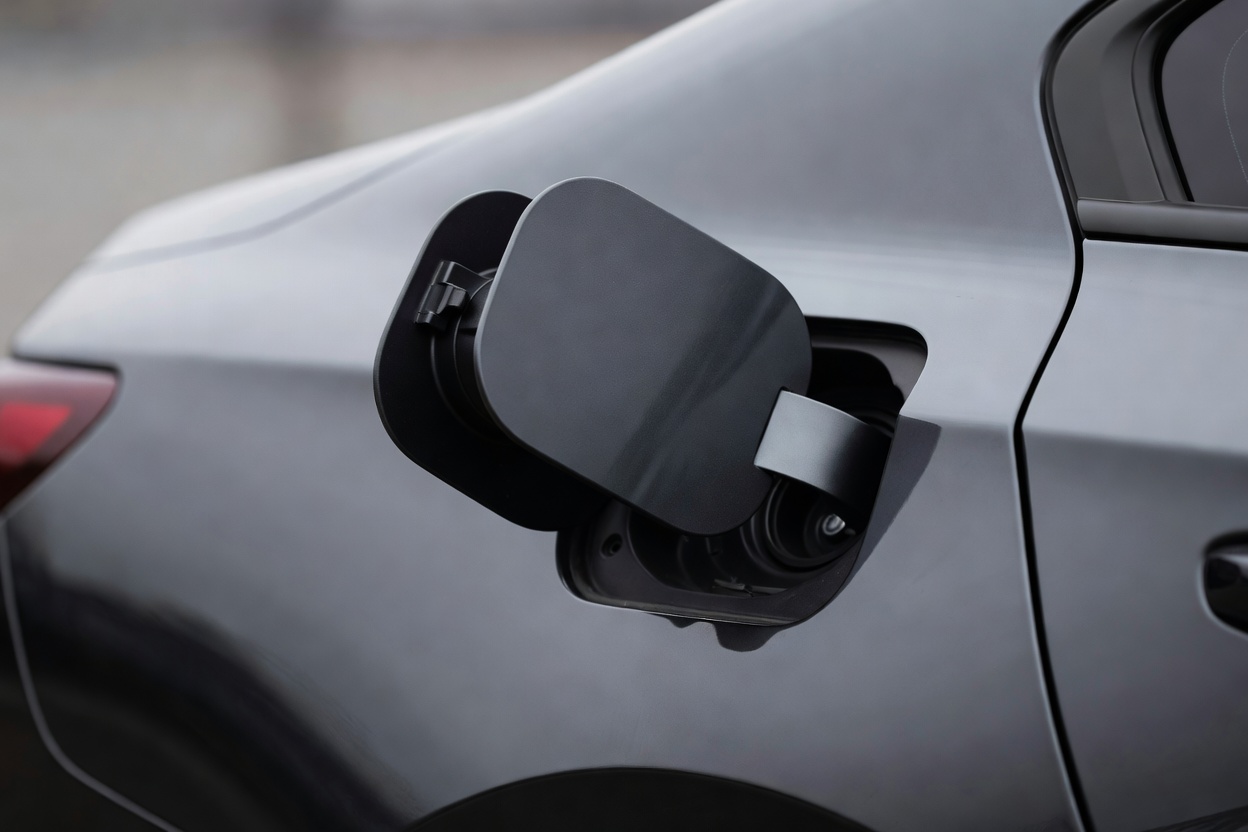
Vous avez l'impression de passer plus souvent à la pompe. C'est une impression difficile à vérifier, parce qu'elle se construit sur des pleins irréguliers, des trajets qui changent et une saison qui a tourné entre-temps.
Une surconsommation est réelle plus souvent qu'on ne le croit, et elle vient plus souvent de quelque chose de gratuit à corriger que d'une panne. La difficulté est de la mesurer avant de la chercher.
Mesurer d'abord, chercher ensuite
L'ordinateur de bord est une estimation, pas une mesure. Il dérive avec le temps, il se recalcule selon des paramètres que vous ne contrôlez pas, et il ne constitue pas une base de comparaison fiable d'une année sur l'autre.
- Faites le plein jusqu'au premier clic du pistolet, sans compléter, et notez le kilométrage.
- Roulez normalement, en évitant de changer volontairement vos habitudes.
- Refaites le plein à la même station et à la même pompe si possible, toujours au premier clic, et notez les litres et le kilométrage.
- Litres divisés par kilomètres, multiplié par cent : votre consommation réelle aux cent kilomètres.
- Recommencez sur deux ou trois pleins avant de conclure quoi que ce soit.
Le premier clic compte plus qu'il n'en a l'air : compléter après l'arrêt automatique remplit un volume variable et rend deux pleins incomparables. Sans cette précaution, vous mesurez surtout votre façon de tenir le pistolet.
Ce qui est gratuit à éliminer
Avant toute hypothèse mécanique, cinq causes de surconsommation coûtent zéro à vérifier et expliquent une grande partie des cas.
- La pression des pneus. Sous-gonflés, ils augmentent le rendement d'un pourcentage à deux chiffres et s'usent plus vite en prime.
- Les barres de toit et le coffre de toit, qui coûtent très cher en aérodynamique sur autoroute, y compris à vide.
- Le poids transporté sans raison, qui pèse surtout en ville et sur les parcours vallonnés.
- Les trajets courts répétés, où le moteur froid consomme nettement plus sur les premiers kilomètres.
- Le filtre à air encrassé, qui est la moins chère des pièces d'entretien.
Le deuxième point surprend souvent. Un coffre de toit laissé à demeure toute l'année parce qu'il est pénible à démonter se paie sur chaque trajet autoroutier de l'année.
Les causes mécaniques d'une surconsommation
Si la mesure confirme une hausse réelle et que rien de ce qui précède ne l'explique, plusieurs pistes reviennent régulièrement.
Une sonde à oxygène fatiguée fausse le dosage sans forcément allumer de voyant. Des injecteurs encrassés dégradent la pulvérisation. Un frein qui reste légèrement appliqué, à cause d'un étrier ou d'une colonnette qui grippe, freine en permanence : cherchez une jante plus sale d'un côté ou une odeur chaude après un trajet. Une géométrie déréglée fait frotter les roues au lieu de les faire rouler droit. Un thermostat bloqué ouvert maintient le moteur trop froid en permanence, ce qui enrichit le mélange sans arrêt.
Ce dernier cas est facile à repérer depuis le tableau de bord : une température qui met très longtemps à monter, ou n'atteint jamais son niveau habituel, mérite un contrôle et se répare pour un montant modeste.
Le cas du diesel
Sur un diesel équipé d'un filtre à particules, une surconsommation régulière accompagnée de trajets courts a une explication précise : le système tente des régénérations qui n'aboutissent jamais.
Chaque tentative injecte du carburant supplémentaire pour élever la température d'échappement. Interrompue par l'arrêt du moteur, elle est recommencée plus tard. Vous payez donc du carburant pour un nettoyage qui ne se termine pas, et le niveau d'huile monte en même temps, ce qui est le signe associé le plus fiable.
Le remède est le même que pour le filtre lui-même : un trajet suffisamment long à vitesse stabilisée, régulièrement.
Le cas de l'électrique
La surconsommation d'un véhicule électrique par temps froid n'a rien d'anormal : sa consommation varie plus fortement avec la température que celle d'un thermique, et une hausse hivernale n'est pas une panne. Le chauffage de l'habitacle et la mise en température de la batterie coûtent réellement de l'énergie.
Deux leviers changent nettement le résultat : préconditionner pendant que le véhicule est encore branché, ce qui puise sur le secteur plutôt que sur la batterie, et utiliser les sièges et le volant chauffants plutôt que de chauffer tout l'habitacle. La vitesse sur autoroute pèse également davantage que sur un thermique.
Quand une surconsommation justifie un diagnostic
Une hausse de quelques pour cent au fil des saisons est normale. Une hausse franche et durable, mesurée plein à plein et non expliquée par les causes gratuites, justifie un diagnostic.
Allez-y avec vos chiffres plutôt qu'avec une impression : trois pleins mesurés, la valeur d'avant si vous l'avez, et la liste de ce que vous avez déjà éliminé. Cela transforme une conversation vague en un point de départ, et cela évite de payer un diagnostic pour découvrir que les pneus étaient sous-gonflés.
Questions fréquentes
Comment mesurer une surconsommation correctement ?
Plein à plein, toujours au premier clic du pistolet et sans compléter, en notant kilométrage et litres. Litres divisés par kilomètres multiplié par cent donne la consommation réelle. L'ordinateur de bord est une estimation qui dérive et ne sert pas de référence.
Quelles causes vérifier en premier ?
Celles qui ne coûtent rien : pression des pneus, barres ou coffre de toit laissés à demeure, poids transporté inutilement, trajets courts répétés et filtre à air encrassé. Elles expliquent une grande partie des cas avant toute hypothèse mécanique.
Quelles pannes font consommer plus ?
Une sonde à oxygène fatiguée, des injecteurs encrassés, un frein qui reste légèrement appliqué, une géométrie déréglée, et un thermostat bloqué ouvert qui maintient le moteur trop froid. Ce dernier se repère à une température qui monte très lentement.
Pourquoi mon diesel consomme-t-il plus en ville ?
Souvent parce que le filtre à particules tente des régénérations qui n'aboutissent jamais sur des trajets courts. Chaque tentative injecte du carburant supplémentaire. Le signe associé le plus fiable est un niveau d'huile qui monte sur la jauge.
Mon électrique consomme plus l'hiver, est-ce normal ?
Oui. Le chauffage de l'habitacle et la mise en température de la batterie coûtent de l'énergie. Préconditionner pendant que le véhicule est branché puise sur le secteur plutôt que sur la batterie, et les sièges chauffants coûtent moins que de chauffer tout l'habitacle.
Lisez-en plus comme ceci
Diagnose it
Odeur de brûlé : ce que chaque odeur désigne
Une odeur de brûlé n'est pas un symptôme unique. Ce qui brûle a une odeur reconnaissable, et l'une d'elles impose de couper le moteur.
Diagnose it
Fumée à l'échappement : ce que la couleur dit
Bleue, blanche ou noire : chaque couleur désigne un liquide différent qui brûle là où il ne devrait pas être.
Diagnose it
Voiture qui ne démarre pas : par où commencer
Le bruit que fait la voiture quand vous tournez la clé désigne déjà la famille de panne. Trois sons, trois directions.
Besoin de pneus ou d'un service ?
Recherchez par immatriculation ou taille, comparez les prix montés des spécialistes locaux, et réservez avec le prix verrouillé.
Trouvez des pneus