
Diagnose it
Car Air Conditioning Not Cold? What That Usually Means
Car air conditioning not cold any more? It rarely breaks suddenly. It fades, and the way it fades tells you whether this is a refrigerant job or something else.
8 最小読み取り
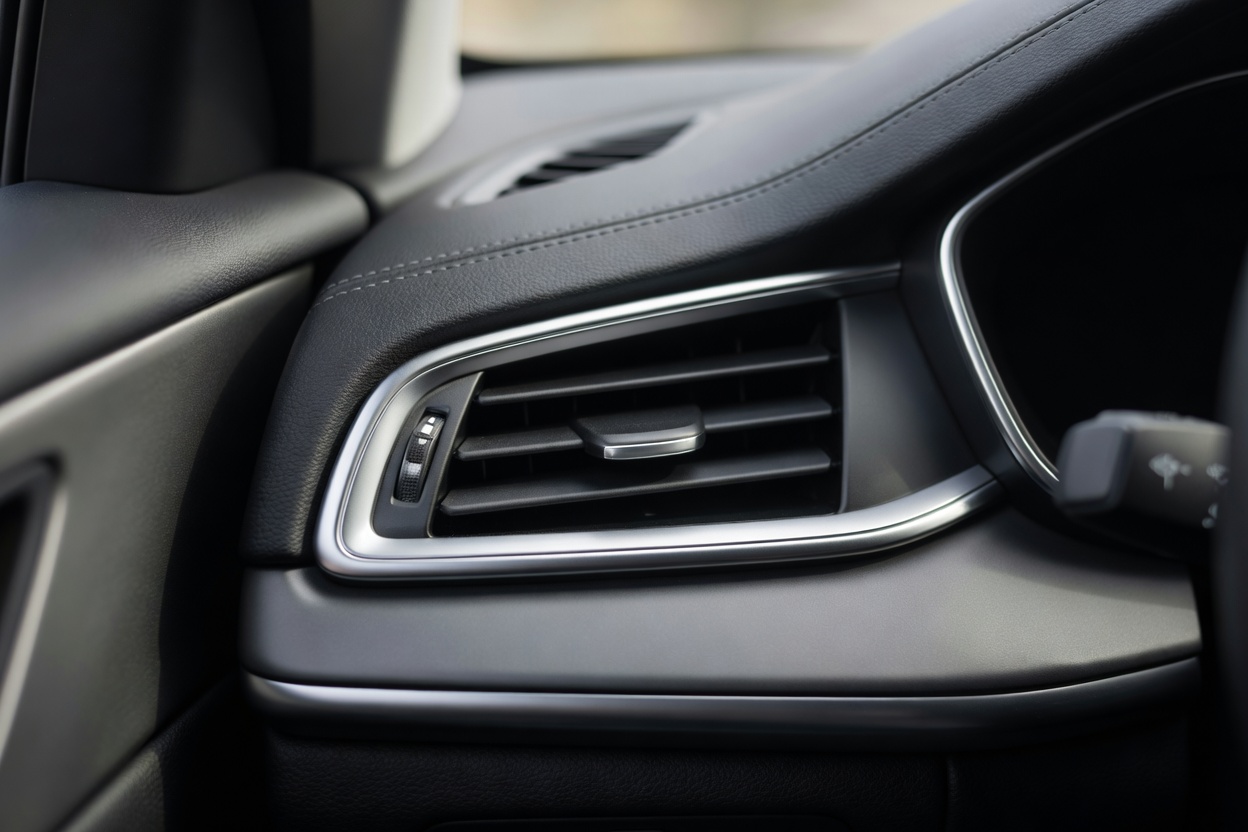
Nobody notices air conditioning getting worse. You notice one hot afternoon that it is blowing air rather than cold air, and you cannot say when that started.
Car air conditioning not cold is almost always a slow story rather than a sudden failure, and the way it has faded points fairly reliably at the cause.
Why it fades instead of failing
An air conditioning system is sealed but not perfectly sealed. Refrigerant escapes slowly through hoses and seals over years, and the system loses performance gradually as the charge drops.
This is normal, expected and designed for, which is why servicing the system is a maintenance item rather than a repair. A system that has never been touched in eight years is not broken. It is empty.
It also explains the most common misconception: that air conditioning only needs attention when it stops working. By then it has usually been underperforming for a couple of summers, and running it low on refrigerant is harder on the compressor than running it properly charged.
What the symptom pattern tells you
Four patterns, four different directions.
- Cools, but not as well as it used to, and no other symptoms: low refrigerant. The routine case.
- Blows cold at speed and warm in traffic: often a condenser cooling or fan problem, because the system needs airflow across the front of the car.
- Cold for a few minutes then warm, repeatedly: can be icing up, which points at moisture in the system rather than simply a low charge.
- No cold at all and the compressor never audibly engages: an electrical fault, a failed compressor, or a charge so low that the pressure switch is protecting the system by refusing to run it.
That last protection is worth knowing about, because it makes a system that is merely empty look completely dead.
What a regas actually is
A proper service is not just adding gas. The system is evacuated, which removes both the old refrigerant and any moisture, then vacuum tested to check it holds, then recharged to the exact weight the manufacturer specifies.
That vacuum test is the part that matters most, because it is what distinguishes a system that has slowly lost charge over years from one with an actual leak. Recharging a leaking system without finding the leak is refilling a bucket with a hole in it, and the refrigerant is the expensive part.
Most services also add a small amount of oil, because the compressor is lubricated by oil circulating with the refrigerant. A system that has been run low for a long time may have been running its compressor short of lubrication, which is the real reason not to ignore it.
The smell is a different problem
If your air conditioning is cold but smells musty when you first switch it on, that is not a refrigerant issue at all.
The system works by condensing moisture out of the air, and that moisture collects on the evaporator behind the dashboard. In a dark, damp, warm place, things grow. The smell is biological rather than mechanical.
Two things help. A cabin filter change, because the filter sits in the same airflow and holds moisture and debris, and it is often years overdue. And a simple habit: switch the air conditioning off a few minutes before the end of a journey while leaving the fan running, which dries the evaporator instead of parking the car with it wet.
Use it in winter, not just summer
The advice that surprises people most is to run the air conditioning through the colder months rather than switching it off until May.
Running it circulates the oil that keeps the compressor seals supple. A system left unused for months at a time loses charge faster, because dried seals leak, and it is the classic reason a system that worked last summer is empty this one.
There is a practical benefit too. Air conditioning removes moisture from the air, so it clears a misted windscreen far faster than heat alone, which is why most cars run it automatically on the demist setting whether you asked for it or not.
What to expect when you take it in
A sensible sequence, so you know whether you are getting a real diagnosis.
- A performance check: measuring the temperature at the vents against what the system should achieve.
- A pressure reading on both sides, which indicates a great deal about what is actually wrong.
- A leak test if pressures are low, rather than an immediate recharge.
- Evacuate, vacuum test, then recharge by weight rather than by feel.
- A cabin filter check, because it affects airflow and it is cheap while everything is open.
If a low system is simply topped up with no leak test, be a little cautious. It may well be fine, and it may equally be next summer's identical bill.
Is it worth fixing?
Three things worth checking yourself first
None of these need tools, and between them they explain a fair share of systems that turn out not to be faulty at all.
- Recirculation. If the car is drawing in hot outside air rather than recycling the cooled air inside, it will struggle on a hot day. Recirculation on gets a hot cabin cold much faster.
- The cabin filter. It sits in the airflow and clogs with leaves and dust, and a blocked one reduces the air reaching you regardless of how cold the system is making it. If airflow has weakened along with the cooling, suspect this before the refrigerant.
- The front of the car. The condenser sits ahead of the radiator and needs air through it. Leaves, plastic bags and insect build-up genuinely reduce performance, and that is the case that cools well at speed and poorly in traffic.
It is also worth confirming the system is actually switched on. On climate control that sets a temperature rather than a fan speed, it is easy to have cooling disabled while the display still shows a comfortable number.
For a routine loss of charge, yes, and for a reason beyond comfort: the system is part of demisting, so it earns its keep in February as well as July.
A failed compressor is a bigger decision and worth pricing properly against the value of the car. What is not worth doing is running a system that is low and noisy in the hope it improves, because the compressor is the expensive component and refrigerant is what keeps it lubricated.
よくある質問
Why is my car air conditioning not cold any more?
Most often the refrigerant charge has slowly dropped, which is normal over several years because the system is sealed but not perfectly sealed. If it also blows warm only in traffic, or cools then warms repeatedly, that points at airflow or moisture rather than simply a low charge.
How often should air conditioning be serviced?
Treat it as maintenance rather than a repair, on a period the manufacturer or a specialist recommends, rather than waiting for it to stop being cold. By the time you notice, it has usually been underperforming for a season or two.
Why does my aircon smell musty?
That is biological rather than mechanical. The system condenses moisture onto the evaporator behind the dashboard, and things grow in a dark damp space. A cabin filter change helps, and so does switching the cooling off a few minutes before the end of a journey with the fan still running.
Should I use air conditioning in winter?
Yes. Running it circulates the oil that keeps the compressor seals supple, and systems left unused for months lose charge faster. It also removes moisture from the air, so it clears a misted windscreen much faster than heat alone.
Is a regas enough to fix it?
If the system has slowly lost charge over years, yes. If it has an actual leak, recharging without finding it just refills a bucket with a hole in it. A proper service includes a vacuum test precisely to tell those two apart.
このような記事をもっと読む
Diagnose it
Burning Smell From Car? What Each One Usually Means
A burning smell from car vents or under the bonnet has a handful of likely causes, and they are not equally urgent. Here is how to tell which one you probably have.
Diagnose it
Car Pulls to One Side? Work Through It in This Order
When a car pulls to one side the causes run cheap to expensive in a predictable order. Here is how to work through them without paying for the wrong one.
Diagnose it
Clunking Noise Over Bumps? What the Suspension Is Telling You
A clunking noise over bumps is your suspension reporting play somewhere. Here is how to narrow it down by when and where you hear it, before you pay anyone.
タイヤまたはサービスが必要ですか?
登録番号またはサイズで検索し、地元の専門家からの取り付け価格を比較し、価格をロックして予約します。
タイヤを見つける