
Buying and selling
How to Sell Your Car Privately Without the Usual Hassle
How to sell your car privately: what actually adds money, what wastes it, and how to handle viewings and payment so the whole thing stays straightforward.
8 最小読み取り
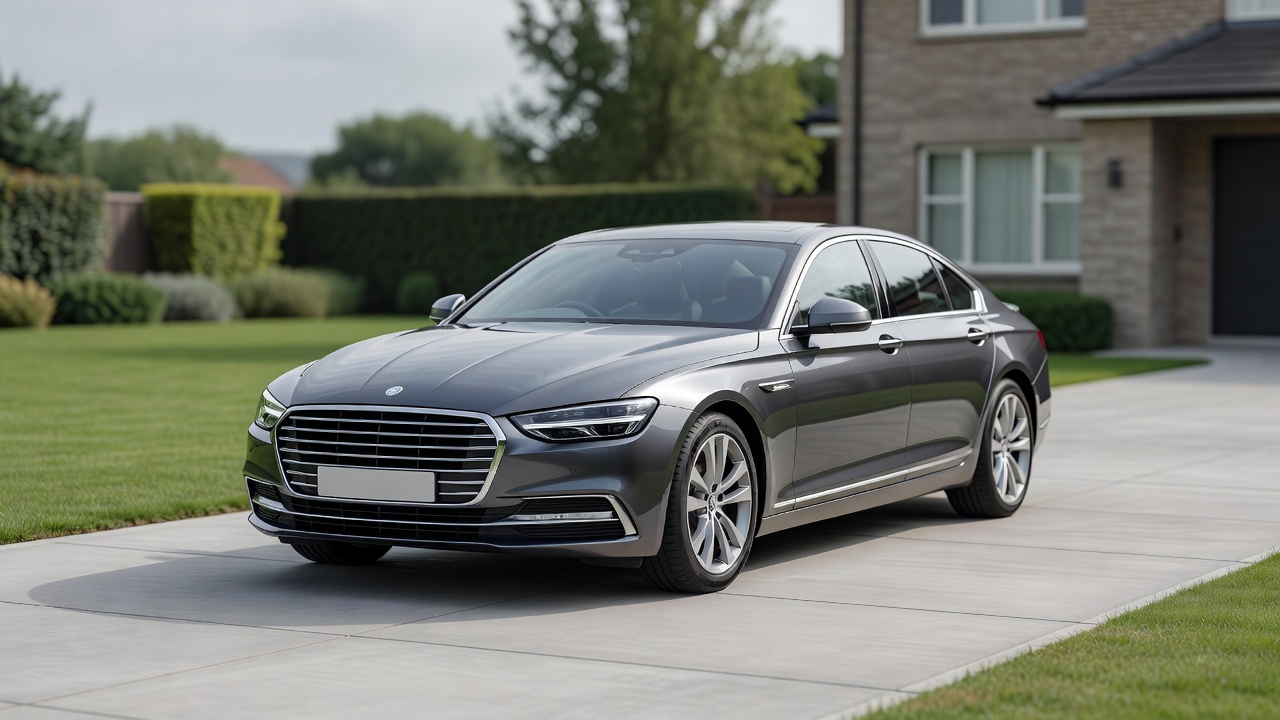
Selling privately gets you meaningfully more than trading in, and the reason most people avoid it is not the money. It is the prospect of strangers, time-wasters and an awkward conversation about payment.
How to sell your car privately is largely about front-loading the work. Most of the hassle people describe comes from an advert that attracts the wrong buyers, and that is fixable before anybody calls.
The preparation that actually adds money
Not everything is worth doing. A rough guide is that anything a buyer can verify is worth doing, and anything they cannot is not.
- A proper clean, inside and out, including the boot and the door shuts. This is the highest return per pound spent, by a wide margin.
- Gather every document: registration, service records, invoices, inspection certificates, both keys, the handbook and the locking wheel nut key.
- Fix the small things that read as neglect: a blown bulb, an empty washer bottle, a warning light, worn wipers.
- Sort the tyres if they are close to the limit. A buyer prices a set of tyres into their offer at more than they cost you.
- Get the service done if it is due, and keep the invoice. Due-now maintenance is money off in the buyer's head.
What is generally not worth it: repairing significant mechanical faults, professional paint correction, or new parts a buyer cannot see. You rarely recover the cost, and being upfront about a known fault is worth more than half-fixing it.
Pricing it so the phone rings
Look at what comparable cars are actually advertised for, not what one optimistic listing asks. Match age, mileage, specification and condition as closely as you can, and note how long the cheap ones have been listed.
Then decide what you want the price to do. Pricing slightly below the cluster of similar cars gets you calls in days rather than weeks and usually nets more than a high price slowly reduced, because a listing that has been up for two months starts to look like a car with a problem.
Leave a small, honest margin for negotiation. Most private buyers expect to move the price a little, and a listing that says the price is fixed narrows your audience for very little gain.
An advert that filters buyers for you
The single biggest reduction in hassle comes from writing an advert that answers questions before they are asked, because vague adverts attract exactly the people you do not want.
- Take a lot of photographs in daylight, from every angle, including the interior, the boot, the tyres and the wheels.
- Photograph the flaws too. A visible scuff in the advert stops it becoming a negotiation on the driveway.
- State the mileage, the service history, when the tyres were done, and the date the inspection runs out.
- Say why you are selling. Buyers ask it anyway, and answering it up front reads as confident.
- List the known faults plainly. It costs less than you think and removes almost all the awkwardness later.
An honest advert with twenty photographs gets fewer calls than a vague one with four, and a far higher proportion of those calls are from people who intend to buy.
Viewings, sensibly
You do not need to be nervous about this, but a few habits make it straightforward.
Meet at your home if you are comfortable with it, since your address is on the documents anyway, and in daylight so the car is seen properly. Have someone else around. Ask to see a driving licence before any test drive, and check your insurance position, because arrangements vary and assuming is the mistake.
Go with them on the drive. It is normal, it is expected, and it lets you answer questions as they come up rather than afterwards over the phone.
Getting paid without the awkward bit
This is the part people worry about most and it is the easiest to make safe.
An electronic bank transfer that you have confirmed has arrived in your account is the straightforward answer. Not a screenshot, not a pending notification, not a promise, and not a payment you have only seen on the buyer's phone. Confirmed in your own banking app, from your own device.
Be wary of anything unusual: overpayments with a request to refund the difference, payment from a third party, or urgency about handing over the keys before funds clear. None of that is normal in a private sale, and the answer to all of it is simply to wait until the money is genuinely there.
Write two copies of a short receipt with the date, the price, both names and addresses, the registration and mileage, and the words sold as seen. Both parties sign, both keep one.
The paperwork, and doing it the same day
Notify the relevant authority that you have sold the car on the day it leaves, using whatever process applies where you live. Until that is done the car is still recorded as yours, and anything it does is your problem to untangle.
Cancel or transfer your insurance, deal with any road tax refund or transfer, and remove anything of yours from the car, including saved home addresses in the navigation and any paired phone data. That last one gets forgotten constantly.
Hand over both keys, all the documents and the service history. Keeping a photocopy of the receipt and the completed transfer is worth doing for your own records.
Is it worth it compared to trading in?
Selling privately typically gets more than a trade-in or an instant online offer, and the gap widens on desirable, well-documented cars. It costs you a weekend of messages and one or two viewings.
The honest exception is a car with real problems, a thin history, or a very common specification with lots of competition. In those cases the convenience of a guaranteed offer may genuinely be worth the difference, and there is no virtue in grinding through six viewings to gain very little.
よくある質問
What should I do before selling my car privately?
Clean it properly inside and out, gather every document including both keys and the service history, and fix the small things that read as neglect. Sort tyres that are close to the limit, because a buyer prices a set into their offer at more than they cost you.
How do I price a car for private sale?
Compare against what similar cars are actually advertised for, matched on age, mileage and specification, and note how long the cheap ones have sat. Pricing slightly under the cluster usually nets more than a high price reduced slowly, because a stale listing starts to look like a problem car.
Is it safe to take payment for a car?
Yes, if you only accept a bank transfer you have confirmed has arrived in your own account, in your own banking app. Not a screenshot, not a pending notification, and not a payment seen only on the buyer's phone. Anything urgent or unusual is a reason to wait.
Should I mention faults in the advert?
Yes. Listing known faults plainly costs less than you expect and removes most of the awkwardness later, because it stops a fault becoming a negotiation on your driveway. An honest advert attracts fewer calls but far more genuine buyers.
Is selling privately worth it over trading in?
Usually yes, and the gap widens on desirable, well-documented cars. The honest exception is a car with real problems, thin history or heavy competition, where the convenience of a guaranteed offer may be worth the difference.
このような記事をもっと読む
Buying and selling
Buying From a Dealer or Privately: What You Gain and Give Up
Buying from a dealer or privately is a trade between price and protection. Here is what each side actually gets you, and when the cheaper route costs more.
Buying and selling
Car Depreciation Explained: The Cost Nobody Sends You a Bill For
Car depreciation is usually the largest cost of ownership and the least visible. Here is how it behaves, what accelerates it, and how to lose less to it.
Buying and selling
Petrol, Diesel, Hybrid or Electric: Which Suits How You Drive?
Petrol, diesel, hybrid or electric? The right answer depends on your journeys and where you park, not on which technology is winning. Here is how to work it out.
タイヤまたはサービスが必要ですか?
登録番号またはサイズで検索し、地元の専門家からの取り付け価格を比較し、価格をロックして予約します。
タイヤを見つける