
Diagnose it
Rauch aus dem Auspuff: Was die Farbe bedeutet
Blauer, weißer oder schwarzer Rauch aus dem Auspuff bedeutet jeweils etwas anderes. Und eine der drei Farben ist meist völlig harmlos.
8 min lesen
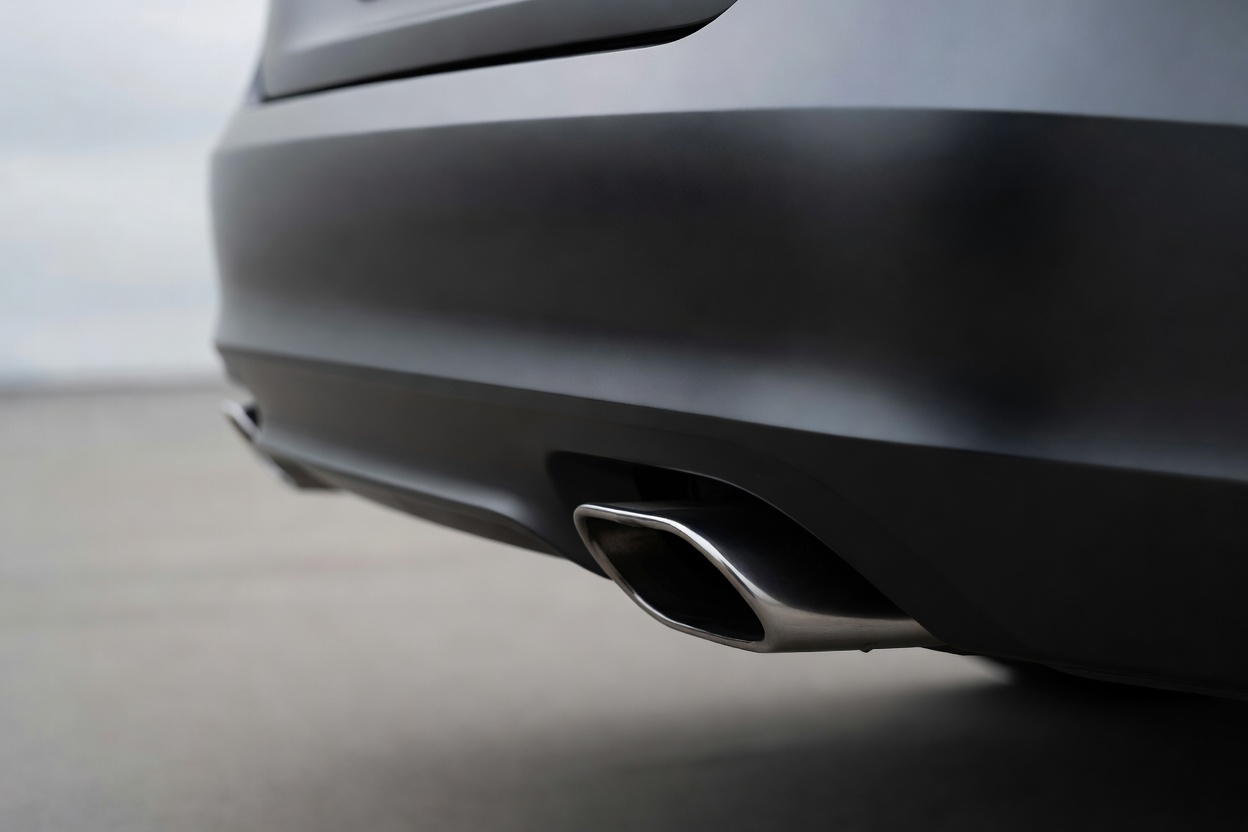
Jemand hat Sie darauf angesprochen, oder Sie haben es selbst in einer Schaufensterscheibe gesehen. Die erste Frage lautet, ob das ernst ist.
Rauch aus dem Auspuff gehört zu den besser lesbaren Symptomen eines Fahrzeugs, denn die Farbe grenzt die Ursache erheblich ein, und der Zeitpunkt tut es ebenfalls. Eine der drei Farben ist zudem sehr oft überhaupt kein Problem.
Weiß: meist nichts, gelegentlich ernst
Damit anfangen, weil weißer Rauch aus dem Auspuff in beide Richtungen am häufigsten falsch gedeutet wird.
Dünner weißer Dampf an einem kalten Morgen, der nach ein bis zwei Minuten Fahrt verschwindet, ist Kondenswasser. Verbrennung erzeugt Wasser, die Anlage ist kalt, das Wasser kondensiert, und man sieht es. An einem kalten feuchten Tag ist das völlig normal und überhaupt kein Rauch.
Dichter weißer Rauch, der bei warmem Motor bleibt, ist etwas anderes. Riecht er süßlich und verschwindet nicht, deutet das darauf hin, dass Kühlmittel in den Brennraum gelangt, also auf die Zylinderkopfdichtung oder Schlimmeres. Die unterscheidenden Fragen lauten: Verschwindet er mit der Erwärmung, riecht er süßlich statt nach Abgas, und sinkt der Kühlmittelstand?
Blau: Öl verbrennt mit
Blauer oder blaugrauer Rauch, oft mit stechendem Geruch, bedeutet, dass Motoröl in den Brennraum gelangt und mit dem Kraftstoff verbrennt.
Wann er auftritt, sagt viel. Blauer Rauch beim Start, der nach wenigen Sekunden verschwindet, deutet meist auf Ventilschaftdichtungen, an denen Öl im Stand vorbeisickert. Blauer Rauch beim Beschleunigen oder unter Last weist eher auf Kolbenringe oder Zylinderlaufbahnen. Bei aufgeladenen Motoren kann blauer Rauch im Schubbetrieb auf die Turbolader-Dichtungen hindeuten.
Nichts davon ist ein sofortiger Notfall, und alles davon bedeutet, dass der Motor Öl verbraucht. Die praktische Folge ist, dass Sie den Ölstand deutlich häufiger prüfen müssen als sonst, denn einen Motor mit zu wenig Öl zu fahren beendet ihn schnell und leise.
Schwarz: zu viel Kraftstoff
Schwarzer rußiger Rauch bedeutet, dass der Motor zu fett läuft und mehr Kraftstoff verbrennt, als er sauber umsetzen kann.
Beim Benziner kommen ein zugesetzter Luftfilter, eine fehlerhaft meldende Lambdasonde oder ein schlecht zerstäubender Injektor infrage. Meist kommt schlechterer Verbrauch dazu und häufig die Motorkontrollleuchte, denn genau diese Werte überwacht das Fahrzeug.
Beim Diesel galt eine schwarze Wolke unter starker Beschleunigung früher als normal. Bei einem modernen Diesel mit Partikelfilter ist sie das nicht, und anhaltender schwarzer Rauch deutet entweder auf ein Gemischproblem oder auf einen Filter, der seine Arbeit nicht tut. In beiden Fällen gehört es untersucht statt als Dieselverhalten hingenommen.
Der Zeitpunkt zählt so viel wie die Farbe
- Nur beim Kaltstart, verschwindet schnell: am wenigsten bedenklich, meist Kondenswasser oder Ventilschaftdichtungen.
- Nur unter starker Beschleunigung: beim Benziner Gemisch, bei blauem Rauch Ringe und Laufbahnen.
- Durchgehend bei jeder Temperatur: das gewichtigste Muster und ein Grund zu handeln.
- Im Schubbetrieb nach längerer Last: bei aufgeladenen Motoren häufig turbobezogen.
- Nach einigen Tagen Standzeit und dann verschwindend: meist Öl, das im Stand an Dichtungen vorbeisickert.
Notieren Sie beim Rauch aus dem Auspuff Farbe, Zeitpunkt und ob es schlimmer geworden ist. Diese drei Angaben grenzen mehr ein als alles andere, was Sie beitragen können.
Was Sie vorher selbst prüfen können
- Den Ölstand. Blauer Rauch mit sinkendem Stand bestätigt den Verbrauch, blauer Rauch bei stabilem Stand ist ein Grund, genauer hinzusehen.
- Den Kühlmittelstand. Weißer Rauch mit sinkendem Kühlmittel ist die Kombination, die zählt.
- Öleinfülldeckel und Messstab auf eine dicke helle Emulsion, was zusammen mit weißem Rauch die Kühlmittel-Erklärung stützt.
- Den Luftfilter, der günstig ist und eine echte Ursache für schwarzen Rauch.
- Ob die Motorkontrollleuchte an ist, denn schwarzer Rauch bringt sie meist mit.
Diese fünf Kontrollen kosten nichts und machen aus einer vagen Sorge etwas Konkretes genug, um jemandes Zeit wert zu sein.
Auspuffrauch und die Abgasuntersuchung
Ein Punkt, der in Deutschland konkreter ist als anderswo: Die Abgasuntersuchung ist Teil der Hauptuntersuchung, und sichtbarer Rauch ist dort selten folgenlos.
Benziner und Diesel rauchen nicht gleich
Dieselbe Farbe kann je nach Kraftstoff Verschiedenes bedeuten, was vor jeder Schlussfolgerung mitzudenken ist.
Ein moderner Diesel mit Partikelfilter sollte im normalen Betrieb praktisch keinen sichtbaren Rauch aus dem Auspuff abgeben. Alles Sichtbare ist damit ein Signal, einschließlich der schwarzen Wolke unter Beschleunigung, für die ältere Diesel bekannt waren und die ein gefilterter nicht mehr produzieren sollte. Sichtbarer Rauch zusammen mit einer Warnleuchte deutet beim Diesel sehr oft auf den Filter statt auf den Motor.
Ein Benziner hat keinen solchen Filter, weshalb ein kurzer Stoß bei einem harten Start oder an einem sehr kalten Morgen weniger zu bedeuten hat. Beim Benziner zählt die Dauerhaftigkeit: Rauch, der bei warmem Motor noch da ist oder unter Last regelmäßig auftritt, ist die Variante, die untersucht gehört.
Auch das Alter spielt hinein. Bei einem Fahrzeug mit hoher Laufleistung ist ein leichter Ölverbrauch nicht ungewöhnlich und wird bis zu einer vom Hersteller genannten Menge sogar als normal betrachtet. Entscheidend ist nicht, ob Öl verbraucht wird, sondern wie viel und ob es zunimmt.
Gemessen werden je nach Fahrzeug Abgaswerte oder, beim Diesel, die Trübung. Ein Fahrzeug, das im Alltag deutlich raucht, fällt dabei auf, auch wenn es sich völlig normal fährt. Dazu kommt, dass ein gelöschter Fehlerspeicher die Bereitschaftscodes mitnimmt, was ebenfalls zur Beanstandung führt.
Wer ohnehin einen Termin vor sich hat und Rauch bemerkt, klärt ihn deshalb besser vorher. Eine Nachuntersuchung kostet Zeit und Gebühr, und die Ursache wäre in beiden Fällen zu beheben gewesen.
Häufige Fragen
Ist weißer Rauch aus dem Auspuff normal?
Dünner weißer Dampf an einem kalten Morgen, der nach ein bis zwei Minuten verschwindet, ist Kondenswasser und völlig normal. Dichter weißer Rauch, der bei warmem Motor bleibt, süßlich riecht und mit sinkendem Kühlmittelstand einhergeht, ist etwas anderes.
Was bedeutet blauer Rauch?
Dass Motoröl in den Brennraum gelangt und mitverbrennt. Nur beim Start deutet es meist auf Ventilschaftdichtungen, unter Last eher auf Kolbenringe, im Schubbetrieb bei aufgeladenen Motoren auf den Turbolader. In jedem Fall den Ölstand deutlich häufiger prüfen.
Was verursacht schwarzen Rauch?
Ein zu fettes Gemisch. Beim Benziner kommen zugesetzter Luftfilter, eine fehlerhafte Lambdasonde oder ein schlecht zerstäubender Injektor infrage. Bei einem modernen Diesel mit Partikelfilter ist anhaltender schwarzer Rauch nicht normal und gehört untersucht.
Welche Farbe ist am dringendsten?
Dichter weißer Rauch zusammen mit sinkendem Kühlmittelstand. Diese Kombination kann eine Zylinderkopfdichtung sein, die reparierbar ist, solange man sie erwischt, und weiterzufahren macht daraus einen verzogenen Kopf oder einen festen Motor.
Fällt ein rauchendes Fahrzeug durch die Hauptuntersuchung?
Die Abgasuntersuchung ist Teil der HU, und ein Fahrzeug, das im Alltag deutlich raucht, fällt dort meist auf, auch wenn es sich normal fährt. Wer vor einem Termin Rauch bemerkt, klärt ihn besser vorher als über eine Nachuntersuchung.
Mehr lesen wie dies
Diagnose it
Auto riecht verbrannt: Was welcher Geruch bedeutet
Wenn das Auto verbrannt riecht, sagt die Art des Geruchs mehr als der Geruch selbst. Fünf Gerüche, fünf verschiedene Ursachen.
Diagnose it
Klimaanlage kühlt nicht mehr: Was das meistens heißt
Die Klimaanlage kühlt nicht plötzlich schlechter, sondern über Jahre. Wie sie nachlässt, verrät ziemlich zuverlässig die Ursache.
Diagnose it
Auto zieht nach rechts: Woran es meistens liegt
Wenn das Auto zieht, ist es selten die Lenkung. Reifendruck, Bremse und Spur erklären fast alle Fälle, und einer davon ist normal.
Brauchen Sie Reifen oder einen Service?
Suchen Sie nach Kennzeichen oder Reifengröße, vergleichen Sie Komplettpreise lokaler Spezialisten und buchen Sie zum festgelegten Preis.
Finden Sie Reifen