
Servicing
Dieselpartikelfilter: Warum Kurzstrecke ihn ruiniert
Der Dieselpartikelfilter reinigt sich selbst, aber nur wenn das Fahrzeug heiß genug und lang genug läuft. Genau daran scheitern viele.
9 min lesen
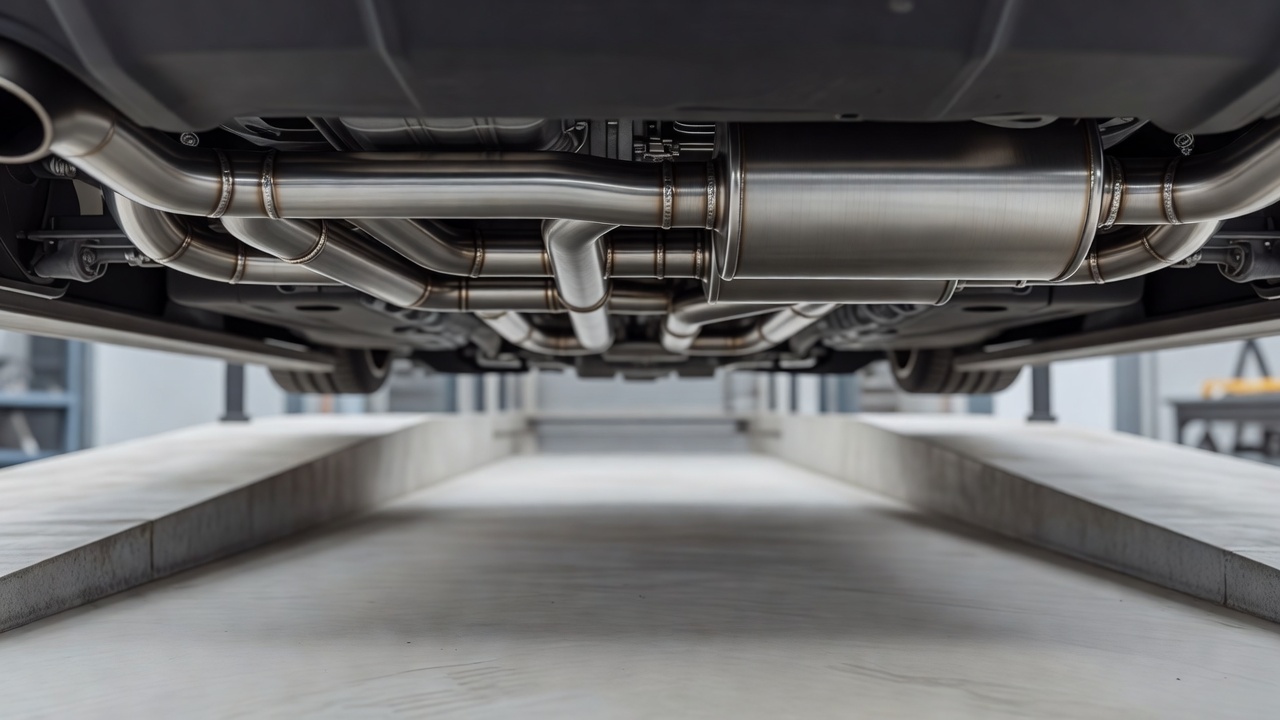
Wer einen modernen Diesel fährt und überwiegend kurze Strecken zurücklegt, sollte diesen Punkt kennen. Er ist auch der häufigste Grund für eine große, vermeidbare Rechnung.
Der Dieselpartikelfilter ist kein wartungsfreies Bauteil, das man ignorieren kann. Er braucht eine bestimmte Art zu fahren, um gesund zu bleiben, und sehr viele Halter erfahren das nie.
Was er macht
Dieselverbrennung erzeugt Ruß. Der Dieselpartikelfilter sitzt im Abgasstrang und hält diesen Ruß zurück, statt ihn in die Luft zu lassen, weshalb moderne Diesel nicht mehr die schwarzen Wolken produzieren wie ältere.
Das offensichtliche Problem am Zurückhalten ist, dass der Filter voll wird. Die Lösung heißt Regeneration: Bei ausreichend hoher Abgastemperatur verbrennt der eingelagerte Ruß zu einer viel kleineren Menge Asche, und der Filter ist praktisch geleert.
Diese ganze Konstruktion setzt voraus, dass das Fahrzeug diese Temperaturen regelmäßig erreicht. Wenn es das tut, kümmert sich der Filter jahrelang selbst um sich, und Sie denken nie an ihn. Wenn nicht, füllt er sich, und alles Weitere folgt daraus.
Warum Kurzstrecke das Problem ist
Der Dieselpartikelfilter braucht für eine Regeneration Dauerbetrieb: vernünftiges Tempo, Motor auf Betriebstemperatur, lange genug, um den Vorgang abzuschließen.
Ein Fahrzeug mit vielen kurzen kalten Fahrten kommt dort nie hin. Schlimmer noch: Häufig startet das Auto eine Regeneration unterwegs, und die Fahrt endet, bevor sie fertig ist. Eine abgebrochene Regeneration ist nicht neutral. Sie verbrennt zusätzlichen Kraftstoff, trägt unverbrannten Kraftstoff ins Motoröl ein und lässt den Filter voller zurück, als er vorher war.
Wiederholen Sie das ein paar Dutzend Mal, und der Filter erreicht einen Füllstand, den das Fahrzeug allein nicht mehr abbauen kann. Genau an diesem Punkt erscheint die Warnleuchte, und ab hier kosten die Möglichkeiten Geld.
Woran Sie eine laufende Regeneration erkennen
Die meisten Fahrzeuge sagen es nicht an, aber die Anzeichen sind deutlich, wenn man sie kennt.
- Der Motorlauf verändert sich leicht und die Leerlaufdrehzahl liegt etwas höher als sonst.
- Der Kühlerlüfter läuft kräftig, manchmal noch nach dem Abstellen.
- Ein heißer, scharfer Geruch, deutlich anders als normales Abgas.
- Der Verbrauch ist kurzzeitig spürbar höher.
- Die Start-Stopp-Automatik arbeitet nicht und eine automatische Motorabschaltung bleibt aus.
Wenn Sie das bemerken, ist die nützliche Reaktion, weitere zehn bis fünfzehn Minuten gleichmäßig weiterzufahren statt zu parken. Den Vorgang beenden zu lassen ist der ganze Punkt.
Die Warnleuchte und was jetzt zu tun ist
Eine DPF-Leuchte bedeutet meist, dass der Filter voller ist als vorgesehen und das Fahrzeug eine ordentliche Fahrt möchte, um ihn freizubrennen. In diesem Stadium kostet die Lösung nichts.
Fahren Sie zwanzig bis dreißig Minuten gleichmäßig auf freier Strecke, in einem Gang, der die Drehzahl etwas höher hält. Viele Fahrzeuge löschen die Leuchte während dieser Fahrt selbst. Ein Blick ins Handbuch lohnt, denn manche Hersteller nennen eine bestimmte Geschwindigkeit oder Drehzahl.
Was zählt, ist, sie nicht zu ignorieren. Steigt der Füllstand weiter, geht das Fahrzeug typischerweise in ein Notlaufprogramm, und danach braucht der Filter eine erzwungene Regeneration in der Werkstatt oder, wenn es zu weit ging, eine Reinigung oder einen Austausch. Der Kostenunterschied zwischen der kostenlosen und der letzten Möglichkeit ist erheblich.
Asche, und warum kein Filter ewig hält
Im Dieselpartikelfilter verwandelt die Regeneration Ruß in Asche, und Asche verbrennt nicht. Sie sammelt sich dauerhaft an.
Auch ein perfekt gepflegter Filter hat deshalb eine begrenzte Lebensdauer, bei passender Nutzung allerdings eine lange. Dramatisch verkürzt wird sie durch Ölasche, weshalb Diesel mit Partikelfilter ein aschearmes Öl vorschreiben. Normales Öl zu verwenden ist keine Ersparnis, es lagert Asche ein, die der Filter niemals abbauen kann, und verkürzt seine Lebensdauer messbar.
Das ist eines der stärksten Argumente für die korrekte Ölfreigabe statt des günstigsten Angebots, und es ist unsichtbar, bis es das nicht mehr ist.
War der Diesel überhaupt die richtige Wahl?
Ehrliche Antwort: Wenn Ihr Fahrprofil überwiegend aus kurzen Wegen besteht, war ein Diesel mit Partikelfilter vermutlich die falsche Entscheidung, und kein noch so sorgfältiger Umgang macht sie zur richtigen.
Das darf man wissen, statt sich darüber zu ärgern. Wer bereits einen fährt, löst es über das Verhalten: regelmäßig, am besten wöchentlich, eine längere Fahrt mit gleichmäßigem Tempo einplanen und diese als Wartung behandeln statt als Besorgung.
Wer noch wählt und kurze Strecken fährt, nimmt einen Benziner oder Hybrid und hat dieses Thema nie.
Was man nicht tun sollte
Das Entfernen oder Aushöhlen eines Dieselpartikelfilters wird angeboten, und es ist in jeder Hinsicht eine schlechte Idee.
Es ist für den Straßenverkehr unzulässig, führt bei der Abgasuntersuchung im Rahmen der Hauptuntersuchung zur Beanstandung, kann Betriebserlaubnis und Versicherungsschutz betreffen und macht das Fahrzeug für jeden Käufer, der nachsieht, deutlich schwerer verkäuflich. Die Ersparnis gegenüber einer ordentlichen Reinigung ist außerdem kleiner, als sie aussieht, sobald man die Folgen mitrechnet.
Die mittlere Möglichkeit ist die Reinigung, nach der man ausdrücklich fragen sollte. Eine fachgerechte Reinigung ist erheblich günstiger als ein neuer Filter und funktioniert bei vielen Filtern, die zugesetzt, aber nicht beschädigt sind. Das ist ein Gespräch, das sich vor der Annahme eines Austauschangebots lohnt.
Die Kurzfassung
Wenn Ihr Fahrzeug ein Diesel ist, finden Sie heraus, wo die DPF-Leuchte sitzt und wie sie aussieht. Planen Sie regelmäßig eine längere Fahrt mit gleichmäßigem Tempo ein, statt nur kurze Strecken zu fahren. Verwenden Sie die Ölfreigabe, die der Hersteller nennt.
Wer das tut, denkt über den Dieselpartikelfilter nie nach. Wer es lässt, hat eines der teureren Bauteile am Fahrzeug in der Hand.
Häufige Fragen
Was ist ein Dieselpartikelfilter?
Ein Bauteil im Abgasstrang, das den Ruß der Dieselverbrennung zurückhält statt ihn abzugeben. Er leert sich selbst über die Regeneration, bei der hohe Abgastemperaturen den eingelagerten Ruß zu einer sehr viel kleineren Menge Asche verbrennen.
Warum schadet Kurzstrecke dem Partikelfilter?
Die Regeneration braucht Dauerbetrieb bei Temperatur, um fertig zu werden. Kurze Fahrten erreichen das nie und brechen den Vorgang häufig ab, was zusätzlichen Kraftstoff verbrennt, Kraftstoff ins Öl einträgt und den Filter voller zurücklässt als vorher.
Was tun, wenn die DPF-Leuchte angeht?
Zwanzig bis dreißig Minuten gleichmäßig auf freier Strecke fahren, in einem Gang, der die Drehzahl etwas höher hält. Viele Fahrzeuge löschen die Leuchte dabei selbst. Ignorieren führt zu Notlauf und danach zu erzwungener Regeneration, Reinigung oder Austausch.
Woran erkenne ich eine laufende Regeneration?
Die Leerlaufdrehzahl liegt etwas höher, der Lüfter läuft kräftig, es riecht heiß und scharf, der Verbrauch steigt kurzzeitig und die Start-Stopp-Automatik arbeitet nicht. Dann noch zehn bis fünfzehn Minuten weiterfahren statt zu parken.
Kann man den Partikelfilter entfernen lassen?
Es wird angeboten und ist eine schlechte Idee: unzulässig für den Straßenverkehr, Beanstandung bei der Abgasuntersuchung, mögliche Folgen für Betriebserlaubnis und Versicherung, und schwerer verkäuflich. Die Reinigung ist die deutlich günstigere Zwischenlösung, nach der man fragen sollte.
Mehr lesen wie dies
Servicing
Filter im Auto: Welcher wofür und was er kostet
Vier Filter im Auto erledigen vier verschiedene Aufgaben, und nur einer davon hat mit der Luft zu tun, die Sie atmen.
Servicing
Kühlmittel und Frostschutz: Warum die Farbe nichts sagt
Kühlmittel schützt nicht nur vor Frost, sondern vor allem vor Korrosion. Und die Farbe ist ein Farbstoff, keine Spezifikation.
Servicing
Achsvermessung: Woran Sie erkennen, dass sie fällig ist
Ob eine Achsvermessung nötig ist, verraten die Reifen zuverlässiger als das Lenkgefühl. Das können Sie in zwei Minuten selbst prüfen.
Brauchen Sie Reifen oder einen Service?
Suchen Sie nach Kennzeichen oder Reifengröße, vergleichen Sie Komplettpreise lokaler Spezialisten und buchen Sie zum festgelegten Preis.
Finden Sie Reifen