
Servicing
Zündkerzen wechseln: Was verschlissene Kerzen kosten
Zündkerzen wechseln steht selten dringend an und lohnt sich trotzdem, weil verschlissene Kerzen leise Verbrauch und Zündspulen kosten.
8 min lesen
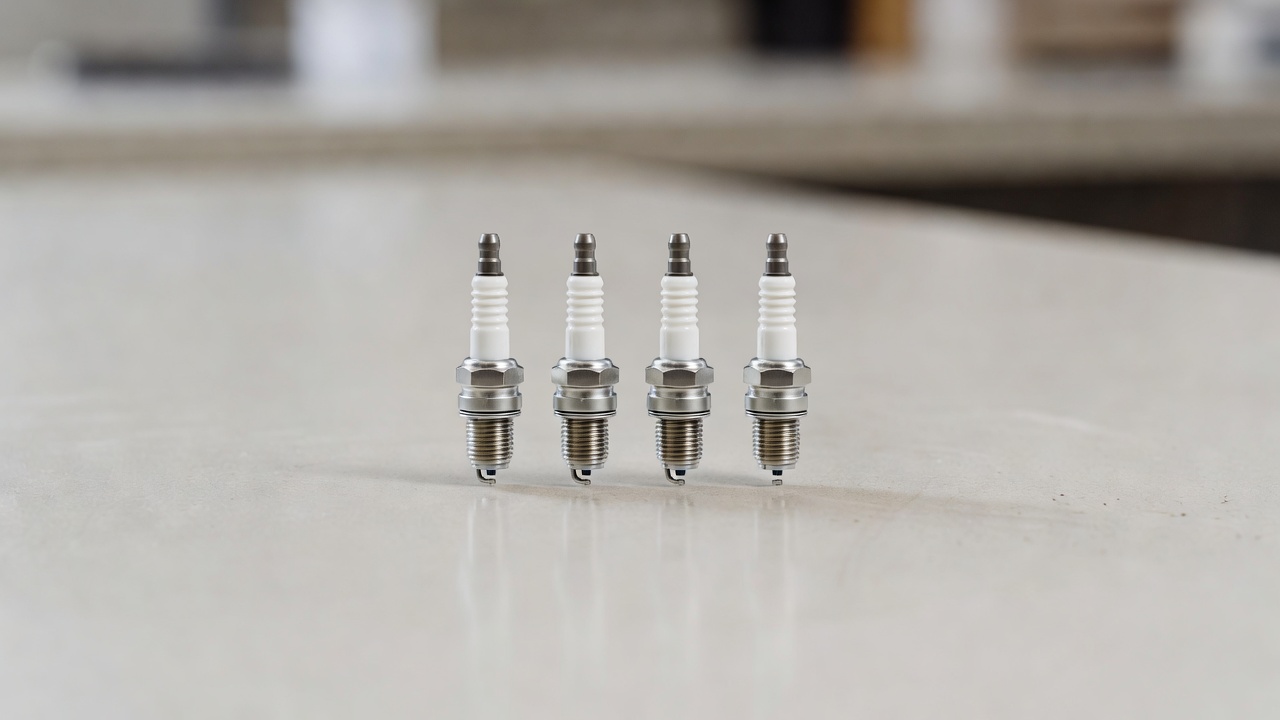
Zündkerzen wechseln ist der klassische leise Wartungsposten. Sie fallen nicht aus, sie lassen nach, und weil das über Zehntausende Kilometer geschieht, fühlt sich das Auto heute genauso an wie gestern.
Das Ergebnis ist, dass viele nach dem Zündkerzen wechseln überrascht feststellen, wie viel besser das Fahrzeug läuft, und begreifen, dass sie ein Jahr lang etwas leicht Schlechteres gefahren haben.
Was sie tun und warum sie verschleißen
Eine Zündkerze liefert den Funken, der das Gemisch entzündet, tausende Male pro Minute, unter extremer Hitze und extremem Druck.
Jeder dieser Funken trägt die Elektrode ein winziges Stück ab. Mit wachsendem Abstand braucht der Funke eine höhere Spannung, um überzuspringen. Irgendwann arbeitet die Zündanlage hart für das, was ihr früher leichtfiel, und an einzelnen Zylindern gelingt es gelegentlich nicht ganz.
Das ist eine Zündaussetzung. Lange bevor Sie eine spüren, hat der Motor kompensiert, und diese Kompensation zeigt sich als Kraftstoff, den Sie bezahlen, und Leistung, die Sie nicht bekommen.
Das Intervall hängt am Material
Deshalb gehen die Empfehlungen so weit auseinander, und deshalb ist die Zahl, die ein Bekannter nennt, für Ihr Fahrzeug womöglich bedeutungslos.
- Kupfer oder Nickel: das kürzeste Intervall und der günstigste Preis, verbreitet bei älteren Motoren.
- Platin: deutlich länger und preislich in der Mitte.
- Doppelplatin und Iridium: die längsten Intervalle, und der Grund, warum manche modernen Fahrzeuge sehr weit fahren.
- Motoren mit Einzelzündspulen, Direkteinspritzung oder Aufladung nennen häufig eigene Intervalle, die dem allgemeinen Muster nicht folgen.
Ehrlich ist also: Ihr Handbuch hat die Zahl, und keine Faustregel ersetzt sie. Allgemein gilt jedoch, dass eine kürzer haltende Kerze als vorgeschrieben das genannte Intervall ungültig macht.
Wie sich verschlissene Kerzen anfühlen
Die Symptome sind allmählich, was genau der Grund ist, warum sie übersehen werden.
- Ein Verbrauch, der ohne andere Erklärung schlechter geworden ist.
- Ein leicht rauer oder ungleichmäßiger Leerlauf, am ehesten im Stand bei warmem Motor.
- Zögern beim Beschleunigen aus niedriger Drehzahl oder unter Last am Berg.
- Schwereres Starten, besonders an kalten feuchten Morgen.
- Die Motorkontrollleuchte, sobald Aussetzer häufig genug werden, dass das Fahrzeug sie speichert.
Jedes für sich hat andere Ursachen. Mehrere zusammen an einem Fahrzeug, dessen Kerzen nahe am oder über dem Intervall liegen, sprechen eine ziemlich klare Sprache.
Warum Liegenlassen mehr kostet als die Kerzen
Verschlissene Zündkerzen betreffen nicht nur den Lauf. Sie belasten den Rest der Zündanlage.
Ein größerer Abstand verlangt mehr Spannung, und diese Mehrbelastung tragen die Zündspulen. Spulen sind deutlich teurer als Kerzen, und eine Spule, die ein Jahr lang härter gearbeitet hat als vorgesehen, ist eine Spule näher am Ausfall. Zündkerzen wechseln zum Termin schützt also auch die Bauteile dahinter.
Dazu kommt der Katalysator. Eine anhaltende Zündaussetzung schickt unverbrannten Kraftstoff in den Abgastrakt, wofür er nicht ausgelegt ist. Es ist derselbe Mechanismus, der eine blinkende Motorkontrollleuchte dringend macht, und derselbe Grund, warum ein günstiger Fehler teuer wird.
Die richtige Kerze einbauen
Kerzen sind nicht beliebig austauschbar, und zwei optisch gleiche können sich völlig unterschiedlich verhalten.
Der Wärmewert zählt: Eine zu kalte Kerze verrußt, eine zu heiße kann Glühzündungen verursachen, was tatsächlich schädlich ist. Gewindelänge, Gewindemaß und Elektrodenabstand müssen ebenfalls passen, und bei vielen modernen Motoren ist der Abstand ab Werk gesetzt und soll nicht nachgestellt werden.
Nichts davon ist ein Grund, vor der Arbeit zurückzuschrecken. Es ist ein Grund, die vom Hersteller vorgesehene Kerze zu kaufen statt der, die passt und günstiger ist.
Was die alten Kerzen verraten
Es lohnt sich, sich die ausgebauten zeigen zu lassen, denn eine gebrauchte Zündkerze ist ein lesbares Protokoll dessen, was in diesem Zylinder passiert ist.
- Gleichmäßig hellgrau oder rehbraun: der Motor läuft korrekt. Das will man sehen.
- Trockener schwarzer Ruß: zu fettes Gemisch, was auf Kraftstoffzufuhr, Ansaugung oder viele kalte Kurzstrecken deutet.
- Nass und ölig: Öl gelangt in den Brennraum, ein größeres Gespräch.
- Weiße, blasige oder abgetragene Spitze: zu heiß, was den falschen Wärmewert bedeuten kann oder etwas Ernsteres.
- Eine Kerze deutlich anders als die anderen: was auch immer geschieht, betrifft diesen einen Zylinder, was ein nützlicher Vorsprung ist.
Selbst machen oder machen lassen
Bei manchen Motoren ist es wirklich unkompliziert: vier Zündspulen obenauf, abschrauben, abziehen, tauschen, zusammenbauen. Bei anderen muss zuerst die Ansaugbrücke herunter, oder die Kerzen sitzen tief in Schächten, in denen sich Wasser und Schmutz sammeln.
Zwei Punkte werden dabei unterschätzt. Zündkerzen werden mit einem festgelegten Drehmoment angezogen, und Überdrehen in einen Aluminiumkopf ist ein teurer Fehler, ein Drehmomentschlüssel ist hier also keine Option, sondern Voraussetzung. Und der Schacht gehört ausgeblasen, bevor die Kerze herauskommt, denn alles, was obenauf liegt, fällt sonst direkt in den Zylinder.
Wenn einer dieser Punkte Sie zögern lässt, ist es in der Werkstatt eine überschaubare Arbeit und wird meist als Teile plus etwa eine Stunde berechnet. Das ist eine vernünftige Rechnung gegenüber einem beschädigten Gewinde.
Der letzte Fall ist der wertvollste. Eine einzelne auffällige Kerze macht aus einer vagen Laufklage einen bekannten Zylinder, und das kostet nichts außer einem Blick.
Häufige Fragen
Wann sollte man Zündkerzen wechseln?
Zum Intervall aus dem Handbuch, das stark vom Material abhängt. Kupfer und Nickel halten am kürzesten, Platin deutlich länger, Iridium am längsten, und Motoren mit Einzelzündspulen oder Aufladung nennen oft eigene Werte.
Woran erkenne ich verschlissene Zündkerzen?
An schlechterem Verbrauch ohne andere Erklärung, leicht rauem Leerlauf, Zögern beim Beschleunigen aus niedriger Drehzahl, schwererem Kaltstart und schließlich der Motorkontrollleuchte, sobald Aussetzer häufig genug werden.
Können verschlissene Kerzen etwas anderes beschädigen?
Ja. Ein größerer Elektrodenabstand verlangt mehr Spannung, was die Zündspulen belastet, und Spulen kosten deutlich mehr als Kerzen. Anhaltende Aussetzer schicken außerdem unverbrannten Kraftstoff in den Katalysator, für den er nicht ausgelegt ist.
Spielt die Kerzensorte eine Rolle?
Sehr. Wärmewert, Gewindelänge, Gewindemaß und Elektrodenabstand müssen zum Motor passen. Eine zu kalte Kerze verrußt, eine zu heiße kann Glühzündungen verursachen, und bei vielen modernen Motoren ist der Abstand ab Werk gesetzt.
Was sagen die alten Kerzen aus?
Einiges. Gleichmäßig hellgrau bis rehbraun ist gut, trockener schwarzer Ruß deutet auf zu fettes Gemisch, nass und ölig auf Öl im Brennraum. Eine Kerze, die anders aussieht als die übrigen, weist direkt auf den betroffenen Zylinder.
Mehr lesen wie dies
Servicing
Filter im Auto: Welcher wofür und was er kostet
Vier Filter im Auto erledigen vier verschiedene Aufgaben, und nur einer davon hat mit der Luft zu tun, die Sie atmen.
Servicing
Kühlmittel und Frostschutz: Warum die Farbe nichts sagt
Kühlmittel schützt nicht nur vor Frost, sondern vor allem vor Korrosion. Und die Farbe ist ein Farbstoff, keine Spezifikation.
Servicing
Achsvermessung: Woran Sie erkennen, dass sie fällig ist
Ob eine Achsvermessung nötig ist, verraten die Reifen zuverlässiger als das Lenkgefühl. Das können Sie in zwei Minuten selbst prüfen.
Brauchen Sie Reifen oder einen Service?
Suchen Sie nach Kennzeichen oder Reifengröße, vergleichen Sie Komplettpreise lokaler Spezialisten und buchen Sie zum festgelegten Preis.
Finden Sie Reifen