
Diagnose it
Jaulen im Motorraum: Womit steigt das Geräusch?
Ein Jaulen im Motorraum grenzt sich schnell ein, sobald Sie wissen, ob es mit der Drehzahl, dem Tempo oder der Lenkung steigt.
8 min lesen
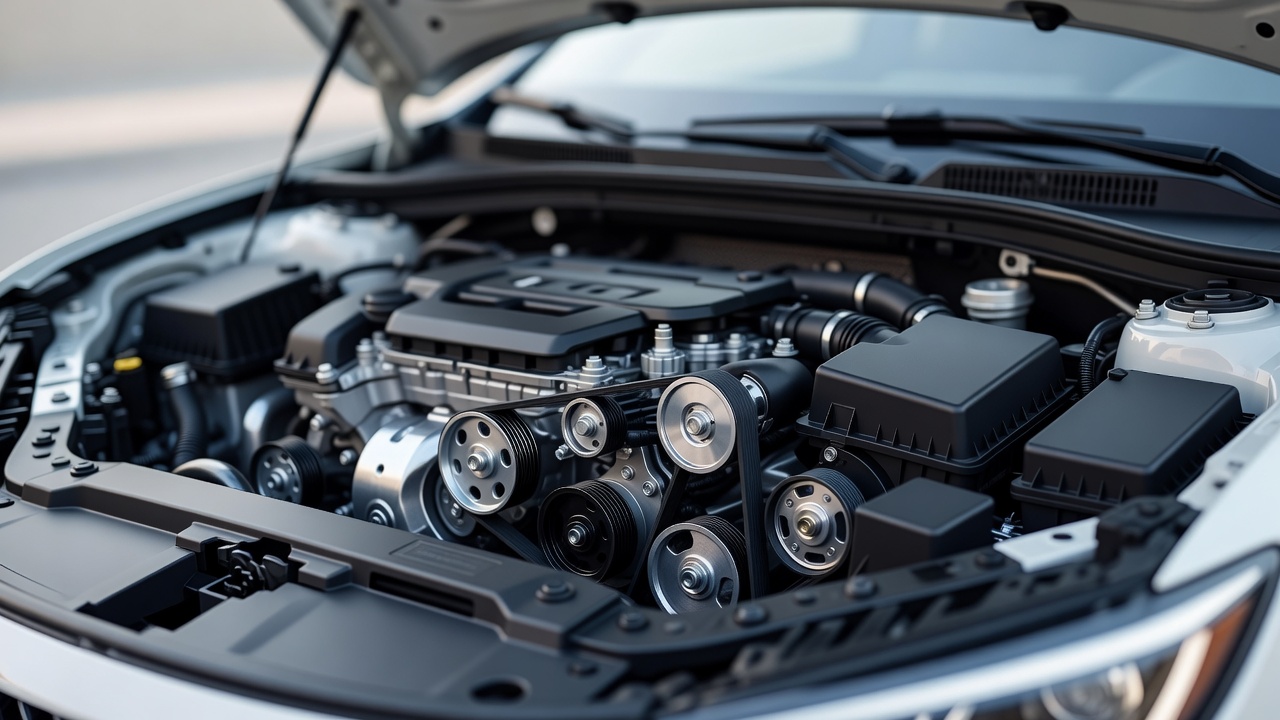
Ein Jaulen gehört zu den unangenehmsten Geräuschen, die man beschreiben soll, denn es ist nicht dramatisch und lässt sich nichts Bestimmtem zuordnen. Es ist einfach da und wird allmählich lauter.
Ein Jaulen im Motorraum grenzt sich mit einer Frage schnell ein: Womit steigt es? Mit der Drehzahl, mit der Geschwindigkeit oder mit dem Lenken. Diese drei führen in völlig verschiedene Richtungen, und Sie klären es auf einer kurzen Fahrt.
Der Test, der sie trennt
Auf einer ruhigen freien Strecke, Radio aus, Fenster einen Spalt offen.
- Auf das Tempo beschleunigen, bei dem Sie es deutlich hören.
- An sicherer Stelle den Gang herausnehmen und kurz rollen lassen. Bleibt das Geräusch gleich, hängt es an der Radgeschwindigkeit. Sinkt es mit der Drehzahl, hängt es am Motor.
- Im Stand bei laufendem Motor vorsichtig Gas geben. Steigt das Jaulen dabei, hängt es an der Drehzahl.
- Im Stand die Lenkung langsam von Anschlag zu Anschlag drehen. Tritt ein Jaulen auf oder wird lauter, ist es die Servolenkung.
- Notieren, ob sich etwas ändert, wenn Sie die Klimaanlage einschalten, weil das eines der riemengetriebenen Aggregate belastet.
Diese vier Minuten bringen mehr als jede Beschreibung hinterher und geben der Werkstatt einen echten Ausgangspunkt.
Wenn es mit der Drehzahl steigt
Dann geht es um etwas, das vom Keilrippenriemen an der Motorvorderseite angetrieben wird, oder um den Riemen selbst.
- Spannrolle oder Umlenkrolle, deren Lager verschleißen und jaulen. Häufig und meist günstig.
- Das Lichtmaschinenlager, oft irgendwann mit einer Warnleuchte.
- Die Wasserpumpe, wenn sie vom Keilrippenriemen angetrieben wird, gelegentlich mit einer Undichtigkeit.
- Der Klimakompressor, also das Aggregat, dessen Geräusch sich mit dem Einschalten der Klimaanlage ändert.
- Der Riemen selbst, verglast oder verschlissen, was eher quietscht als jault, aber beides kann.
Diese Dinge gehören angesehen statt ertragen. Ein festgehendes Rollenlager kann den Riemen abwerfen, und bei vielen Motoren treibt der Keilrippenriemen Lichtmaschine und Wasserpumpe an, sodass ein Riemenverlust einen schnell stehen lässt.
Wenn es mit dem Tempo steigt
Dann dreht es sich mit den Rädern oder im Antriebsstrang, und der Motor hat damit nichts zu tun.
Ein Radlager ist die häufigste Ursache und äußert sich meist eher als Brummen oder Dröhnen, das sich beim sanften Wechseln zwischen Links- und Rechtskurve verändert, weil das Kurvenfahren eine Seite stärker belastet. Auch Reifen erzeugen geschwindigkeitsabhängige Geräusche, besonders bei ungleichmäßigem Verschleiß, und gehören ausgeschlossen, bevor etwas ersetzt wird.
Ein Jaulen, das sich mit dem eingelegten Gang verändert statt nur mit dem Tempo, weist eher auf Getriebe oder Differenzial. Das ist ein anderes Gespräch, und dort zählt die Ölhistorie.
Wenn es beim Lenken auftritt
Bei einem Fahrzeug mit hydraulischer Servolenkung ist ein Jaulen, das beim Lenken ansteigt und bei vollem Einschlag am lautesten ist, die Servopumpe.
Zuerst gehört der Flüssigkeitsstand geprüft, denn ein niedriger Stand erzeugt genau dieses Geräusch und die Kontrolle dauert zwei Minuten. Ist er niedrig, verliert das System irgendwo, und Nachfüllen ohne die Ursache ist eine Übergangslösung. Sehen Sie nach feuchten Stellen an Pumpe, Leitungen und Lenkgetriebe.
Das Lenkrad länger am Anschlag zu halten sollte man ohnehin vermeiden. Es treibt die Pumpe gegen ihr Überdruckventil und ist eine echte Ursache für vorzeitigen Verschleiß, ganz abgesehen von dem Geräusch, das dabei entsteht.
Viele neuere Fahrzeuge haben eine elektromechanische Lenkung ohne Pumpe und ohne Flüssigkeit. Dort entfällt diese ganze Kategorie, und das Geräusch ist etwas anderes.
Die Variante beim Elektroauto
Das verdient eine Anmerkung, weil es unnötige Sorge auslöst. Elektroautos jaulen konstruktionsbedingt: Motor und Untersetzungsgetriebe erzeugen einen mit der Geschwindigkeit steigenden Ton, und manche Fahrzeuge fügen bei niedrigem Tempo bewusst ein Außengeräusch hinzu.
Das ist normal. Nicht normal ist eine Veränderung: ein neuer Ton, ein deutlich lauteres Jaulen im Motorraum, oder eines, das nur unter Last oder nur beim Rekuperieren auftritt. Die Bezugsgröße ist das, was Ihr Fahrzeug immer getan hat, und die Abweichung ist das, was etwas bedeutet.
Wenn Sie es aufnehmen wollen, halten Sie das Telefon bei geöffneter Motorhaube und laufendem Motor in etwa einem Meter Abstand, und nehmen Sie einmal im Leerlauf und einmal bei leicht erhöhter Drehzahl auf. Eine zweite Aufnahme während der Fahrt vom Beifahrersitz aus ergänzt das. Zwei kurze Aufnahmen mit einem Satz dazu, wann das Jaulen im Motorraum auftritt, sagen einer Werkstatt mehr als eine lange Beschreibung am Telefon.
Wie dringend ist es?
Die meisten Jaulgeräusche sind Verschleiß und kein Notfall, mit zwei Ausnahmen.
Alles am Riemen gehört zeitnah angesehen, weil ein Riemenverlust die Ladung und häufig die Kühlung mitnimmt. Ein Radlager, das vom leisen Summen zum deutlichen Dröhnen geworden ist, gehört ebenfalls gehandelt statt beobachtet, denn das Versagen am Ende ist nicht elegant.
Der Rest kann auf einen regulären Termin warten. Was nicht hilft, ist das Radio lauter zu drehen, denn ein Geräusch, das ein halbes Jahr ignoriert wird, kostet selten dasselbe wie eines, das nach zwei Wochen untersucht wurde.
Häufige Fragen
Was verursacht ein Jaulen im Motorraum?
Meist etwas, das vom Keilrippenriemen angetrieben wird: eine Spann- oder Umlenkrolle, die Lichtmaschine, die Wasserpumpe oder der Klimakompressor. Der entscheidende Test ist, ob das Geräusch im Stand mit der Drehzahl ansteigt.
Wie unterscheide ich Motor- von Radgeräusch?
Auf Tempo bringen, an sicherer Stelle den Gang herausnehmen und rollen lassen. Bleibt das Geräusch unverändert, hängt es an der Radgeschwindigkeit, also Reifen, Radlager oder Antrieb. Sinkt es mit der Drehzahl, kommt es vom Motor.
Warum jault es beim Lenken?
Bei hydraulischer Servolenkung meist die Pumpe, und zuerst gehört der Flüssigkeitsstand geprüft, weil ein niedriger Stand genau dieses Geräusch macht. Ist er niedrig, verliert das System irgendwo. Viele neuere Fahrzeuge haben elektromechanische Lenkung ohne Pumpe.
Wie dringend ist ein jaulendes Geräusch?
Alles am Riemen gehört zeitnah geprüft, weil ein Riemenverlust Ladung und oft Kühlung mitnimmt. Ein Radlager, das vom Summen zum Dröhnen geworden ist, ebenfalls. Der Rest kann auf einen regulären Termin warten.
Mein Elektroauto jault. Ist das normal?
Ja, konstruktionsbedingt. Motor und Untersetzungsgetriebe erzeugen einen mit der Geschwindigkeit steigenden Ton, und manche Fahrzeuge fügen bei niedrigem Tempo bewusst ein Außengeräusch hinzu. Bedeutsam ist eine Veränderung, nicht das Geräusch selbst.
Mehr lesen wie dies
Diagnose it
Auto riecht verbrannt: Was welcher Geruch bedeutet
Wenn das Auto verbrannt riecht, sagt die Art des Geruchs mehr als der Geruch selbst. Fünf Gerüche, fünf verschiedene Ursachen.
Diagnose it
Klimaanlage kühlt nicht mehr: Was das meistens heißt
Die Klimaanlage kühlt nicht plötzlich schlechter, sondern über Jahre. Wie sie nachlässt, verrät ziemlich zuverlässig die Ursache.
Diagnose it
Auto zieht nach rechts: Woran es meistens liegt
Wenn das Auto zieht, ist es selten die Lenkung. Reifendruck, Bremse und Spur erklären fast alle Fälle, und einer davon ist normal.
Brauchen Sie Reifen oder einen Service?
Suchen Sie nach Kennzeichen oder Reifengröße, vergleichen Sie Komplettpreise lokaler Spezialisten und buchen Sie zum festgelegten Preis.
Finden Sie Reifen