
maintenance
Courroie de distribution : quand la changer vraiment
La courroie de distribution est la pièce dont le remplacement coûte cher et dont la rupture coûte le moteur. Savoir quand la faire tient à deux chiffres.
9 lecture min
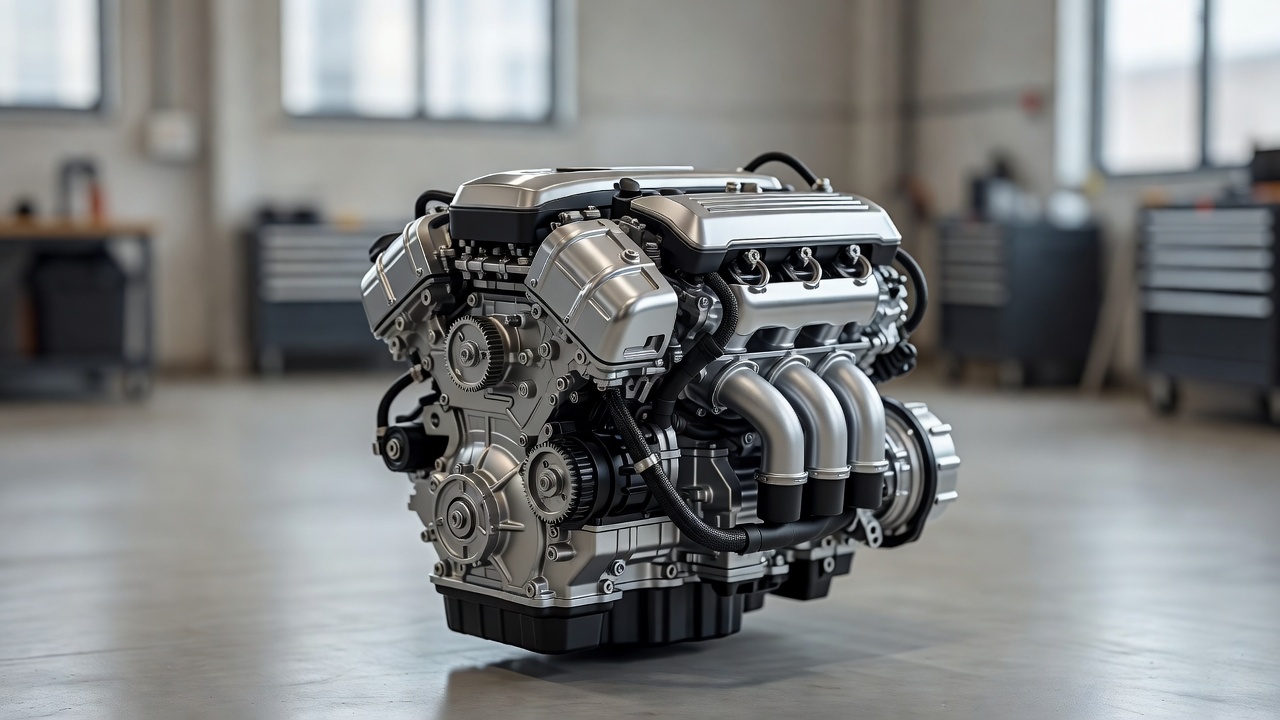
Peu de pièces produisent un écart aussi brutal entre le prix de l'entretien et le prix de l'oubli. Faire la courroie de distribution représente une facture désagréable mais prévue. Ne pas la faire peut coûter le moteur entier.
C'est aussi l'un des rares postes où la bonne décision se prend à froid, avec deux chiffres et le carnet d'entretien, sans avoir besoin d'entendre quoi que ce soit d'anormal.
Ce que fait cette courroie
La courroie de distribution synchronise le vilebrequin et l'arbre à cames, autrement dit elle fait en sorte que les soupapes s'ouvrent et se ferment au bon moment par rapport aux pistons.
Sur la grande majorité des moteurs modernes, dits à interférence, les soupapes et les pistons occupent le même espace à des instants différents. Tant que la synchronisation tient, tout se passe bien. Si la courroie casse, elle ne casse pas doucement : les pistons rencontrent des soupapes ouvertes, et les dégâts vont des soupapes tordues à la culasse à refaire.
C'est pour cette raison qu'aucun mécanicien sérieux ne conseille d'attendre un symptôme. Il n'y en a pas.
Deux chiffres, pas un
Le constructeur donne un intervalle en kilomètres et un intervalle en années, et c'est le premier des deux atteint qui compte. C'est là que se joue la plupart des mauvaises surprises.
- En kilométrage, on trouve couramment des valeurs allant de 100 000 à 180 000 kilomètres selon le moteur.
- En durée, on trouve couramment cinq à dix ans, indépendamment de la distance parcourue.
- Une voiture peu roulée atteint donc l'échéance par la date, pas par le compteur.
- Certains usages sévères, trajets courts répétés, remorquage, forte chaleur, raccourcissent l'intervalle recommandé.
Le caoutchouc vieillit sur un véhicule à l'arrêt exactement comme sur un véhicule qui roule. Une citadine de neuf ans avec 60 000 kilomètres est concernée, et c'est précisément le profil qui passe entre les mailles du filet parce que le compteur rassure.
Ce que l'on remplace en même temps
Ne faites jamais remplacer la courroie seule. La main d'œuvre représente l'essentiel de la facture, et elle est déjà payée une fois le moteur ouvert.
- Le kit complet : courroie, galet tendeur et galets enrouleurs. Un galet qui se grippe détruit une courroie neuve.
- La pompe à eau, lorsqu'elle est entraînée par la courroie de distribution, ce qui est très fréquent. Elle a une durée de vie comparable et son remplacement ultérieur signifierait tout redémonter.
- Le joint et le liquide de refroidissement si la pompe est déposée.
- Un contrôle des fuites de joints spi de vilebrequin et d'arbre à cames, car de l'huile sur une courroie neuve la ruine.
- La courroie d'accessoires, souvent proposée en même temps pour un supplément modeste.
Un devis qui ne mentionne que la courroie mérite une question. Ce n'est pas nécessairement de la mauvaise foi, mais la deuxième intervention coûtera presque autant que la première.
Chaîne de distribution : un cas différent
Certains moteurs utilisent une chaîne plutôt qu'une courroie. On lit souvent qu'une chaîne dure la vie du moteur, et c'est vrai en théorie plus qu'en pratique.
Une chaîne s'allonge avec l'usure, ses guides et son tendeur se fatiguent, et certains moteurs connus pour cela demandent une intervention bien avant la fin de vie du véhicule. Le signe typique est un cliquetis métallique au démarrage à froid, quelques secondes, qui disparaît ensuite.
Si vous entendez cela, faites-le examiner sans attendre. Contrairement à la courroie de distribution, la chaîne prévient, mais elle ne prévient pas longtemps.
Le coût, et la bonne comparaison
Le remplacement se situe le plus souvent dans les quelques centaines d'euros, davantage lorsque la pompe à eau est incluse ou que l'accès est difficile, certains moteurs transversaux demandant de déposer le support moteur.
La comparaison utile n'est pas entre deux garages, mais entre l'intervention et son absence. Une casse de distribution sur un moteur à interférence se chiffre couramment à plusieurs milliers d'euros, souvent au-delà de la valeur du véhicule, ce qui transforme une réparation en fin de vie.
Autrement dit, sur une voiture ancienne, la question n'est pas de savoir si la courroie de distribution est chère. C'est de savoir si le véhicule vaut encore la dépense, et c'est une décision à prendre avant l'échéance, pas après la casse.
Savoir si elle a déjà été faite
Trois sources, par ordre de fiabilité décroissante.
- Une facture nommant la pièce, la date et le kilométrage. C'est la seule preuve réelle.
- Une étiquette collée dans le compartiment moteur par l'atelier, avec date et kilométrage. Bon indice, facile à poser sans avoir fait le travail.
- Une mention dans le carnet d'entretien, sans facture associée. À traiter comme une affirmation, pas comme une preuve.
En l'absence de tout document sur un véhicule d'occasion qui a dépassé l'intervalle, la seule hypothèse prudente est qu'elle n'a pas été faite. Chiffrez l'intervention et déduisez-la du prix : c'est une négociation factuelle, pas une manœuvre.
Questions fréquentes
Tous les combien changer la courroie de distribution ?
Selon le moteur, couramment entre 100 000 et 180 000 kilomètres, ou cinq à dix ans, et c'est la première des deux échéances atteinte qui compte. Une voiture peu roulée arrive donc au terme par la date, pas par le compteur.
Quels sont les signes d'une courroie usée ?
Il n'y en a pas de fiables, et c'est précisément le problème. Elle ne prévient pas avant de casser, ce qui explique que l'intervention soit fixée par un intervalle et non par un symptôme. Attendre un bruit revient à attendre la casse.
Faut-il remplacer la pompe à eau en même temps ?
Oui lorsqu'elle est entraînée par la courroie, ce qui est très fréquent. Sa durée de vie est comparable et la main d'œuvre est déjà payée une fois le moteur ouvert. La remplacer plus tard imposerait de tout redémonter.
Que se passe-t-il si elle casse ?
Sur un moteur à interférence, qui est le cas de la grande majorité des moteurs modernes, les pistons rencontrent des soupapes ouvertes. Les dégâts vont des soupapes tordues à la culasse à refaire, pour un montant qui dépasse souvent la valeur du véhicule.
Comment savoir si elle a déjà été changée ?
Une facture nommant la pièce, la date et le kilométrage est la seule preuve. Une étiquette dans le compartiment moteur est un bon indice, une mention au carnet sans facture reste une affirmation. Sans document et au-delà de l'intervalle, supposez que ce n'est pas fait.
Lisez-en plus comme ceci
maintenance
Filtre à air et les trois autres : à quoi ils servent
Une voiture a quatre filtres et trois d'entre eux coûtent presque rien. Le quatrième est celui qu'on oublie et qui coûte cher.
maintenance
Liquide de refroidissement : lequel, et pourquoi
La couleur ne veut rien dire. Ce qui compte est la norme, et mélanger deux normes coûte plus cher qu'une vidange du circuit.
maintenance
AdBlue : à quoi ça sert et que faire s'il est vide
L'AdBlue n'est pas un additif et ce n'est pas optionnel. Quand le réservoir se vide, la voiture ne redémarrera plus, et c'est voulu.
Besoin de pneus ou d'un service ?
Recherchez par immatriculation ou taille, comparez les prix montés des spécialistes locaux, et réservez avec le prix verrouillé.
Trouvez des pneus