
Buying and selling
Voiture d'occasion : ce qu'il faut vérifier avant d'acheter
Une voiture d'occasion se juge autant sur ses papiers que sur sa carrosserie. La moitié des mauvaises surprises se voit avant d'ouvrir le capot.
10 min lezen
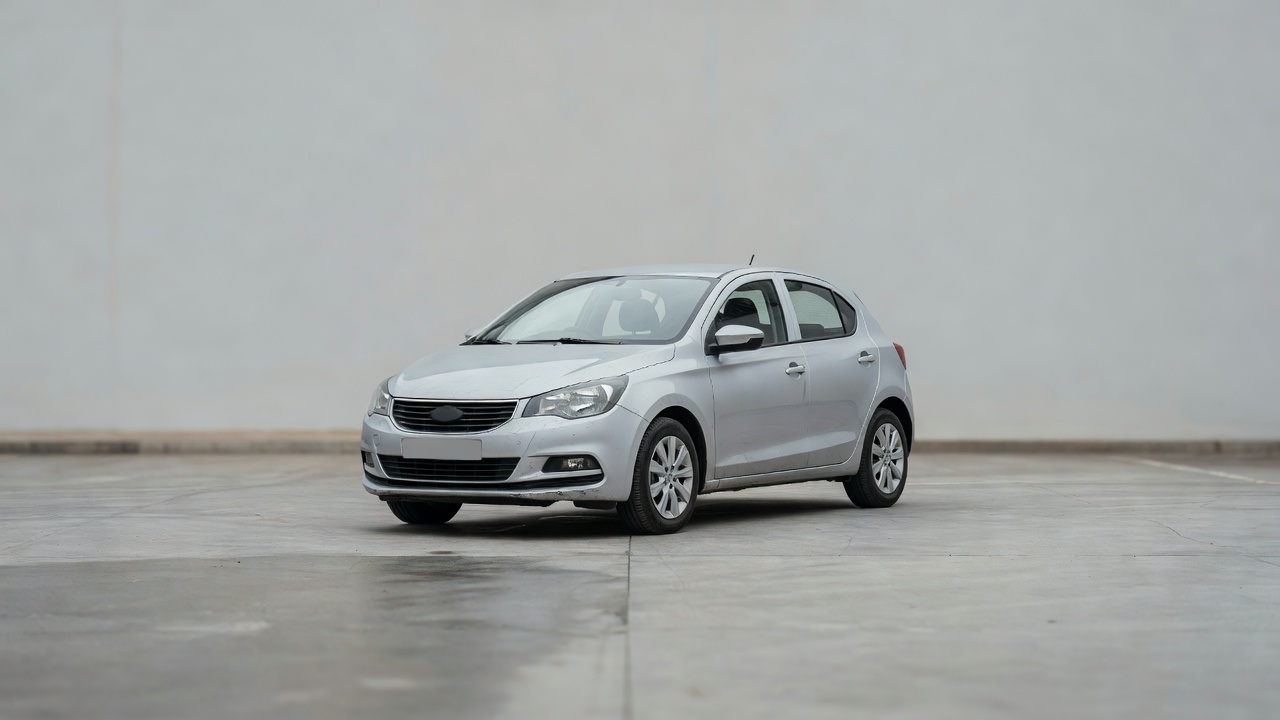
La plupart des acheteurs commencent par regarder la carrosserie et finissent par regarder les papiers, quand ils les regardent. L'ordre inverse fait gagner du temps et évite les déplacements inutiles.
Une voiture d'occasion se juge sur trois plans distincts : ce que disent ses documents, ce que montre son état, et ce que révèle un essai. Les trois se font en une heure, et chacun peut mettre fin à la visite tout seul.
Les documents, avant le capot
Trois pièces se demandent avant même de se déplacer, et un vendeur sérieux les fournit sans hésiter.
- Le certificat d'immatriculation, au nom du vendeur. Un nom différent doit s'expliquer immédiatement et clairement.
- Le certificat de situation administrative, souvent appelé non-gage, daté de moins de quinze jours. Il indique si le véhicule est gagé ou fait l'objet d'une opposition.
- Le procès-verbal du dernier contrôle technique, de moins de six mois pour une vente entre particuliers.
- Le rapport HistoVec, que le vendeur peut éditer gratuitement depuis son espace : il retrace les changements de propriétaire, les contrôles techniques et les éventuelles procédures pour véhicule endommagé.
Le dernier point est le plus utile et le moins demandé. Un vendeur qui refuse de fournir un HistoVec sans raison claire vous renseigne déjà, et cela ne lui coûte que quelques minutes.
Le contrôle technique, ce qu'il dit et ce qu'il tait
Le procès-verbal liste les défauts constatés, y compris les défauts mineurs qui n'imposent pas de contre-visite. Cette liste est une mine d'information, car elle est établie par quelqu'un qui n'a rien à vendre.
Lisez-la ligne par ligne et demandez ce qui a été corrigé, avec les factures correspondantes. Un contrôle passé la veille de la vente, avec une contre-visite levée le même jour, mérite qu'on demande ce qui a été fait.
En revanche il ne dit rien de l'état mécanique au sens large : ni l'usure de l'embrayage, ni la santé de la boîte, ni l'historique d'entretien. Il vérifie la conformité à un instant donné, pas la valeur d'un véhicule.
Les dix minutes autour de la voiture
Exigez un moteur froid à votre arrivée. Un moteur préchauffé masque les démarrages difficiles, les fumées et les bruits qui ne durent que les premières secondes, et c'est le premier réflexe d'un vendeur qui a quelque chose à cacher.
- Accroupissez-vous à hauteur d'aile et regardez le long de la carrosserie : les reflets révèlent les différences de teinte et les ondulations bien mieux qu'un regard de face.
- Vérifiez la régularité des jeux entre les ouvrants. Un capot ou une aile mal ajustés trahissent une réparation.
- Regardez les quatre pneus : marques identiques par essieu, usure régulière, et date sur le flanc.
- Ouvrez le bouchon d'huile et regardez sous le bouchon, puis contrôlez la jauge.
- Regardez sous la voiture avec une lampe, et sous le tapis du coffre, où la corrosion et les traces d'eau se voient en premier.
Le deuxième point est celui qui rapporte le plus par minute passée. Les jeux de carrosserie sortent d'usine avec une régularité qu'un atelier de réparation retrouve rarement parfaitement.
L'essai, et ce qu'il faut en faire
Un tour du pâté de maisons ne sert à rien. Comptez vingt minutes, avec de la ville, de la route et si possible un peu de voie rapide, et roulez vous-même plutôt que d'être passager.
Radio éteinte, fenêtres fermées puis ouvertes. Vous cherchez : un point dur ou un bruit dans la direction, un freinage qui tire d'un côté ou vibre, des passages de rapports francs, une boîte automatique qui ne cogne pas, un embrayage qui ne patine pas en montée à bas régime, et un tableau de bord sans témoin allumé une fois le moteur chaud.
Testez aussi la climatisation, même en hiver, et tous les équipements électriques un par un. Ce sont les postes que l'on découvre trois mois plus tard, quand la saison change.
Les points chers, selon la motorisation
Certaines échéances pèsent plus lourd que l'ensemble des petits défauts réunis, et se chiffrent avant la négociation, pas après.
- La courroie de distribution : faite ou non, avec facture. En son absence et au-delà de l'intervalle, considérez qu'elle est à faire.
- Sur un diesel récent, le filtre à particules et l'usage réel du véhicule. Un diesel de ville affiche souvent un historique de trajets courts.
- L'embrayage et, sur les moteurs concernés, le volant bi-masse, dont le remplacement est une intervention lourde.
- Une boîte automatique : demandez si sa vidange a été faite selon les préconisations, car beaucoup de propriétaires ignorent qu'elle en demande une.
- Sur un véhicule électrique, l'état de santé de la batterie, avec un certificat plutôt qu'une affirmation.
Une inspection indépendante avant achat coûte un petit montant à trois chiffres et se rentabilise dès qu'elle trouve un seul de ces postes. Sur un véhicule au-dessus de quelques milliers d'euros, c'est la dépense la plus rationnelle de tout l'achat.
Signer, et les jours qui suivent
Le vendeur remplit et signe la déclaration de cession, vous remet le certificat d'immatriculation barré avec la mention vendu le, la date et l'heure, ainsi que le certificat de situation administrative et le procès-verbal du contrôle technique.
De votre côté, la carte grise doit être faite à votre nom dans le mois qui suit, en ligne. Assurez le véhicule avant de prendre la route, pas le lendemain.
Conservez l'ensemble, y compris l'annonce d'origine. Une voiture d'occasion vendue entre particuliers l'est presque toujours avec exclusion de garantie, mais cette exclusion ne couvre ni un défaut sciemment dissimulé ni une qualité expressément annoncée, et l'annonce fait partie de ce qui a été annoncé.
Veelgestelde vragen
Quels documents exiger pour une voiture d'occasion ?
Le certificat d'immatriculation au nom du vendeur, un certificat de situation administrative de moins de quinze jours, le procès-verbal du dernier contrôle technique de moins de six mois entre particuliers, et idéalement le rapport HistoVec que le vendeur édite gratuitement.
Le contrôle technique suffit-il ?
Non. Il liste les défauts constatés à un instant donné, y compris mineurs, ce qui est précieux car établi par quelqu'un qui n'a rien à vendre. Mais il ne dit rien de l'embrayage, de la boîte ni de l'historique d'entretien.
Pourquoi exiger un moteur froid ?
Un moteur déjà chaud masque les démarrages difficiles, les fumées et les bruits qui ne durent que les premières secondes. Demander à arriver sur un moteur froid est le premier réflexe utile, et la réaction du vendeur est en soi une information.
Que vérifier en priorité sur la carrosserie ?
La régularité des jeux entre les ouvrants, qui trahit une réparation mieux que la peinture, et les reflets vus accroupi à hauteur d'aile, qui révèlent différences de teinte et ondulations. Puis le dessous du véhicule et sous le tapis de coffre.
Une inspection avant achat vaut-elle le coût ?
Sur un véhicule au-dessus de quelques milliers d'euros, oui. Elle coûte un petit montant à trois chiffres et se rentabilise dès qu'elle trouve une courroie de distribution non faite, un embrayage fatigué ou une boîte automatique jamais vidangée.
Lees meer zoals dit
Buying and selling
Pro ou particulier : ce que la garantie légale change
L'écart de prix entre un professionnel et un particulier a un nom juridique. Savoir lequel change la façon d'arbitrer.
Buying and selling
Carnet d'entretien : ce qu'il dit et ce qu'il tait
Un carnet d'entretien n'est pas un carnet de tampons, c'est un relevé. Ce qui manque y vaut souvent plus que ce qui s'y trouve.
Buying and selling
Car Depreciation Explained: The Cost Nobody Sends You a Bill For
Car depreciation is usually the largest cost of ownership and the least visible. Here is how it behaves, what accelerates it, and how to lose less to it.
Heeft u banden of een service nodig?
Zoek op nummerplaat of maat, vergelijk de prijzen van lokale specialisten, en boek met de prijs vastgelegd.
Vind banden