
Diagnose it
Why Are My Brakes Squealing? When It Matters and When It Does Not
Why are my brakes squealing has more than one answer, and some of them are harmless. Here is how to tell a cold morning from a wear indicator from something worth stopping for.
6 lectura mínima
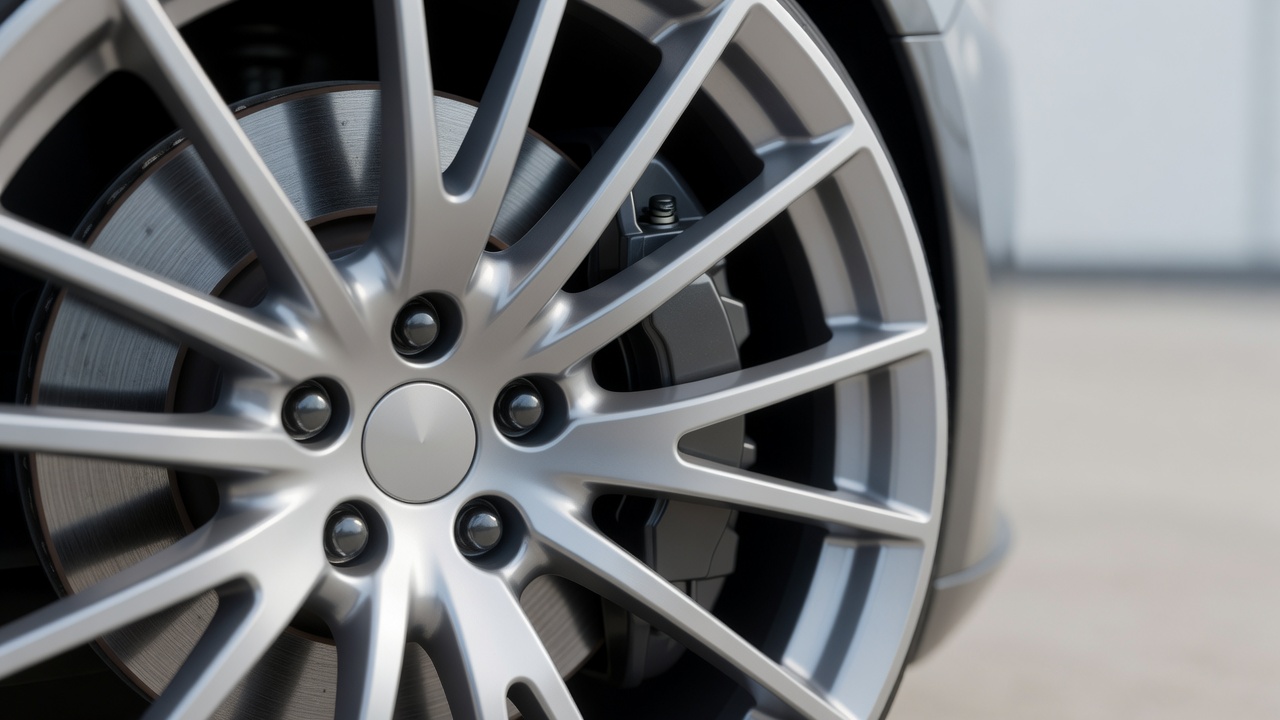
Brakes make noise. Some of it means nothing at all, some of it is the car telling you something on purpose, and one particular sound means the cheap repair has already passed. Knowing which is which saves both unnecessary worry and unnecessary money.
If you are wondering why are my brakes squealing, start with when it happens, because the timing narrows it down more than the sound itself does.
The squeal that disappears after a few stops
A squeal on the first braking of the day, particularly after rain or a cold damp night, is usually nothing. A thin film of surface rust forms on the discs overnight, and the first few applications scrub it off. The noise goes with it.
The same thing happens after a car wash, or after a car has sat unused for a week. If the noise is gone by the end of the road and does not come back until the next cold morning, that is the explanation and no action is needed.
The squeal that is there all the time
A persistent high-pitched squeal, particularly under light braking, is often the wear indicator doing exactly what it was designed to do.
Most brake pads have a small metal tab set at a depth that reaches the disc when the friction material is nearly used up. When it makes contact it produces a deliberate, unmistakable squeal. It is not a fault; it is a countdown. Pads at that point still work, but they are near the end and are worth booking in rather than ignoring.
Not every squeal is the indicator, though. Brake dust and grit trapped between pad and disc will squeal, so will glazed pads that have been overheated, and so will some pad compounds simply because of the way they vibrate. A garage can usually tell which within a couple of minutes of taking a wheel off, and looking is the only way to be certain.
The sound that means stop making excuses
A harsh grinding or a metallic scraping is different from a squeal, and it should be treated differently.
Grinding usually means the friction material is gone and metal is contacting metal. At that point the pad backing plate is cutting into the disc, which turns a pad replacement into a pad and disc replacement, and it reduces how well the car stops. It also gets worse quickly.
If the noise is a grind rather than a squeal, or if it comes with a longer pedal, a pedal that feels different, a warning light, or the car pulling under braking, that is not a monitor-it situation. Get it looked at before further driving.
Noises that are not the pads at all
A few other things make brake-shaped noises and are worth knowing so you do not pay for the wrong job.
- A small stone caught between the disc and the dust shield, which makes a persistent scrape that often changes as you brake and can sometimes be freed by reversing a few metres.
- A seized or sticking caliper slider, which drags a pad against the disc constantly. That usually brings heat, sometimes a smell, and often a pull to one side.
- A rusted or bent backing plate touching the disc, common on older cars, and usually a quick fix.
- Worn anti-rattle shims or missing pad clips, which let the pad vibrate at exactly the frequency your ears object to.
None of these are diagnoses you should settle on from the driver's seat. They are reasons to describe the noise accurately rather than just saying the brakes are squealing.
Why new brakes sometimes squeal too
It surprises people, but a squeal after new pads is fairly common and does not automatically mean something is wrong.
New pads need bedding in, which is a process of transferring an even layer of friction material onto the disc through a series of moderate stops. Until that layer is even, the pads can be noisy. Fitting new pads onto old, ridged discs also tends to squeal, because the contact is uneven from the start.
Some harder pad compounds are simply noisier by nature, which is a trade-off for better performance when hot. If new brakes squeal persistently after a couple of hundred miles of normal driving, it is worth going back to whoever fitted them rather than living with it.
What a brake job should actually cover
Knowing what goes into the work makes a quote easier to read and a cheap one easier to question.
Replacing pads is not just swapping the friction material. A proper job cleans and lubricates the caliper slide pins, because a seized slider is what causes uneven wear and dragging in the first place. It checks the caliper piston retracts freely. It fits new anti-rattle shims or clips where they are part of the kit, since worn ones are a common source of noise. And it measures the discs against the minimum thickness stamped on them, rather than eyeballing whether they look alright.
Brakes are also replaced in axle pairs, both sides at once, for the same reason tyres are: uneven braking left to right is worse than worn braking on both sides.
If a quote is notably cheaper than others, it is fair to ask which of those steps it includes. Sometimes the answer is a good one. Sometimes it is that the pads are going straight onto discs that should have been replaced.
What actually helps
There is no useful home remedy for squealing brakes, and it is worth saying that plainly because plenty of things get suggested. Sprays and additives do not fix worn pads, glazed friction material or a sticking caliper.
What does help is describing the symptom properly when you book it in. Note whether it squeals cold or all the time, whether it happens under light braking or hard, whether the pedal feels normal, whether the car pulls, and whether anything changed recently such as new pads or a long period parked up.
Brakes are the one system where the honest advice is to get it looked at sooner rather than later. This guide explains what the common noises usually mean; it is not a substitute for someone taking the wheel off and measuring what is left.
Preguntas frecuentes
Are squealing brakes dangerous?
It depends on the cause. A squeal only on the first cold stop of the day is almost always harmless surface rust. A constant squeal may be the wear indicator, meaning the pads are near the end but still working. A grinding noise is different: that usually means the friction material is gone, and it needs attention before more driving.
How long do brake pads normally last?
There is no single figure, because it depends far more on how and where you drive than on mileage. Town driving with frequent stops wears pads faster than motorway miles. Rather than guessing, have them measured at each service; a garage can tell you how much material is left and roughly how long that gives you.
Can I just replace the pads and not the discs?
Sometimes, if the discs are still within their minimum thickness and are not scored or warped. If the discs are worn, ridged or damaged, fitting new pads to them gives poor contact and often noise. A garage measures the discs to tell you, which is why the answer cannot be given in advance.
Why do my brakes only squeal in reverse?
It is more common than people expect. Pads can sit at a slightly different angle in the caliper when the disc turns the other way, which changes how they vibrate. On its own, with no other symptom, it is usually harmless, though it is worth mentioning at your next service.
Lee más como esto
Diagnose it
Burning Smell From Car? What Each One Usually Means
A burning smell from car vents or under the bonnet has a handful of likely causes, and they are not equally urgent. Here is how to tell which one you probably have.
Diagnose it
Car Air Conditioning Not Cold? What That Usually Means
Car air conditioning not cold any more? It rarely breaks suddenly. It fades, and the way it fades tells you whether this is a refrigerant job or something else.
Diagnose it
Car Pulls to One Side? Work Through It in This Order
When a car pulls to one side the causes run cheap to expensive in a predictable order. Here is how to work through them without paying for the wrong one.
¿Necesitas neumáticos o un servicio?
Busca por matrícula o tamaño, compara precios de instalación de especialistas locales, y reserva con el precio bloqueado.
Encuentra neumáticos