
maintenance
Batterie de voiture : combien de temps elle tient
Une batterie de voiture ne meurt presque jamais de froid. Elle meurt en été et le froid se contente de le révéler.
9 min lezen
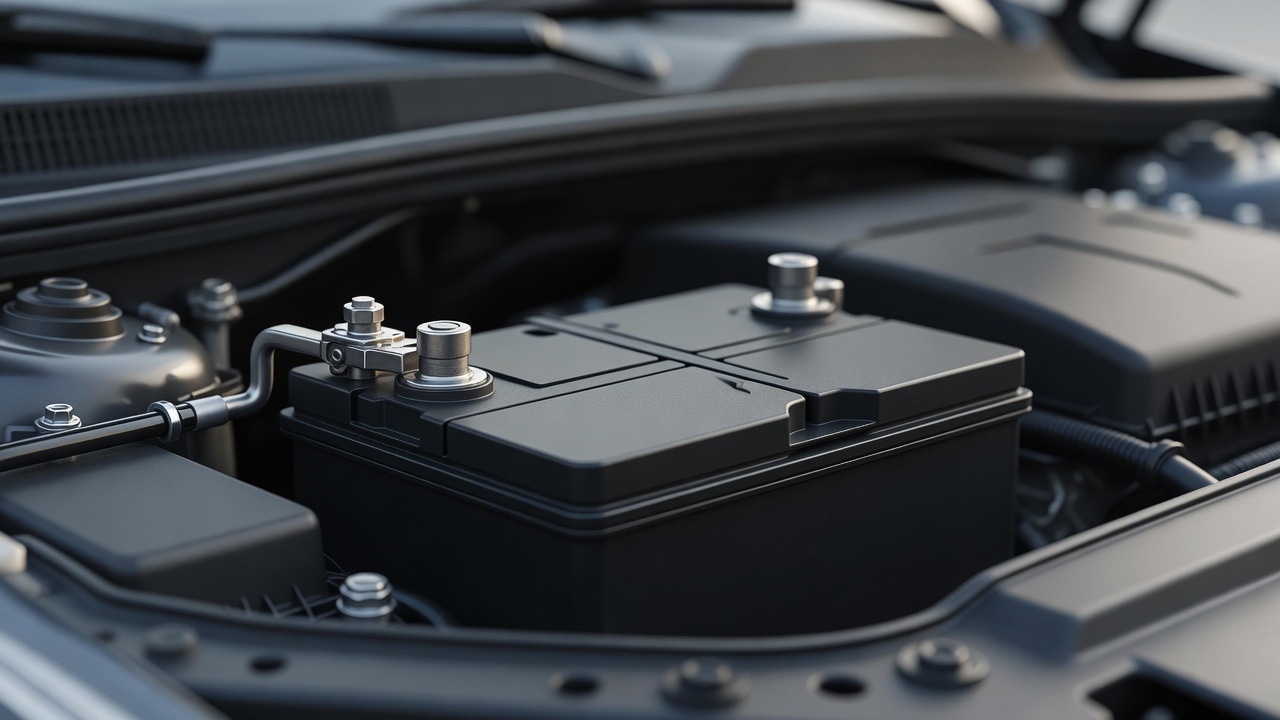
C'est la panne la plus banale et la plus mal comprise. Elle arrive un matin de décembre, sur un parking, et tout le monde accuse le froid.
Le froid est rarement la cause. Une batterie de voiture s'use surtout pendant les mois chauds, et l'hiver ne fait que révéler un état déjà dégradé au moment précis où on lui en demande le plus.
La durée de vie réelle
Quatre à six ans est la fourchette habituelle, avec des écarts considérables selon l'usage. Certaines tiennent huit ans, d'autres rendent l'âme à trois.
Ce qui fait la différence n'est pas la marque autant qu'on le croit, mais la manière dont la batterie a vécu : la chaleur, la profondeur des décharges subies, et le fait d'avoir été rechargée complètement ou seulement en partie.
La chaleur est le facteur dominant. Elle accélère la corrosion interne des plaques et l'évaporation de l'électrolyte, et ces dégâts sont irréversibles. Un été caniculaire coûte plus de durée de vie qu'un hiver rigoureux.
Pourquoi elle lâche au premier froid
Deux effets se conjuguent, et aucun des deux n'a abîmé quoi que ce soit sur le moment.
D'abord la capacité disponible chute avec la température : les réactions chimiques ralentissent, et une batterie donne nettement moins de courant à moins cinq degrés qu'à vingt. Ensuite le moteur devient plus difficile à lancer, car l'huile est plus visqueuse et le démarreur demande davantage.
Une batterie de voiture déjà fatiguée passe l'été sans se faire remarquer, parce que la demande est faible et la capacité élevée. Le premier matin froid inverse les deux et la panne apparaît, avec plusieurs mois de retard sur sa cause.
Les trajets courts, l'autre usure
Démarrer consomme beaucoup, et l'alternateur a besoin de temps pour restituer cette énergie. Un trajet de dix minutes ne recharge pas ce qu'un démarrage a pris, surtout avec chauffage, dégivrage, phares et sièges chauffants en même temps.
Enchaînez ces trajets pendant des semaines et la batterie fonctionne en permanence en dessous de sa pleine charge, ce qui provoque une sulfatation des plaques et réduit définitivement sa capacité.
Le remède est simple et gratuit : un trajet d'une trentaine de minutes de temps en temps. Pour un véhicule qui roule peu, un chargeur de maintien branché une nuit par mois fait le même travail et prolonge sensiblement la vie de la batterie.
Les signes avant la panne
Elle prévient presque toujours, pendant des semaines, et personne n'écoute.
- Un démarrage plus lent, surtout le matin. C'est le signe le plus fiable et le plus ignoré.
- Des phares qui faiblissent au ralenti puis se raffermissent à l'accélération.
- Sur un véhicule qui en est équipé, la fonction stop and start qui cesse de fonctionner : c'est souvent le tout premier symptôme, car le système la désactive dès que la charge est insuffisante.
- Des équipements électroniques capricieux sans raison apparente.
- Un boîtier déformé ou gonflé, une odeur d'œuf, une cosse couverte de dépôt blanc ou bleuâtre.
Le troisième point est particulièrement utile car il est objectif : si votre stop and start fonctionnait et ne fonctionne plus, faites tester la batterie avant d'en chercher la cause ailleurs.
Start and stop : deux pièges
Les véhicules équipés utilisent des batteries de technologie différente, AGM ou EFB, conçues pour supporter des cycles bien plus nombreux. Elles coûtent plus cher, et il n'est pas possible de les remplacer par une batterie ordinaire sans réduire fortement la durée de vie du remplacement.
Second piège, moins connu : sur beaucoup de ces véhicules, la nouvelle batterie doit être déclarée au calculateur de gestion de l'énergie. Sans cette déclaration, la voiture continue de la charger selon le profil de vieillissement de l'ancienne, et la neuve s'use prématurément.
Posez la question avant l'intervention plutôt qu'après. Elle prend deux minutes à un professionnel équipé et évite de payer deux batteries en trois ans.
Tester plutôt que deviner
Un test de batterie prend quelques minutes et beaucoup d'ateliers le pratiquent gratuitement. Il mesure la capacité à délivrer du courant, pas seulement la tension au repos, ce qui est la différence entre un diagnostic et une impression.
Faites tester en même temps la charge fournie par l'alternateur. Une batterie qui se décharge alors qu'elle est neuve indique souvent un alternateur fatigué ou une consommation résiduelle anormale, et remplacer la batterie seule reviendrait à traiter le symptôme.
Redémarrer sans faire de dégâts
Avec des câbles, l'ordre compte : le rouge sur le plus des deux batteries, le noir sur le moins de la batterie chargée, puis l'autre extrémité du noir sur une masse métallique du véhicule en panne, à distance de la batterie, et jamais directement sur sa borne négative.
Une fois reparti, roulez au moins une demi-heure, et faites tester ensuite. Un démarrage assisté remet la voiture en route, il ne dit rien de l'état de la batterie de voiture qui vient de vous laisser sur place.
Veelgestelde vragen
Combien de temps dure une batterie de voiture ?
Quatre à six ans en général, avec de gros écarts selon l'usage. Ce n'est pas tant la marque qui décide que la chaleur subie, la profondeur des décharges et le fait d'avoir été rechargée complètement plutôt qu'en partie.
Pourquoi tombe-t-elle en panne l'hiver ?
Parce que le froid révèle une usure survenue l'été. La capacité chute quand la température baisse et le moteur devient plus dur à lancer avec une huile plus visqueuse. La cause, elle, est la chaleur des mois précédents.
Quels sont les signes annonciateurs ?
Un démarrage plus lent le matin, des phares qui faiblissent au ralenti, et surtout la fonction stop and start qui cesse de fonctionner, car le système la désactive dès que la charge est insuffisante. C'est souvent le tout premier symptôme.
Peut-on mettre une batterie ordinaire sur un véhicule start and stop ?
Ce n'est pas conseillé. Ces véhicules utilisent des batteries AGM ou EFB conçues pour un nombre de cycles bien supérieur. Une batterie ordinaire fonctionnera un temps puis s'usera très vite, ce qui annule l'économie réalisée.
Faut-il déclarer une batterie neuve à la voiture ?
Sur beaucoup de véhicules récents, oui. Sans cette déclaration au calculateur de gestion de l'énergie, la voiture continue de charger selon le profil de vieillissement de l'ancienne batterie et la neuve s'use prématurément.
Lees meer zoals dit
maintenance
Filtre à air et les trois autres : à quoi ils servent
Une voiture a quatre filtres et trois d'entre eux coûtent presque rien. Le quatrième est celui qu'on oublie et qui coûte cher.
maintenance
Liquide de refroidissement : lequel, et pourquoi
La couleur ne veut rien dire. Ce qui compte est la norme, et mélanger deux normes coûte plus cher qu'une vidange du circuit.
maintenance
AdBlue : à quoi ça sert et que faire s'il est vide
L'AdBlue n'est pas un additif et ce n'est pas optionnel. Quand le réservoir se vide, la voiture ne redémarrera plus, et c'est voulu.
Heeft u banden of een service nodig?
Zoek op nummerplaat of maat, vergelijk de prijzen van lokale specialisten, en boek met de prijs vastgelegd.
Vind banden